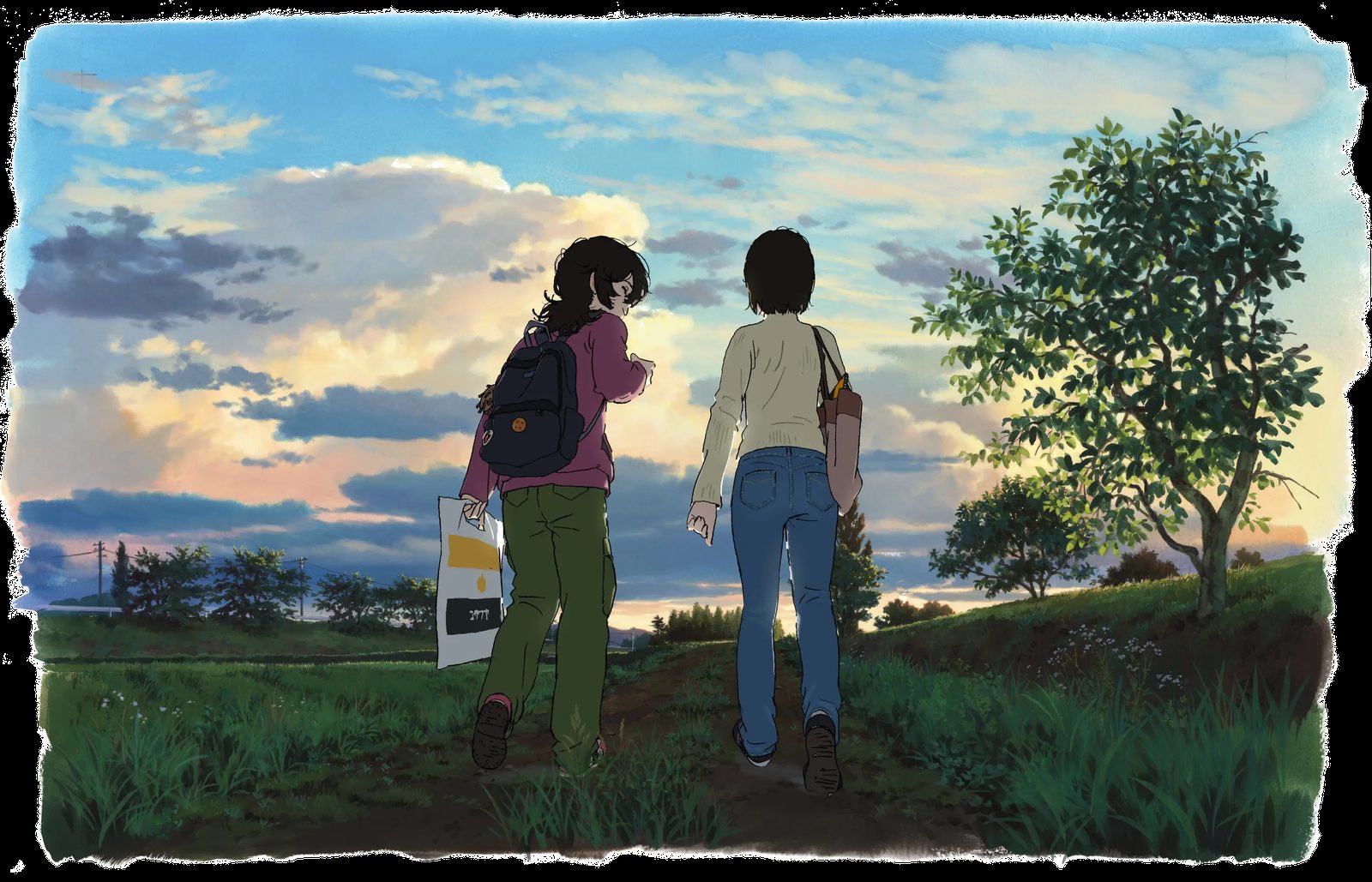
Azabudai Hills Gallery in Minato-ku is showing the production materials behind the Look Back anime film. The exhibition was organized by director Kiyotaka Oshiyama himself — not as a promotional event, but as an attempt to make visible what the finished film compresses: the hand, the hesitation, and the physical labor of drawing.
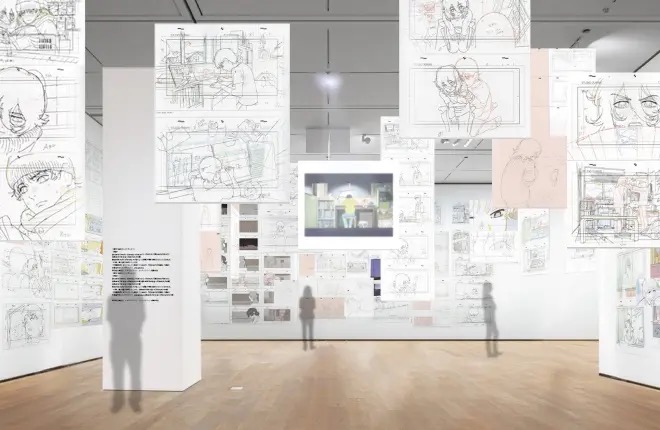 The 作画トンネル (animation tunnel) — hundreds of original drawings suspended throughout the gallery space, January 2026
Trace, Not Display
Oshiyama approaches the exhibition as evidence rather than showcase. The centerpiece is a 作画トンネル — an animation tunnel where hundreds of original key animation drawings hang from the ceiling and walls at varying heights and angles. Visitors walk through the drawings rather than past them. Production memos, character design sheets, and setting documents are displayed alongside the director's own handwritten commentary explaining decisions that the finished film absorbs and conceals. The structure foregrounds process over result — what was tried, what was discarded, where the pencil pressed harder.
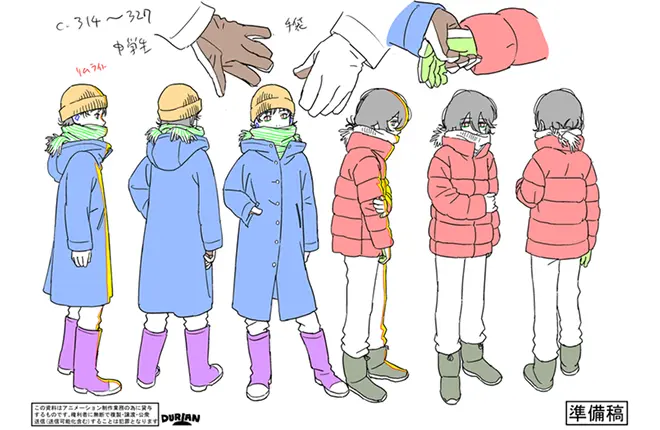
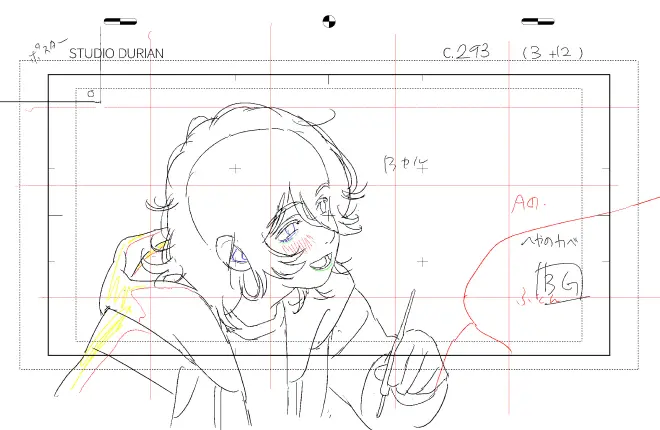
The key animation frames — drawn by a core team of eight animators rather than the thirty to forty typical for theatrical production — carry the particular density of a small crew working at sustained intensity. Oshiyama himself animated over 350 of the film's approximately 700 cuts. At exhibition scale, the colored timing marks, registration crosses, and handwritten cut numbers on each sheet become legible as labor. The line weight variations that control how a movement feels rather than merely how it looks are visible in a way that screening cannot reproduce.
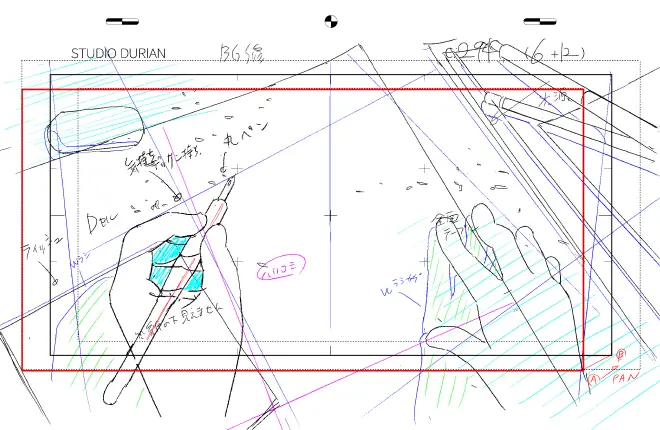 Cut layout for the drawing sequence — first-person perspective, Studio Durian production paper with timing annotations in red and blue
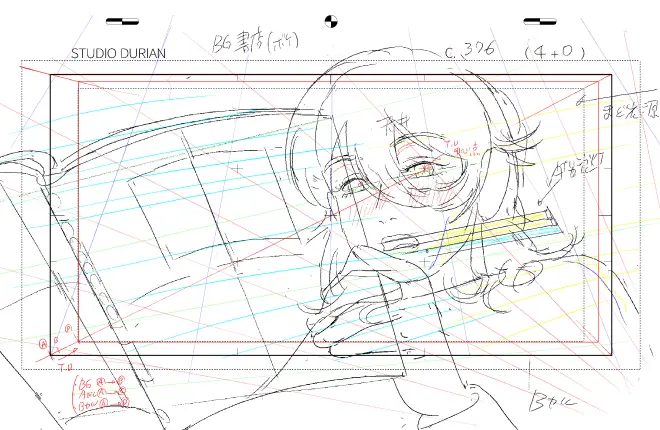 C.396 — Fujino drawing at her desk, the emotional weight carried entirely by posture and line pressure
“描くとは、思考の累積であり、身体そのものの表現です。その線には‘描いた人’のすべてが宿ります。見てほしいのは工業製品のような完成度ではなく、人の手仕事による‘息づかい’です。”
Drawing is the accumulation of thought and a direct expression of the body. Everything about the artist dwells in those lines. What I want viewers to see is not industrial perfection, but the breathing of handmade work.
— Kiyotaka Oshiyama
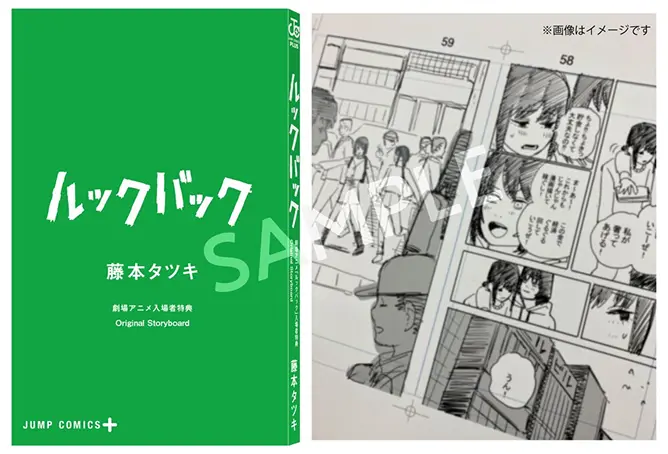 Fujimoto's original ネーム (names) for Look Back — the theatrical screening gift booklet, now displayed publicly for the first time in Japan
Fujimoto's original names — the rough storyboards created before the finished manga manuscript — are on public display for the first time. Previously available only as a limited theatrical screening gift, the names represent the thinking-out-loud stage: panel layouts uncommitted, character blocking provisional, pacing decisions made with a pencil that hasn't resolved. For a story about the compulsion to draw, the exhibition of its roughest working documents creates a recursive encounter — the unfinished drawings behind a finished work about unfinished drawings.
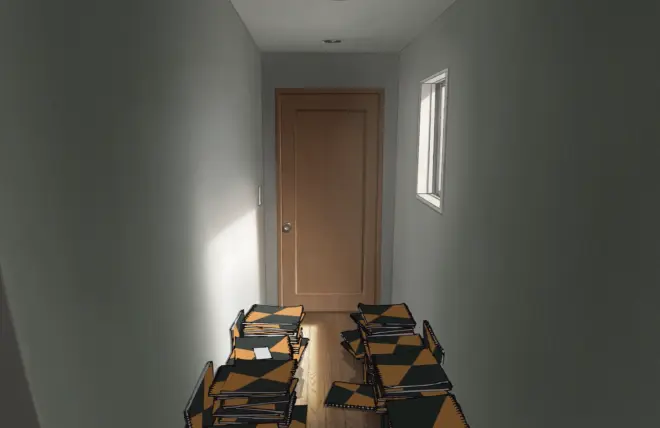 The recreated corridor — stacked sketchbooks leading to Kyomoto's door, production architecture made physical
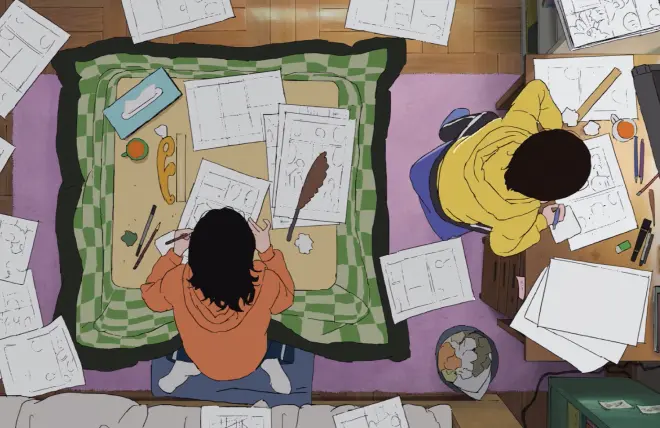 Fujino and Kyomoto drawing together in Fujino's room — the scene the exhibition's photo areas reconstruct at life scale
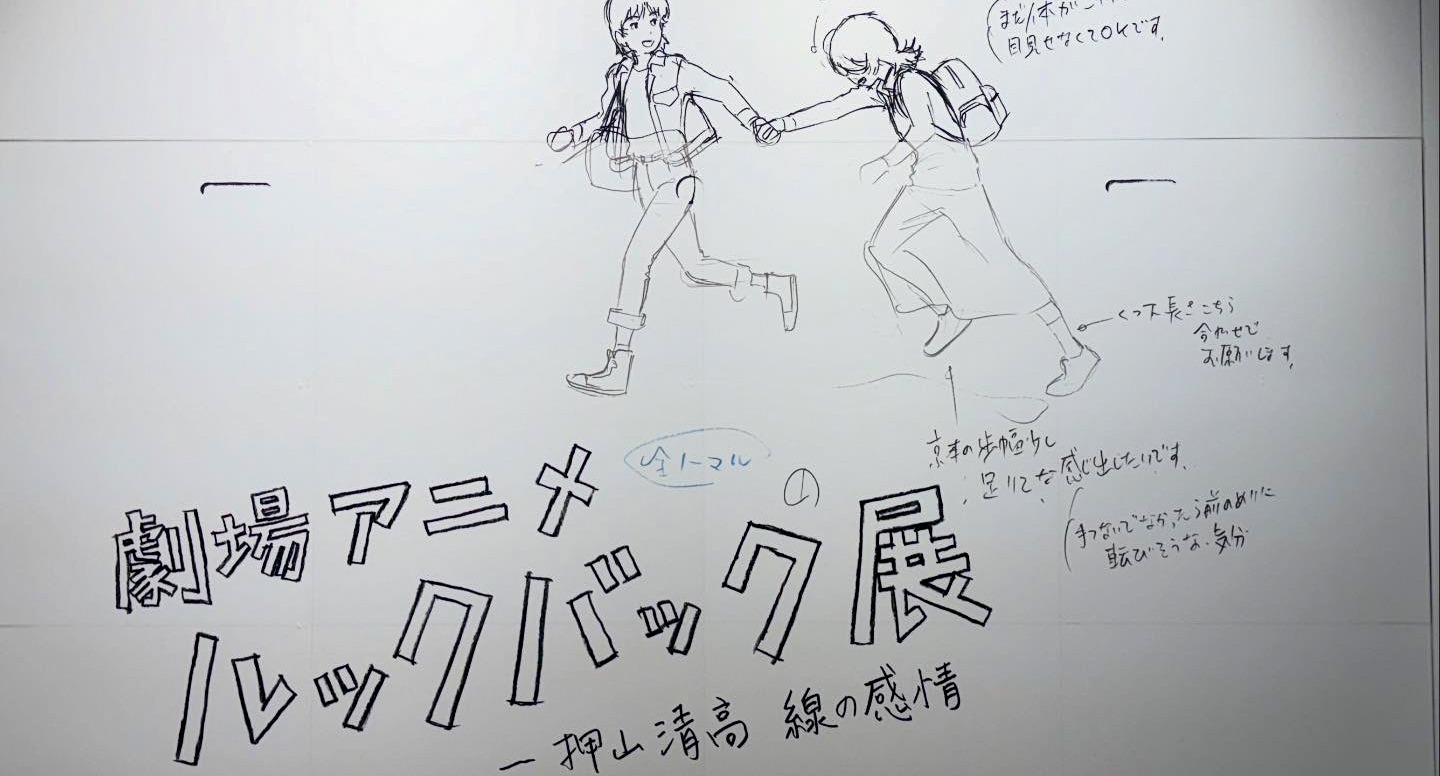 Oshiyama's wall drawing at the venue entrance — Fujino and Kyomoto running, with handwritten animation notes: 京本の歩幅ちいさく、足にそんな感じ出ています (Kyomoto's stride is small, that feeling shows in her feet)
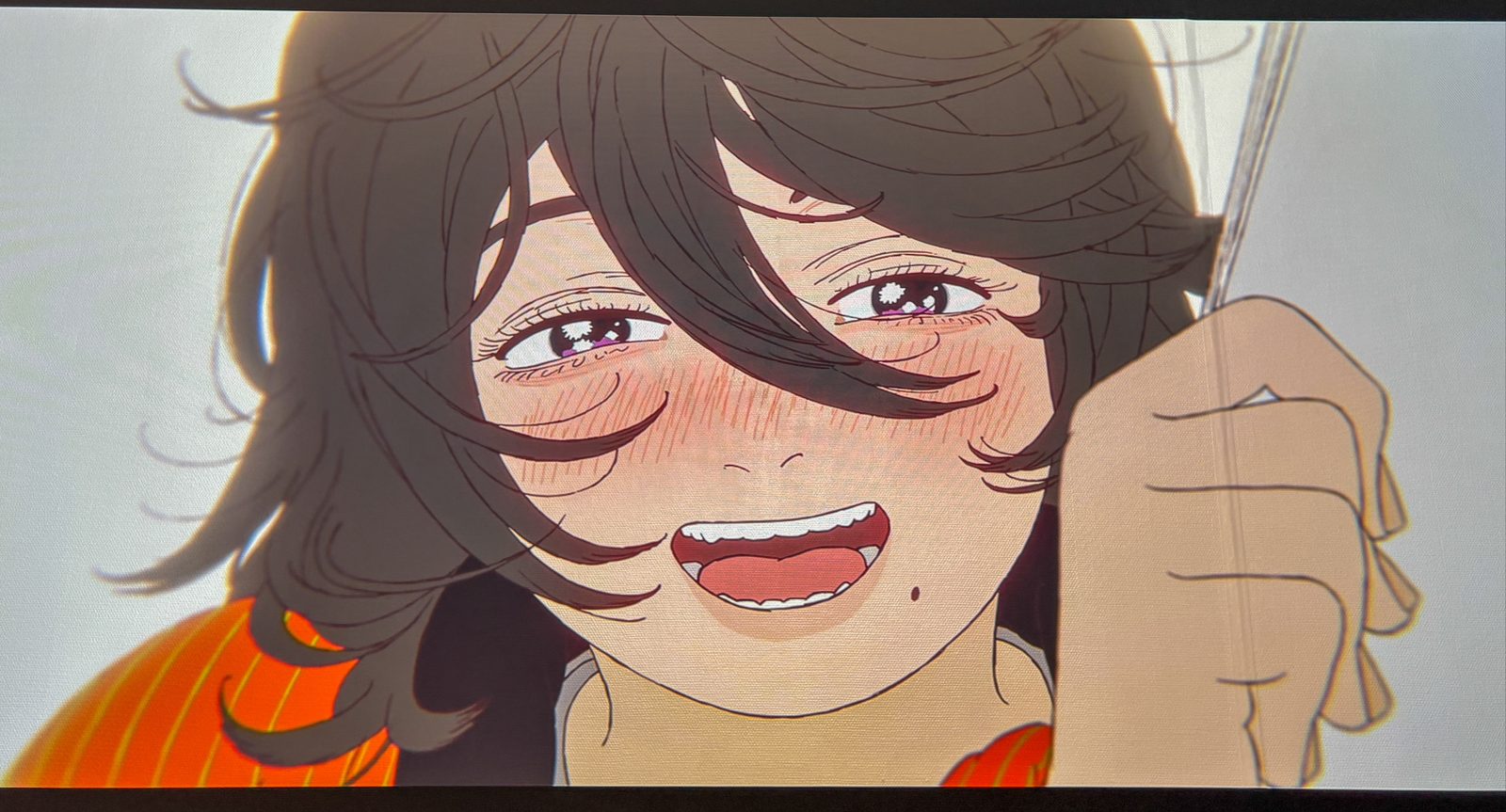 Fujino on the gallery's video display — the entry sequence where visitors first encounter the film's raw line quality at exhibition scale
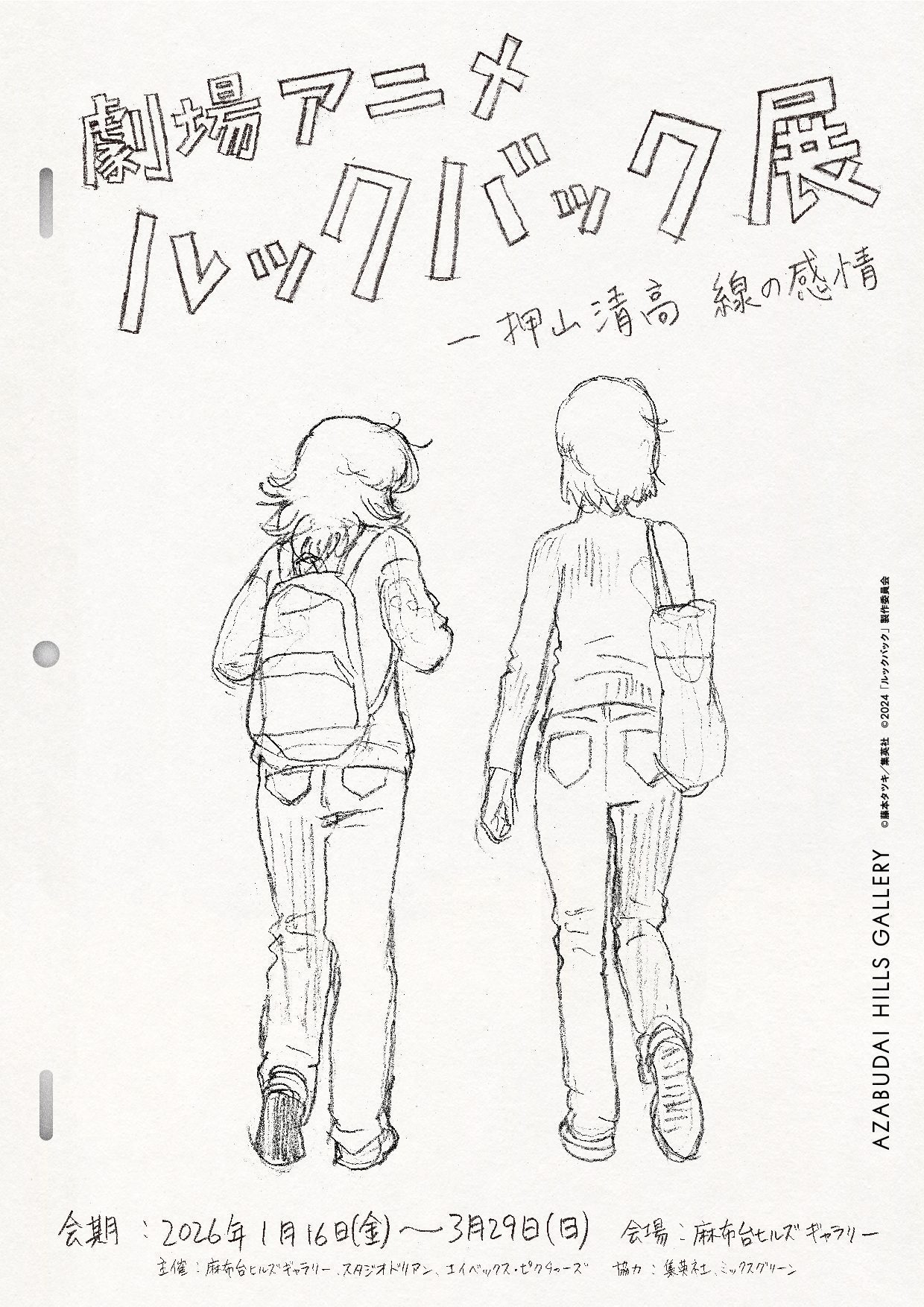 Exhibition main visual — Oshiyama's pencil sketch drawn in the register of unfinished production art rather than promotional illustration
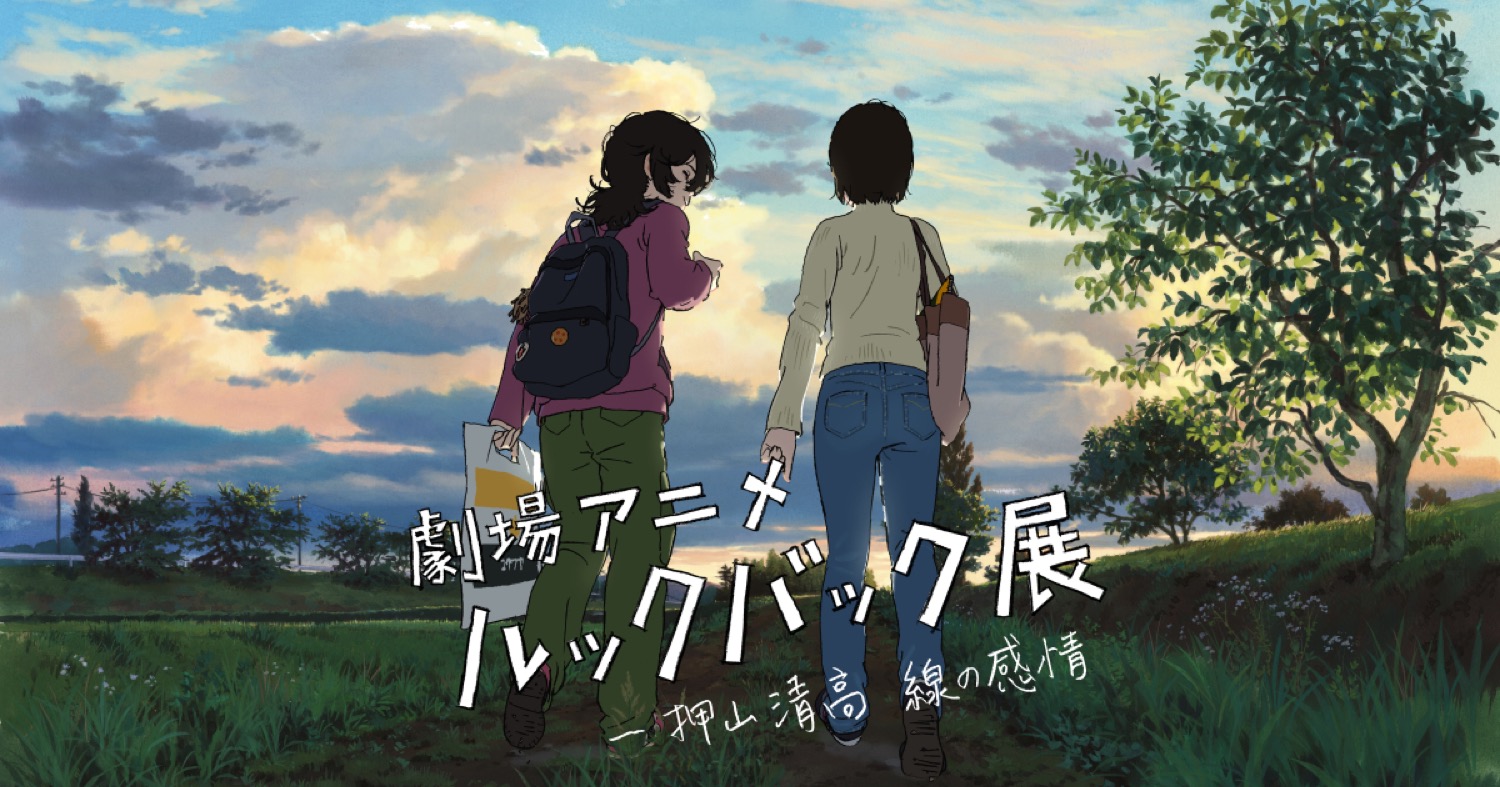 The second key visual — the sunset walk rendered in the film's finished palette, the exhibition title hand-lettered over the image
The exhibition exists in the space between a production archive and an argument. Oshiyama frames drawing as bodily evidence — accumulated thought made legible through line pressure, spacing, and the imperfections that survive when a small team works without the smoothing effect of scale. The show leaves its strongest claim unstated: that the hand is not a limitation to be optimized away, but the thing that makes the work worth encountering at all.
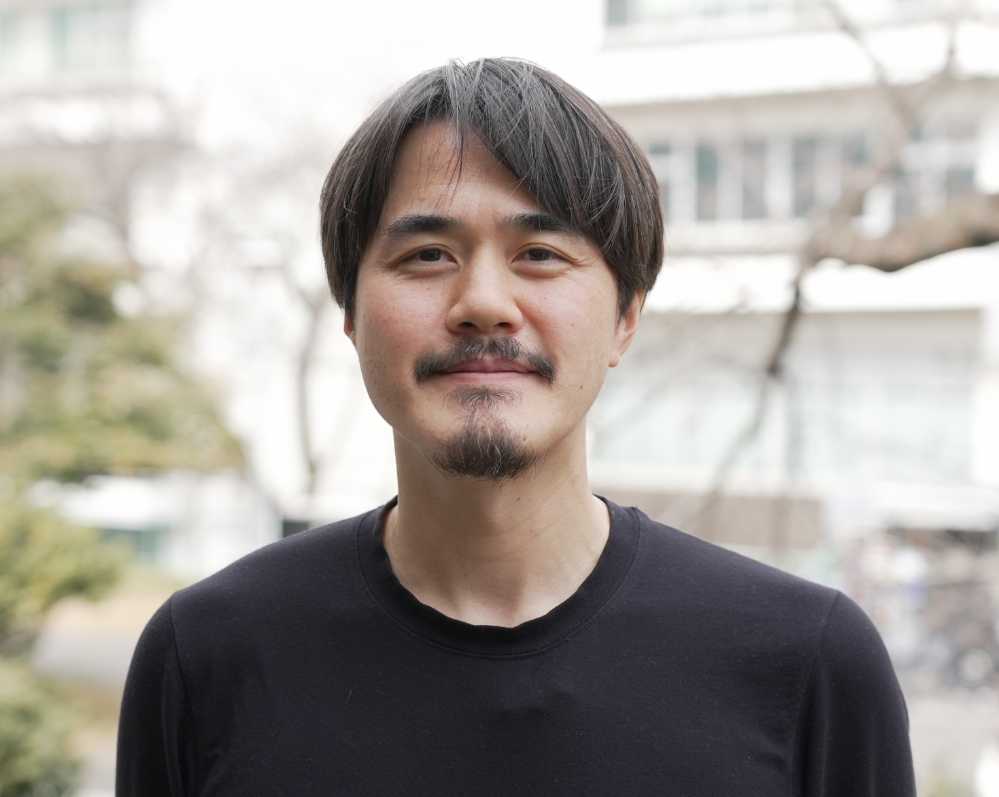 Director Kiyotaka Oshiyama — animator's animator, founded Studio Durian in 2017 after key animation work on Dennou Coil, Arrietty, and The Wind Rises
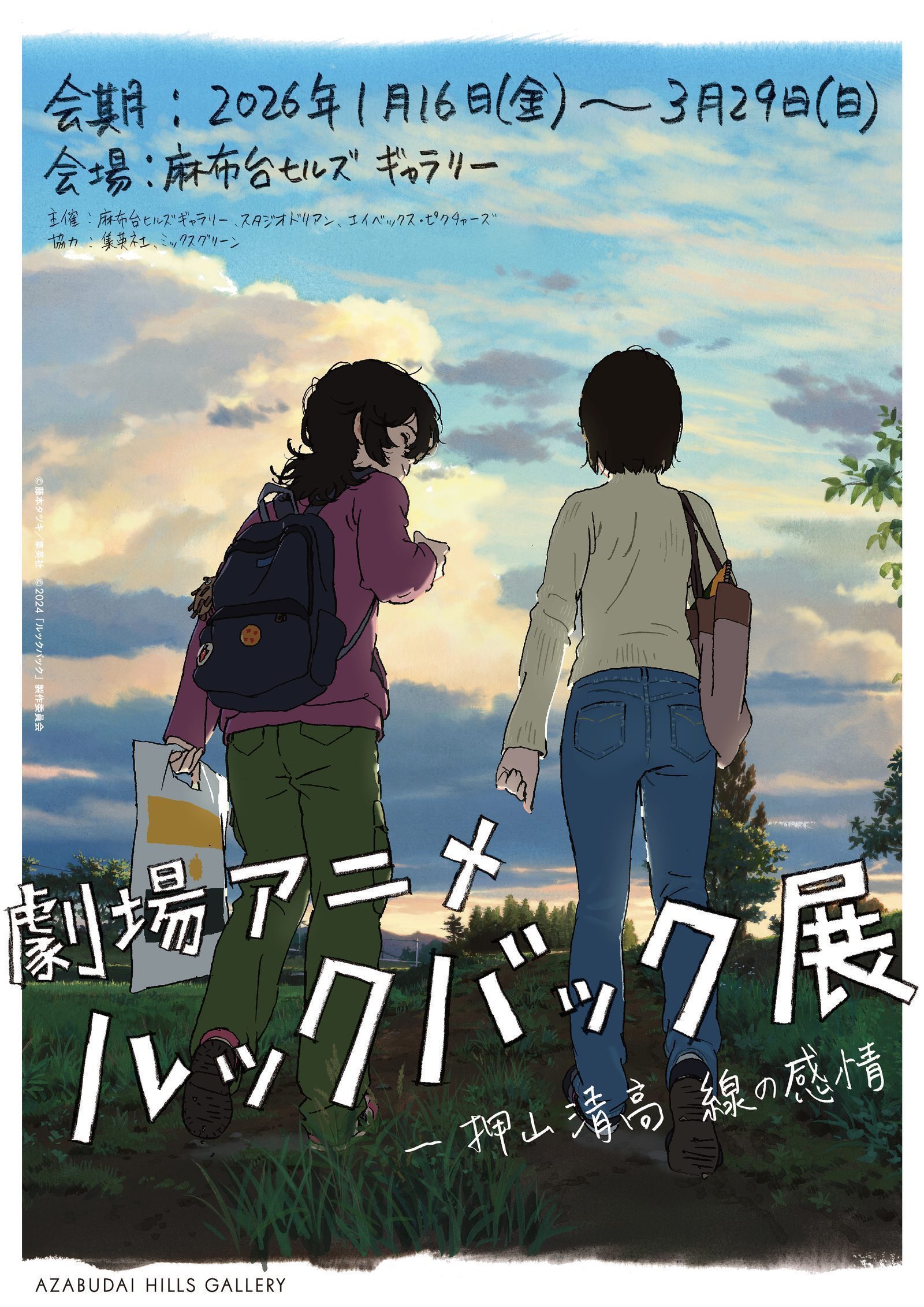 The full exhibition poster — 会期 2026年1月16日(金)〜3月29日(日), Azabudai Hills Gallery
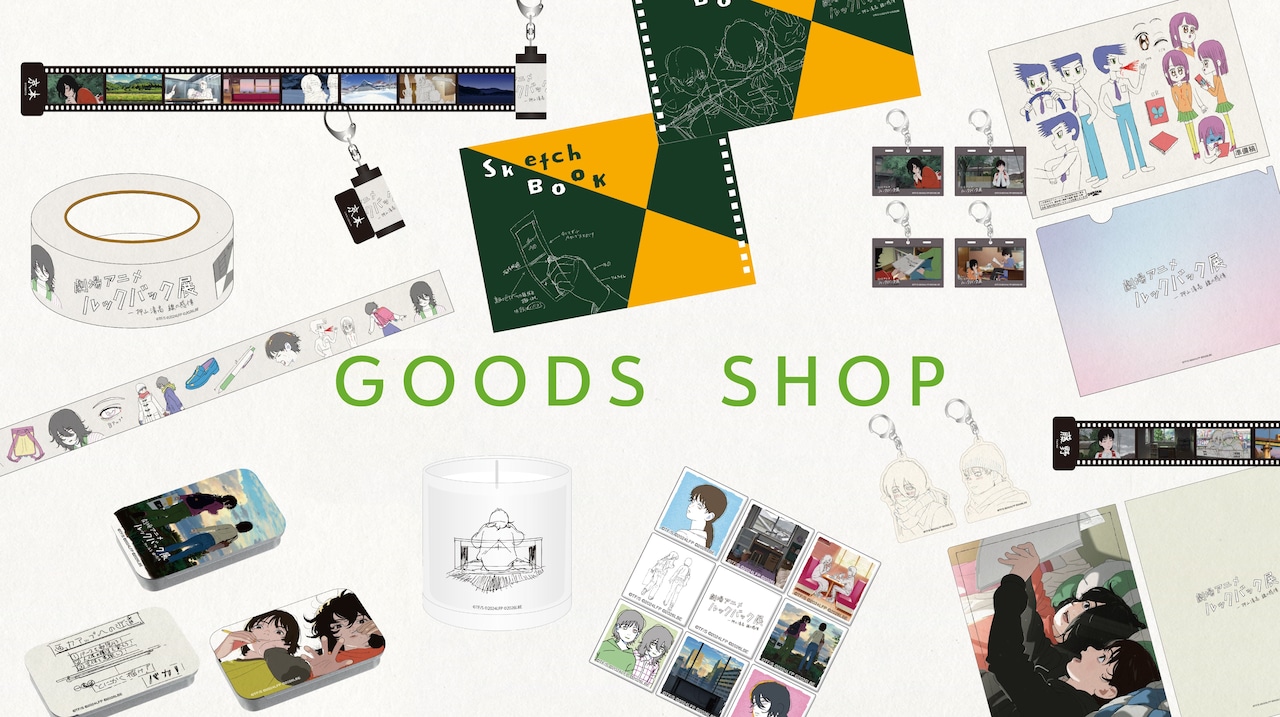 Exhibition merchandise — negative film keychains, sketchbook with original art, masking tape, mint tins, clear files. All designs by the production team.
- Azabudai Hills Gallery (Official) T2
- CINRA — Oshiyama on AI-era creativity T1
- Comic Natalie — Exhibition announcement with Oshiyama statement T1
- Pen Online — Oshiyama interview on Look Back production T1
- MOVIE WALKER PRESS — Oshiyama on preserving original animation lines T1
- Tokyo Art Beat — Exhibition report T2
- Comic Natalie — Live drawing event report T2
- Fashion Headline — Exhibition overview T3
- NiEW Media T3
- WIRED Japan — Oshiyama Innovation Award interview T1
Loading...