The Studio
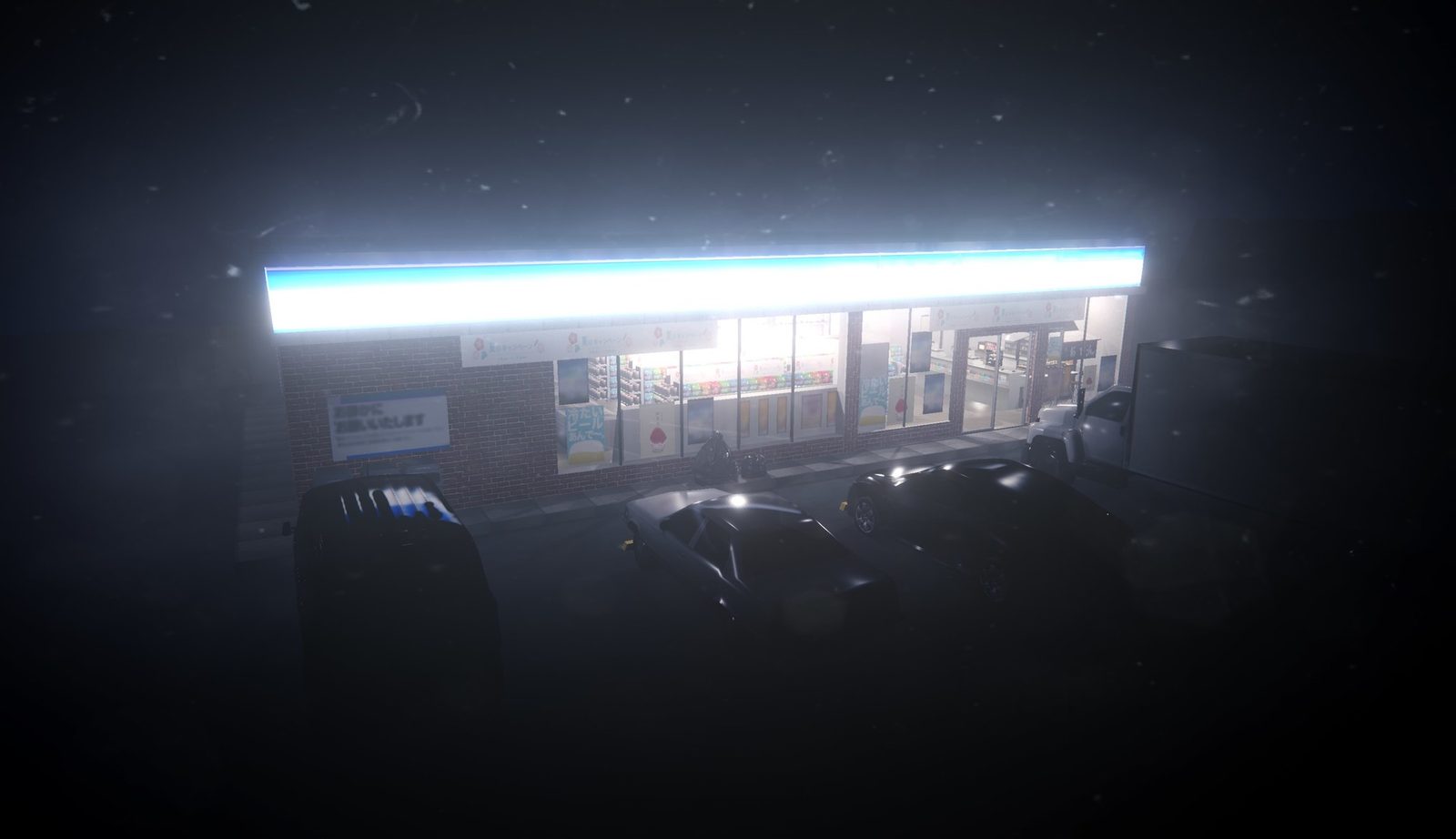
Two brothers. No team expansion. A catalogue of first-person horror walks that share an engine, an aesthetic, and a very specific understanding of what makes mundane Japanese spaces unsettling. The convenience store at 2 AM. The night shift at a gas station. Each game takes a familiar environment and lets something go wrong in it.
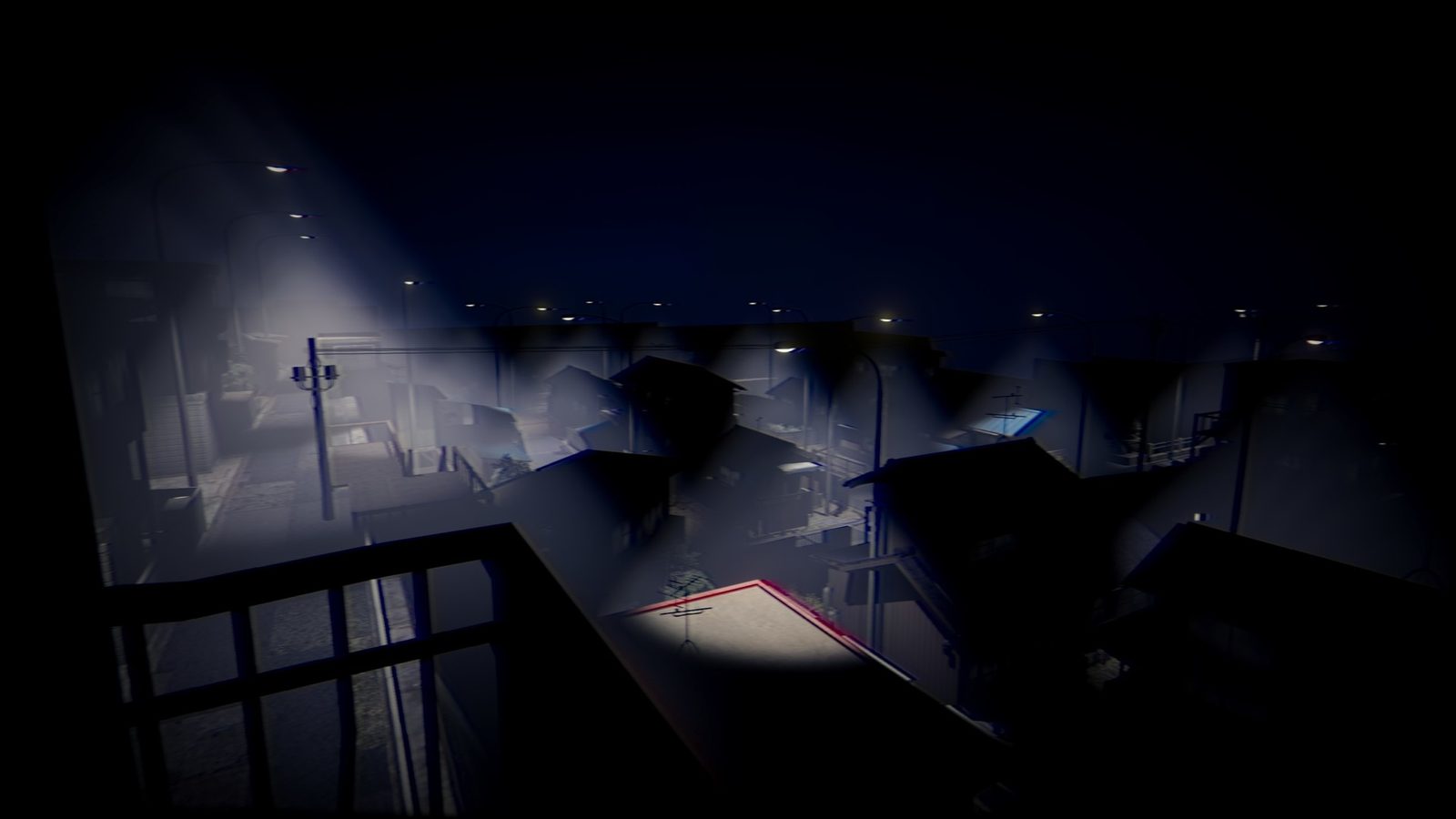 The Convenience Store — a Japanese neighbourhood at night, seen from a balcony. Streetlights cut through fog. The mundane made uneasy
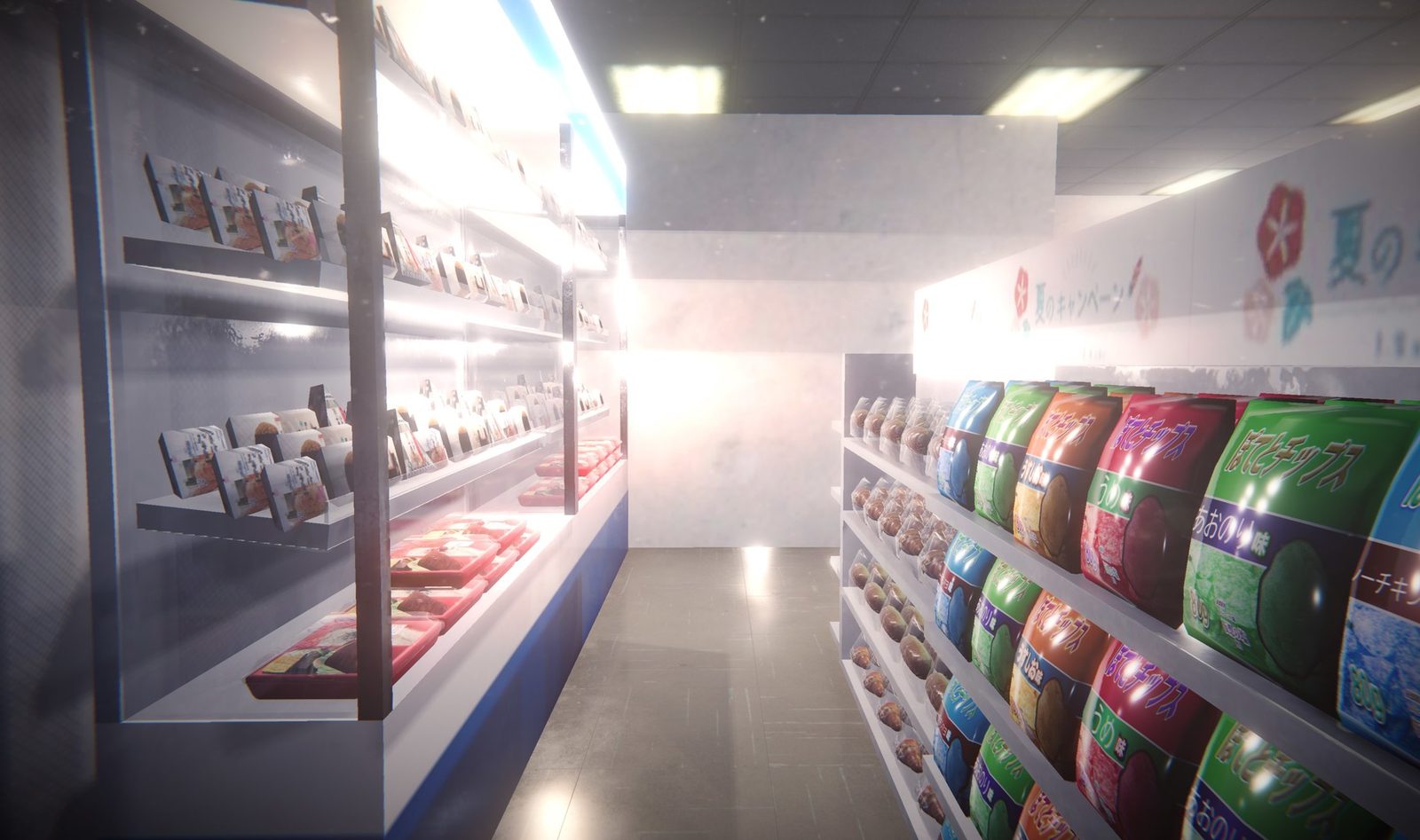 Inside the convenience store — fluorescent aisles, packaged goods, the familiar geometry of a late-night konbini rendered just wrong enough
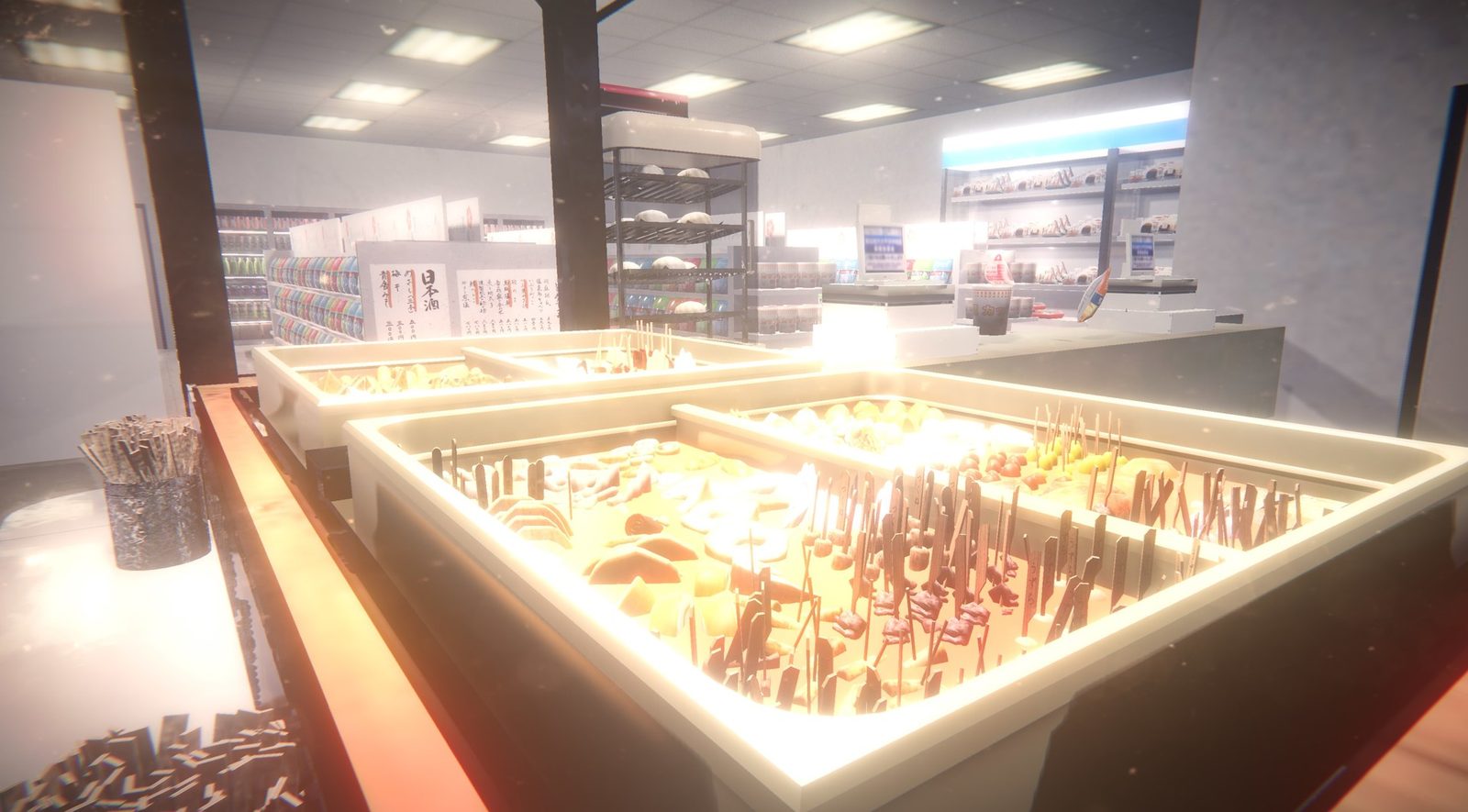 The oden counter — warm light from the food display, cold light from the ceiling. Chilla's Art finds horror in the gap between familiar textures
The Film
The Convenience Store — Chilla’s Art’s most recognizable title — is getting a live-action film adaptation in 2026, directed by Jiro Nagae. Nagae directed the Kisaragi Station films, placing him in the specific lane of Japanese horror that treats internet urban legends as source material. The fit is precise: Chilla’s Art games already feel like playable J-horror shorts.
Japanese indie games getting film adaptations is not common — the pipeline usually runs the other direction. When a two-person studio’s game reaches theatrical production, the IP has crossed a threshold. It’s no longer just a Steam product. It’s a property.
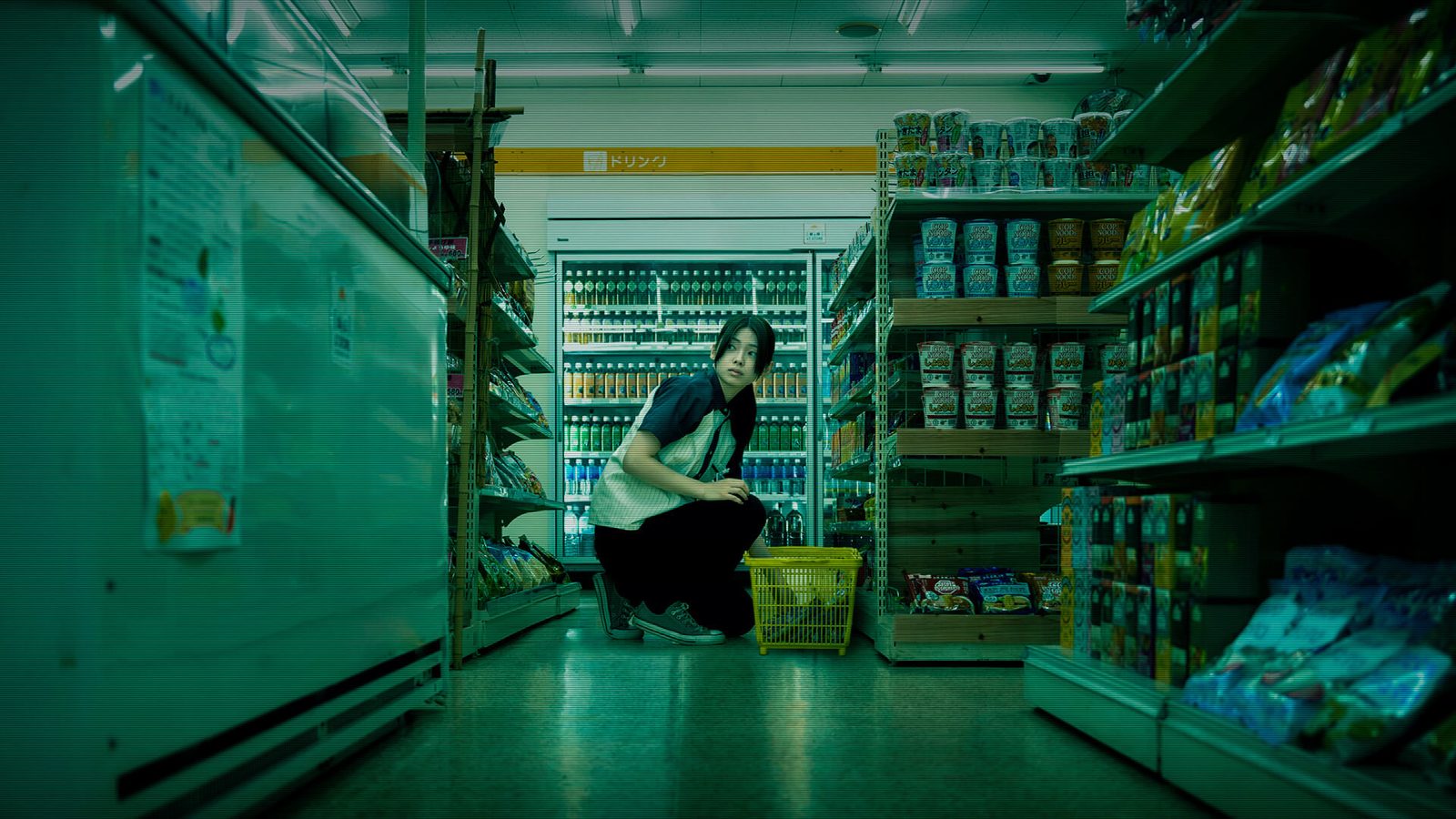 The Convenience Store film — a night-shift worker crouched between aisles. The same mundane-space-gone-wrong logic, translated from game to live-action
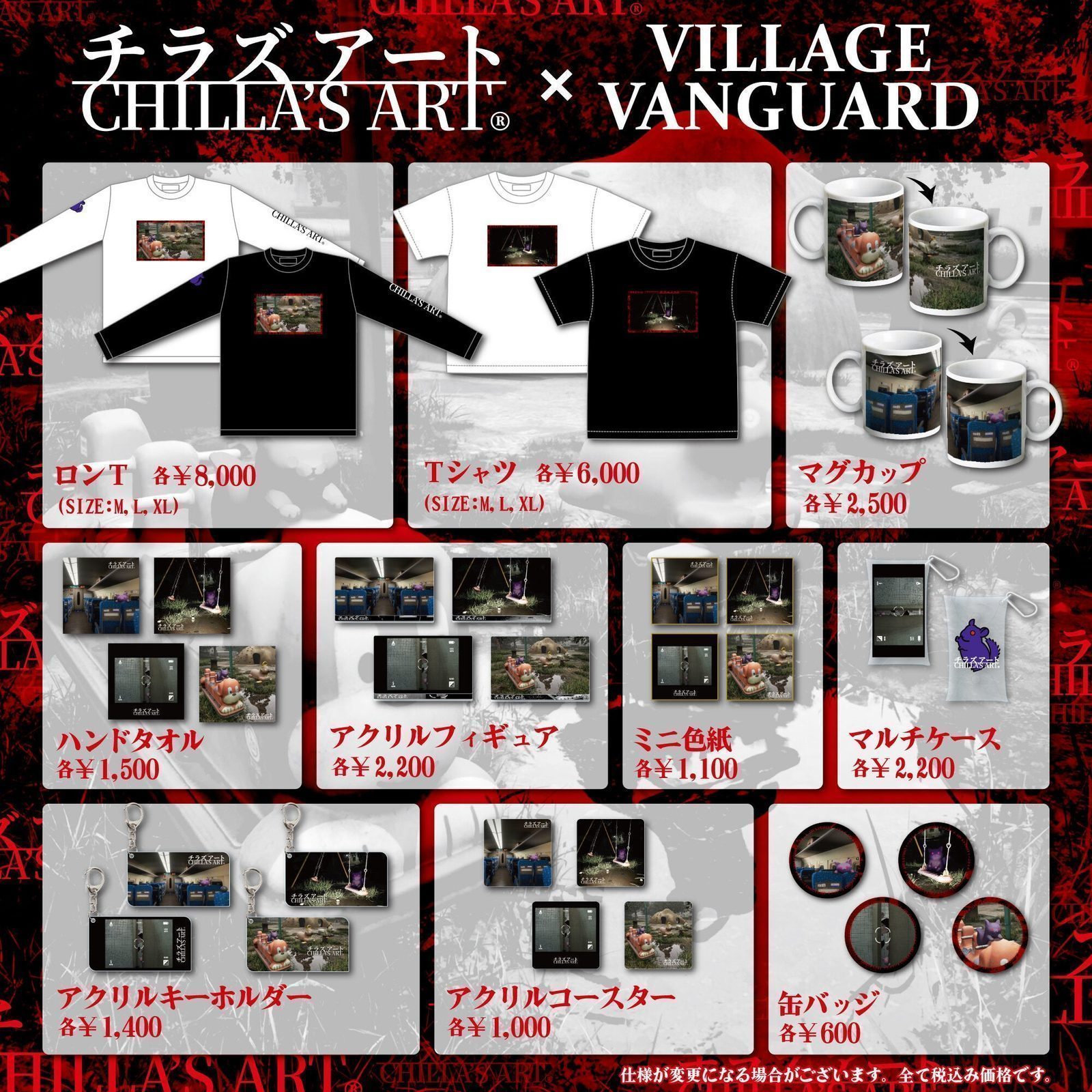 Village Vanguard exclusive merchandise launched January 29, 2026 — Japan's subculture retail tastemaker doesn't stock just anything
The Pivot
The next game is a departure. UMIGARI drops the convenience stores and apartment hallways for open water — fishing horror with harpoon mechanics, a significant genre pivot from first-person exploration in confined Japanese interiors.
Chilla’s Art’s identity was built on repetition with variation: same engine, same perspective, different mundane setting, different thing that goes wrong. UMIGARI breaks that pattern by moving outdoors and introducing active combat. Whether the studio’s brand of dread translates to an open environment is an open question. But the willingness to pivot while the formula is still commercially viable suggests a studio thinking about longevity rather than just output.
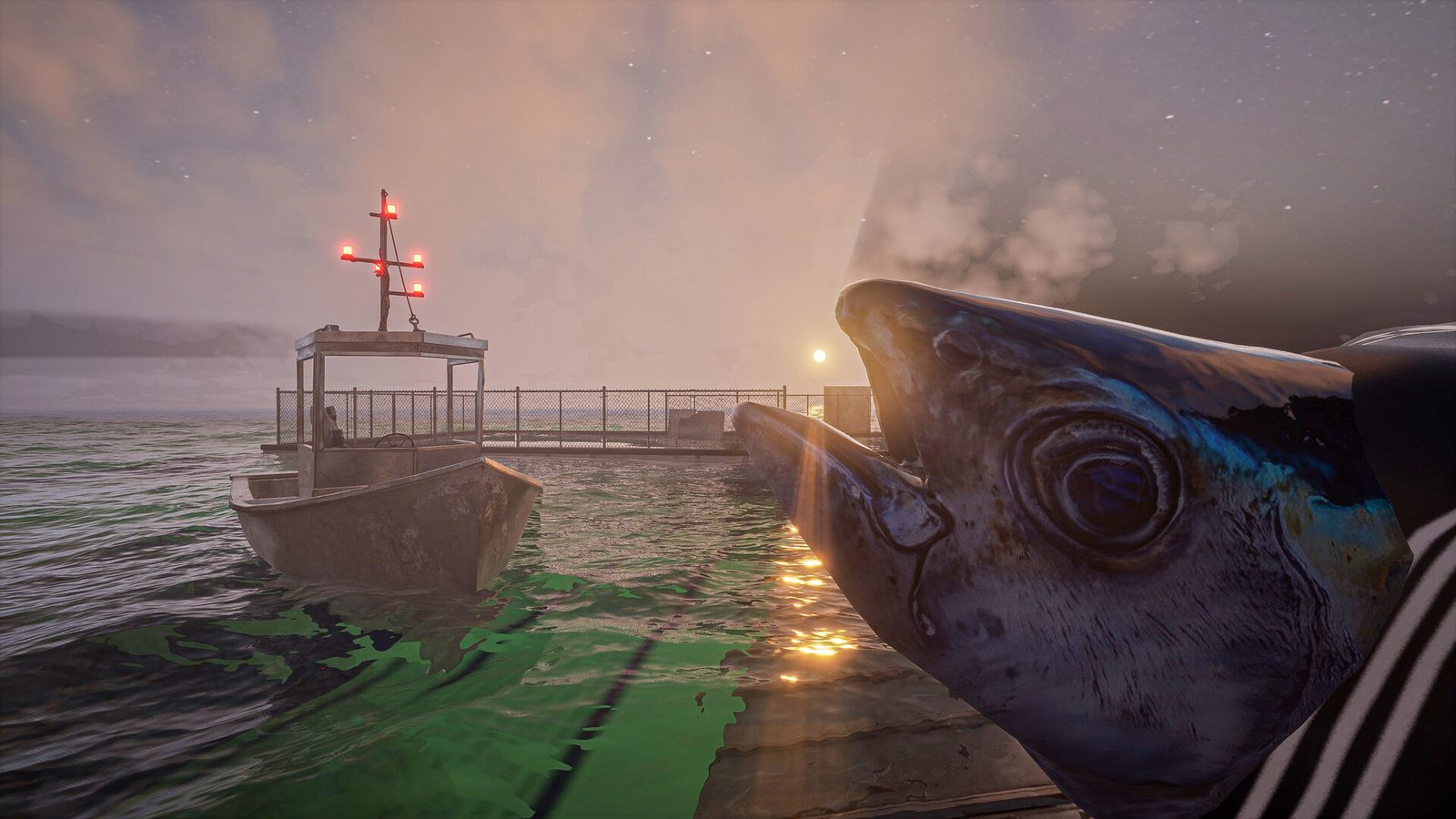 UMIGARI — fishing horror with harpoon mechanics, trading confined hallways for open water and something large beneath the surface
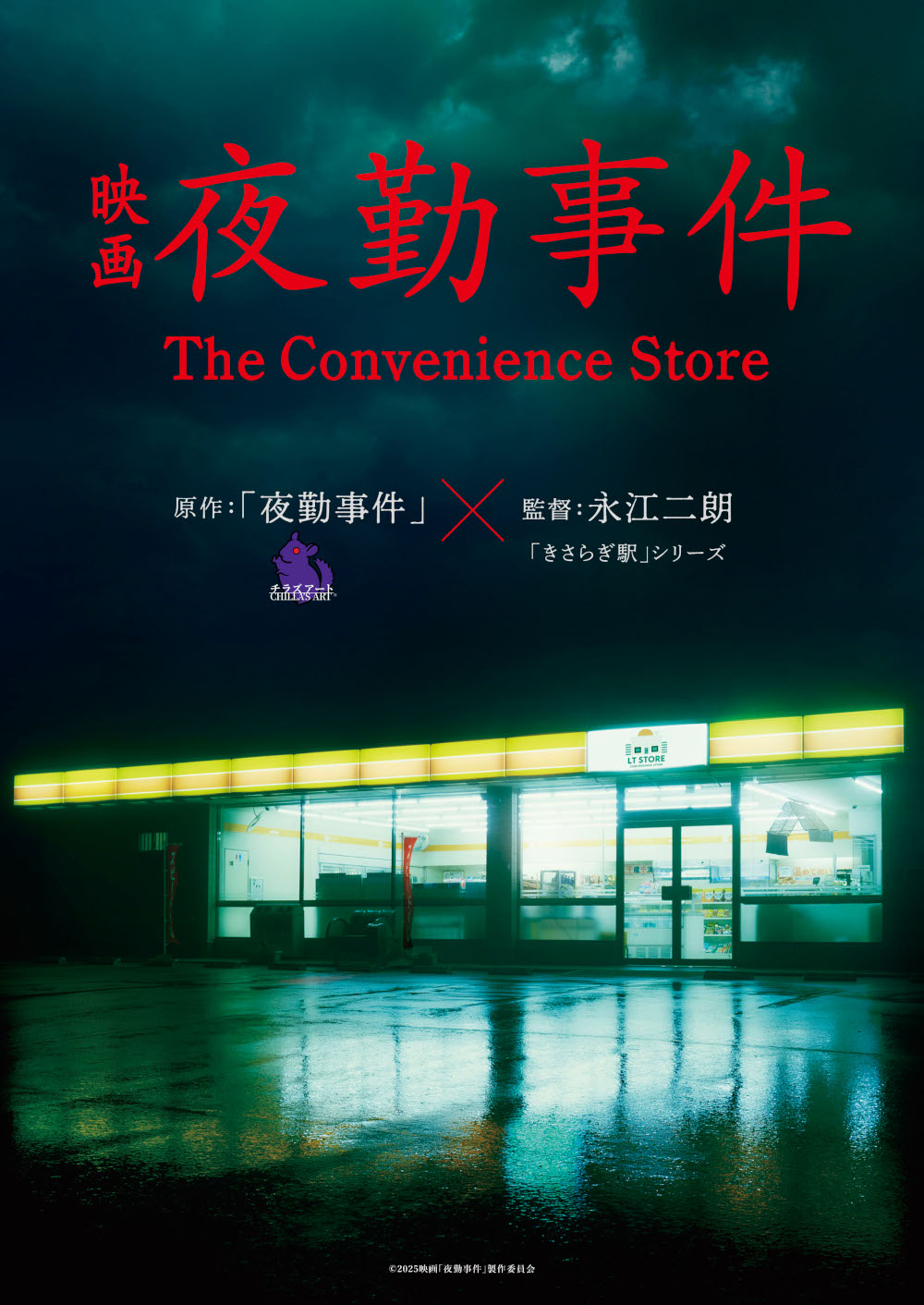 The Convenience Store film poster — directed by Jiro Nagae (Kisaragi Station), marking a rare JP indie game-to-film adaptation
A film adaptation. Retail merchandise at Japan’s most culturally significant chain bookstore. A genre pivot. Chilla’s Art in 2026 is not the same operation it was in 2022. It’s a two-person studio that has — through sheer volume and consistency — built enough cultural gravity to pull physical media into its orbit.
Chilla's Art makes horror games the way a bakery makes bread: small, consistent, and faster than anyone thinks is reasonable. Over a dozen titles since 2019, most priced under $5, most beatable in under an hour. The production values are modest, the scares are blunt, the writing is functional. But the audience knows. Chilla's Art games reliably chart on Steam, generate millions of YouTube views through Let's Play coverage, and have built a fanbase that treats each new release as an event.
In 2026, that fanbase is being rewarded: Chilla's Art is crossing over from digital indie studio into physical media.
On January 29, 2026, Village Vanguard — Japan's chain of "exciting bookstores" that functions as a retail tastemaker for subculture goods — launched an exclusive Chilla's Art merchandise line. Village Vanguard doesn't stock merchandise for games without cultural traction. Their shelves are a curated index of what Japanese subculture consumers are actually buying. Chilla's Art being there means the audience has expanded beyond Steam wishlists into physical retail. When someone can walk into a store in Shibuya and buy a Chilla's Art item, the game has moved from content to culture.
For the JP indie games market — the fastest-growing segment in the otaku economy — Chilla's Art is the case study. Not the most technically ambitious studio. But possibly the most efficient at converting a focused game design philosophy into a brand that exists outside of Steam.
The Convenience Store film and UMIGARI release dates are both TBD for 2026. We'll update when they're confirmed.
Loading...