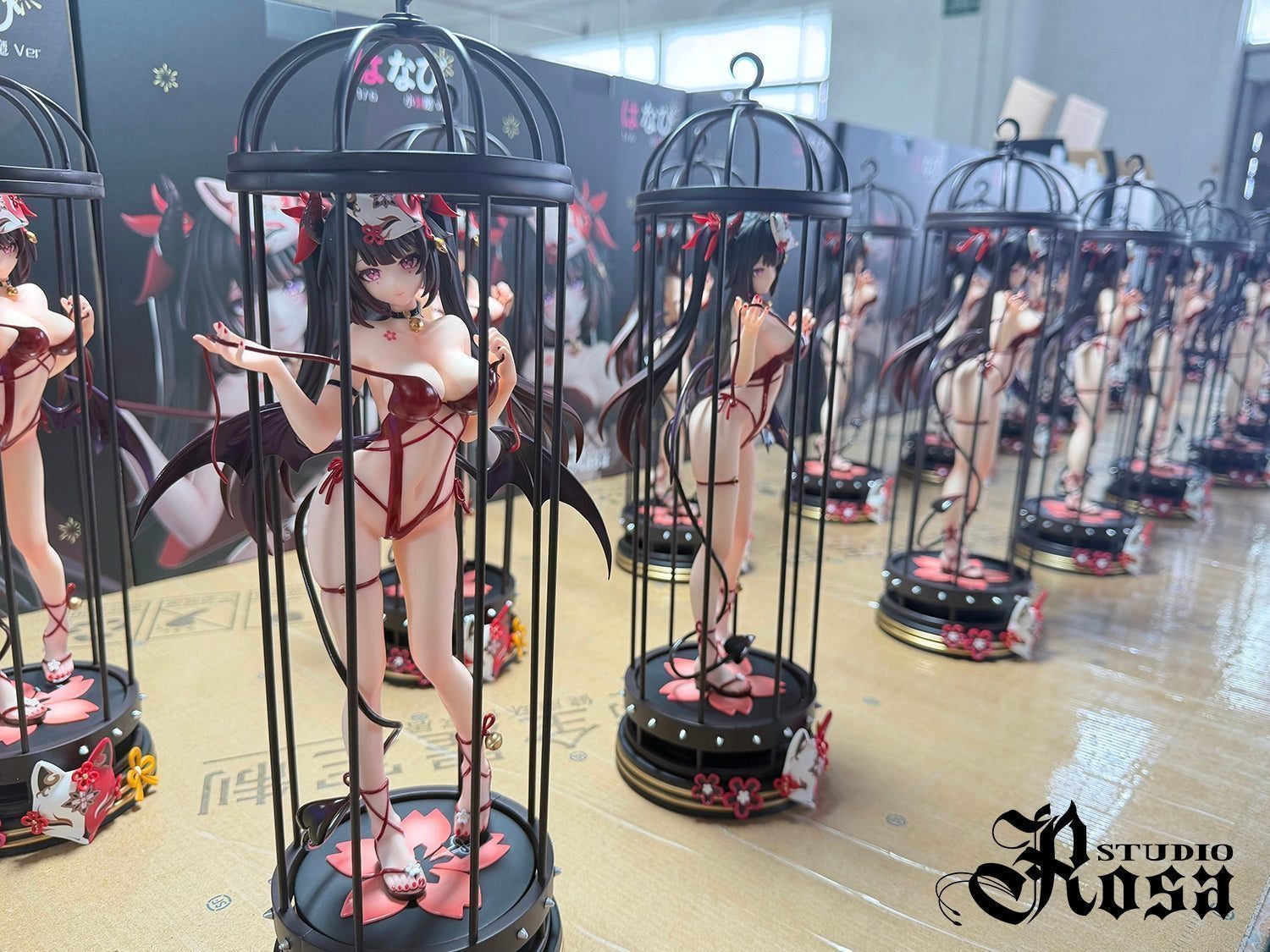
Hand-Painted Resin
Each ClubHouse statue is individually hand-painted — minor variations reflect the artist's hand. You're not buying identical copies. You're buying individual hand-executed artworks.
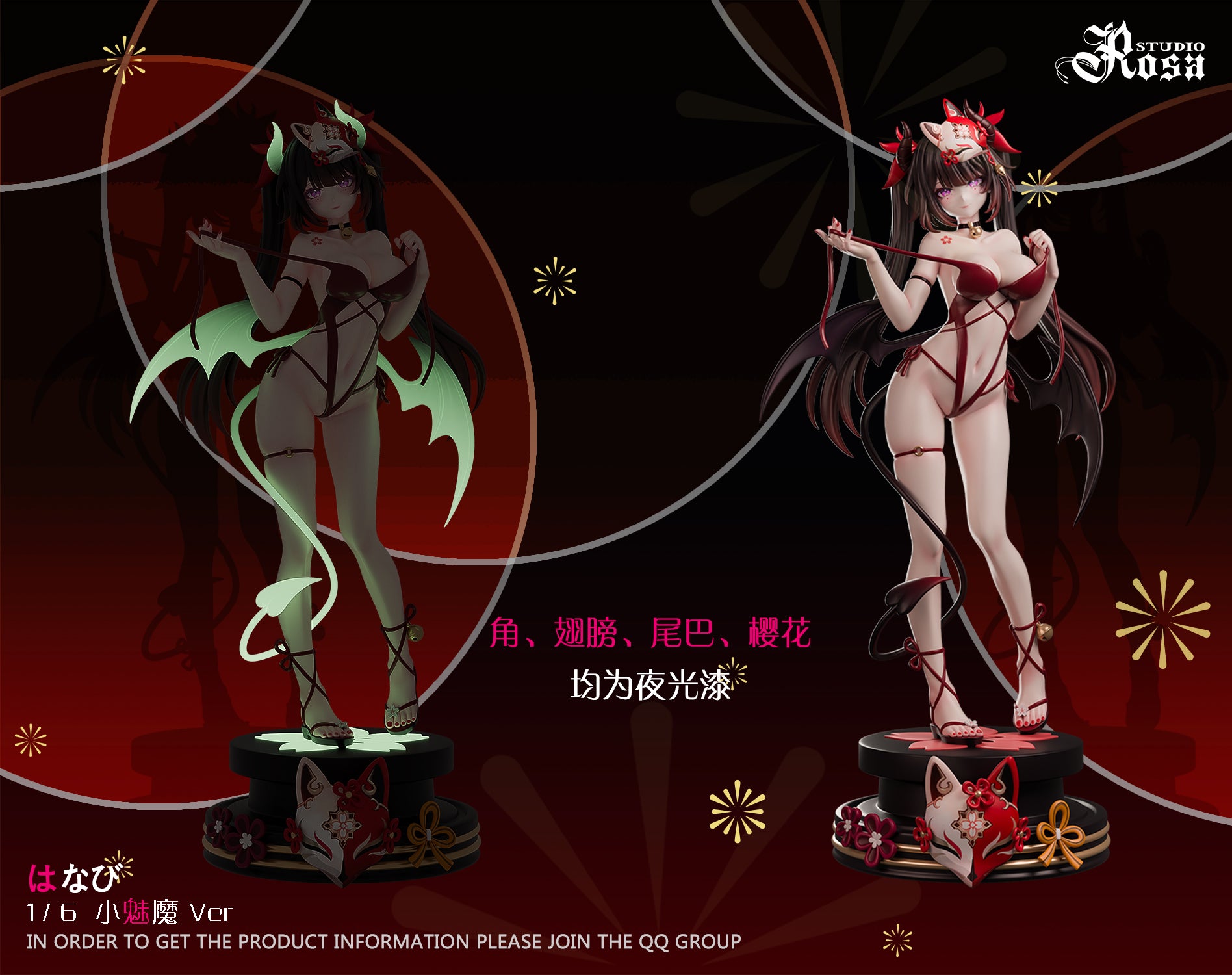
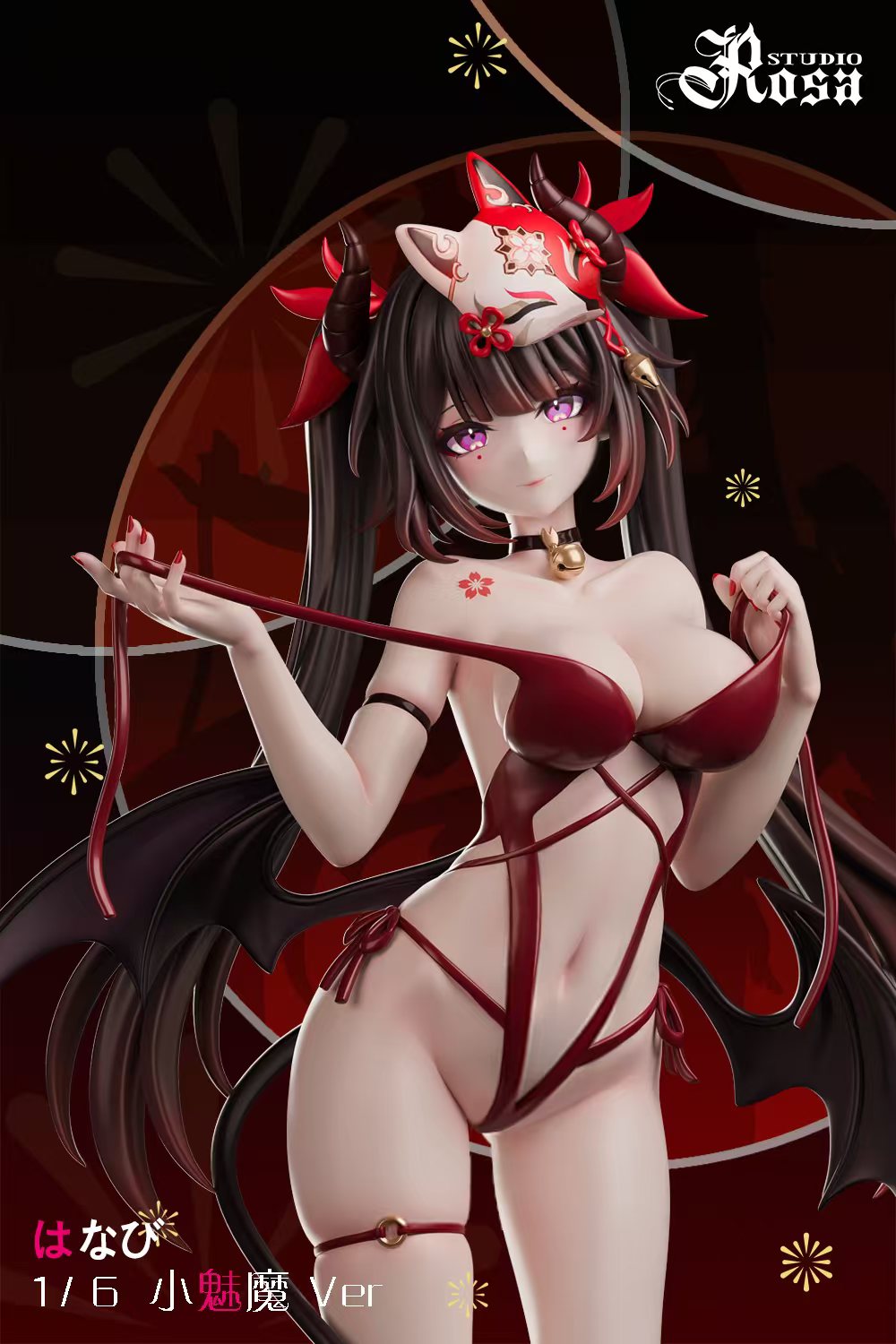 Rosa Studio Sparkle — hand-painted resin with premium finish
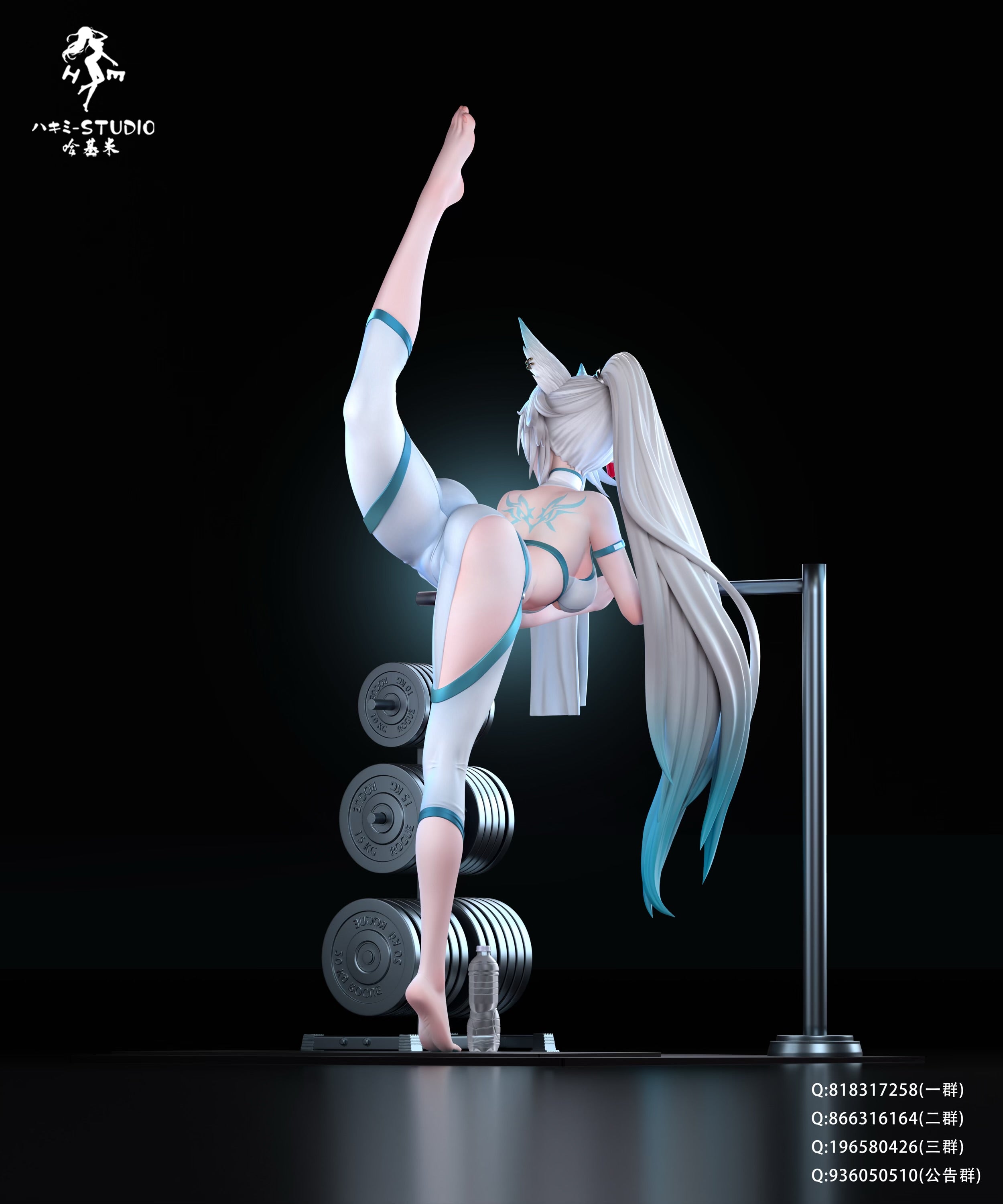
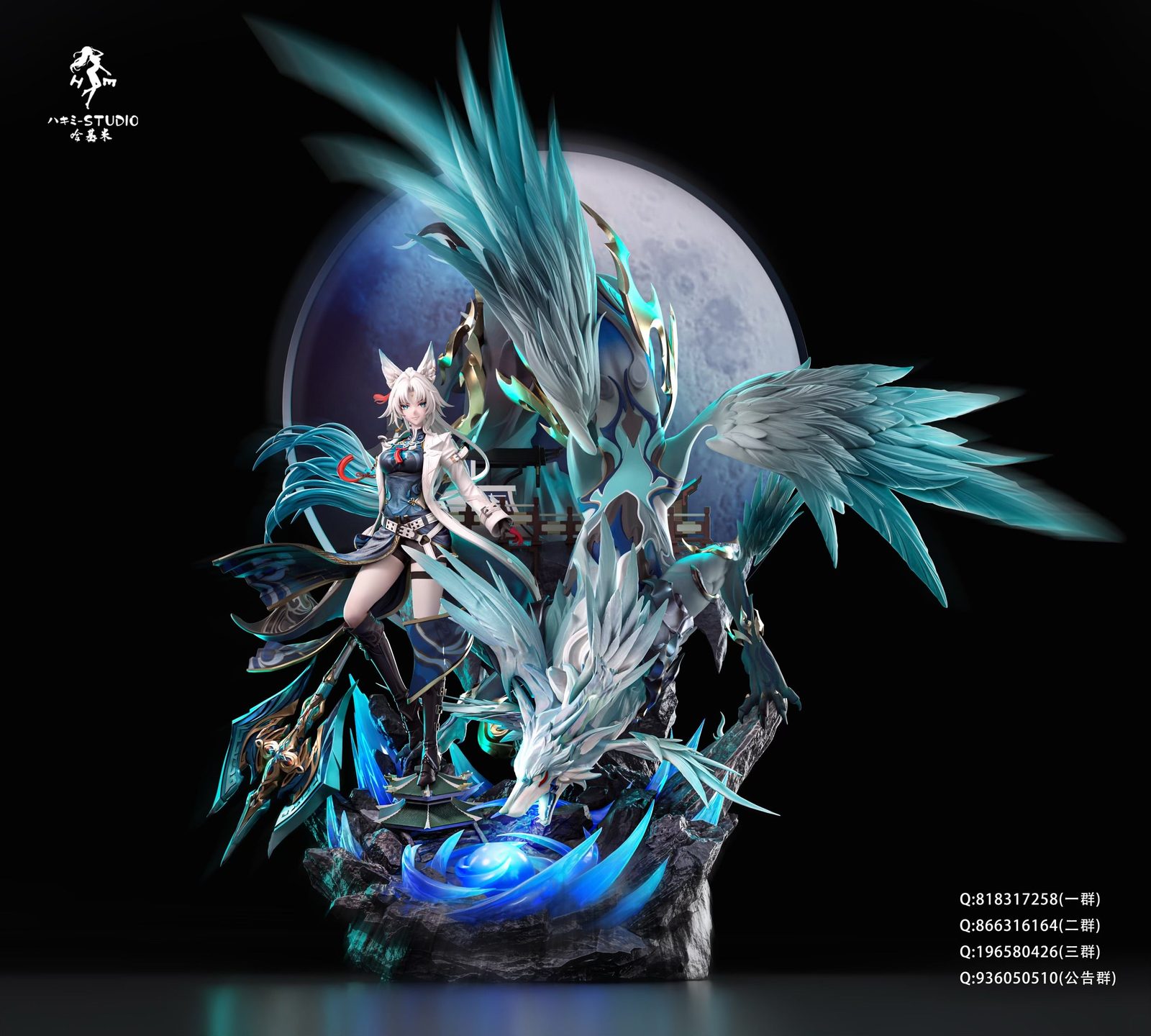 Hakimi Studio Feixiao — dynamic pose capturing combat energy
 Paint detail — craftsmanship that justifies premium pricing
 Scale reference — museum-quality display presence
The tiered approach democratizes collecting. Regular editions at ~€175, EX at €350-450, DX premium at €600-845. Same character, different commitment levels.
 Premium packaging — presentation matches the statue quality
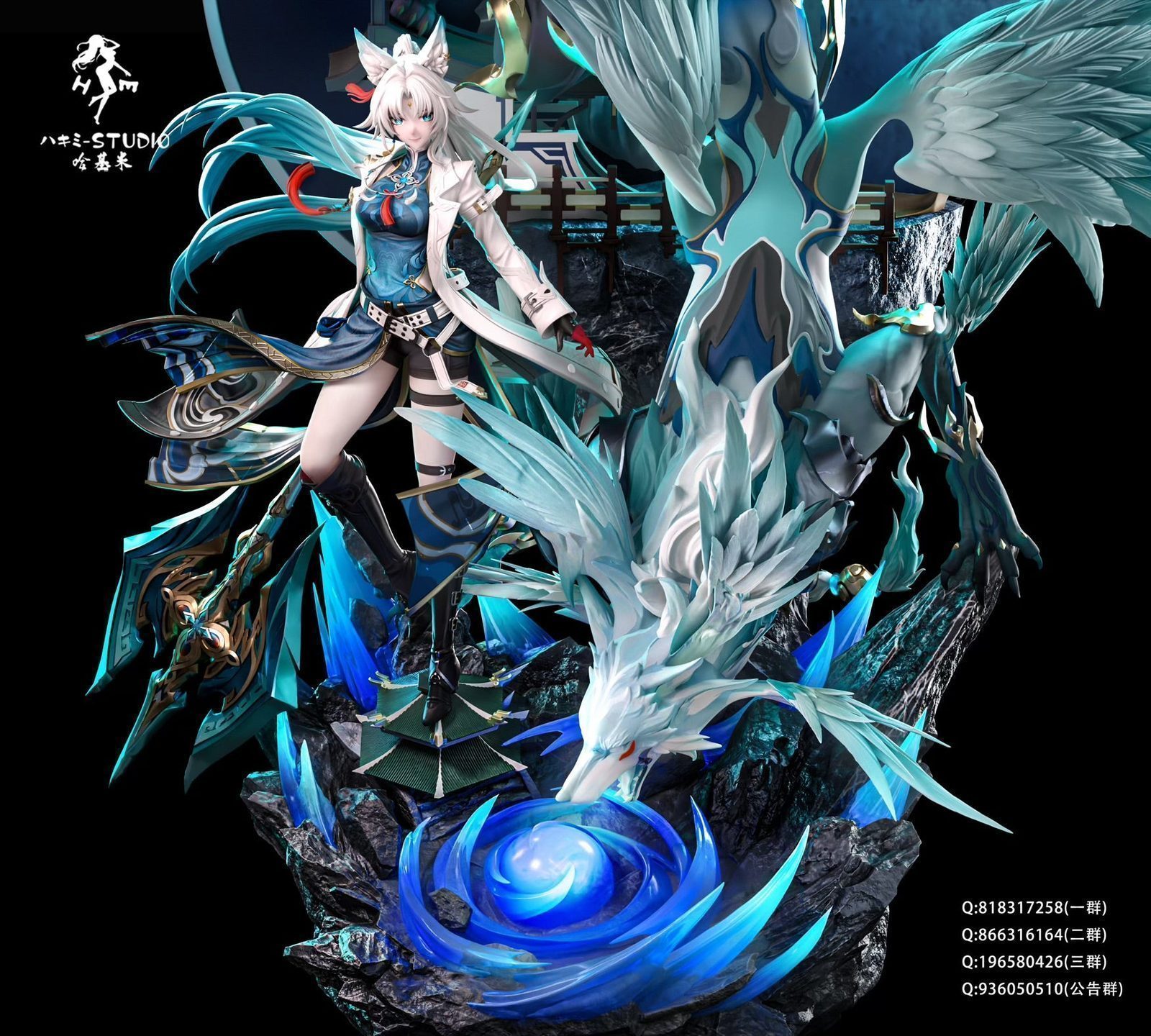
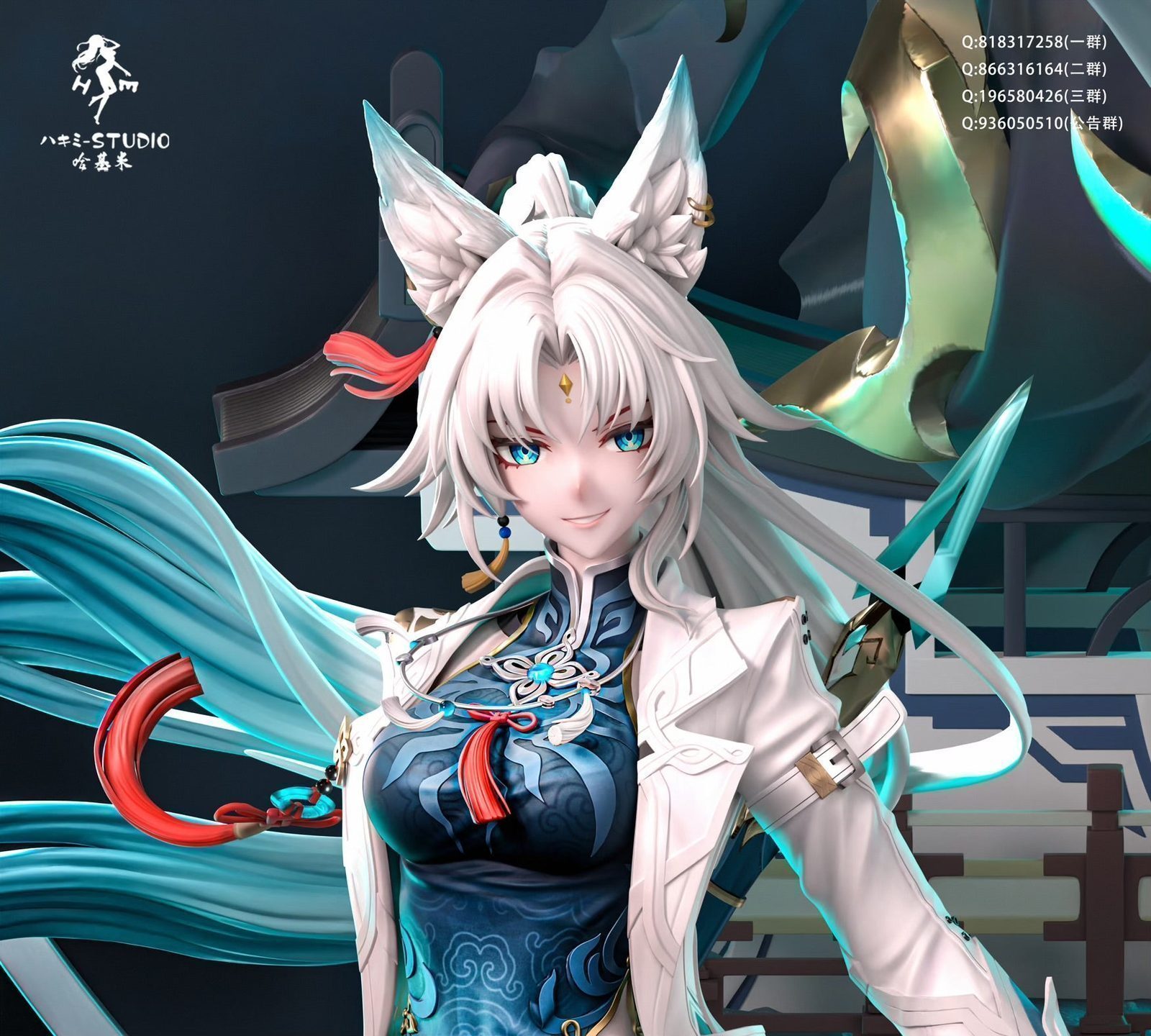
 Feixiao close-up — where design language meets three-dimensional form
The HoYoverse Collector Moment
Honkai: Star Rail is a Chinese game published by HoYoverse (Mihoyo international label) with undeniable Japanese design DNA. The visual language—character proportions, costume detail, UI aesthetic—follows anime industry conventions refined over decades.
ClubHouse Statues' commitment to multi-character Honkai: Star Rail lines signals something specific: Western collector base recognizes HoYoverse games as culturally significant. Not just popular—collectible-significant.
This represents a broader shift: game IP no longer requires Japanese publisher to warrant premium statuary. Design quality and collector base enthusiasm matter more.
The Tier System Approach
ClubHouse offers multiple versions per character:
- Regular (typically 26.5cm, €175-250)
- EX (31cm, special base, €350-450)
- DX (37cm, premium features like removable cage construction, €600-845)
This tiered approach democratizes collecting. You can acquire Regular editions at ~$200, or commit to DX premium at $800+. The same character exists across price points, appealing to different commitment levels.
This mirrors Japanese figure industry strategy (Kotobukiya, Alter, Good Smile all use similar tier systems). ClubHouse brings that infrastructure to HoYoverse IP.
Hand-Painted as Differentiator
"Hand-painted resin" appears in all ClubHouse product descriptions. This is significant. Mass-produced figures use printing/decaling. Hand-painting means individual human execution—each statue has minor variations reflecting the artist's hand.
This justifies premium pricing and appeals to collectors valuing artisan craft over industrial uniformity. You're not buying identical copies. You're buying individual hand-executed artworks.
The Emerging IP Question
Honkai: Star Rail launched in 2023. ClubHouse is committing to it in 2026—three years of demonstrated collector interest. The publisher isn't betting on hype. They're betting on sustained engagement proving collector infrastructure exists.
For Monozuki, this represents a potential growth story: tracking emerging game IPs that develop genuine collector bases over 2-3 years. HoYoverse is particularly interesting because it bridges Chinese development, global distribution, and Japanese design language.
Multi-Studio Interpretation
ClubHouse works with multiple sculptors on character lines, enabling different artistic interpretations of the same character. This creates variation and specialization: collectors can prefer Sculptor A's version of Character X over Sculptor B's interpretation.
This level of curator stratification suggests mature collector culture. People aren't just buying figures—they're building themed collections with aesthetic preferences about who sculpted their favorite character.
The Global JP Design Angle
Honkai: Star Rail succeeds partially because its visual language reads as "anime game" despite Chinese authorship. This signals that Japanese design principles—character design, color theory, costume language—have become global standards in game industries.
ClubHouse's investment in this IP suggests those global design standards justify premium collecting infrastructure.
- ClubHouse Statues T1
- HoYoverse T1
Loading...