The Scale
3,000+ machines across 1,250 square metres at Sunshine City in Ikebukuro. Guinness World Record holder since 2021. 150+ new products arrive monthly. The machines are grouped by theme — Popular, New, Character, Variety, Animal — with posters above each one identifying the collection. Change machines convert banknotes to 100-yen coins. Staff help locate specific machines. There is a dedicated photography area.
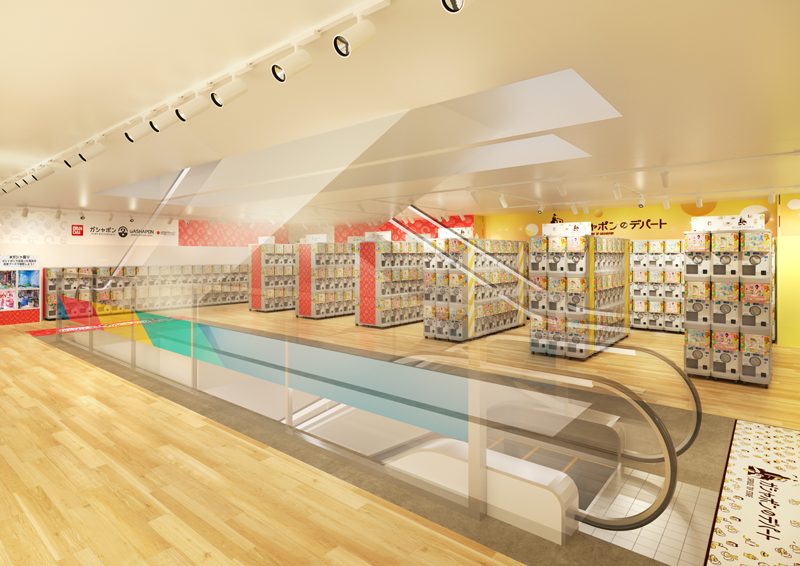
 Ikebukuro flagship — 3,000+ machines at Sunshine City. The scale is intentionally overwhelming. You're supposed to wander
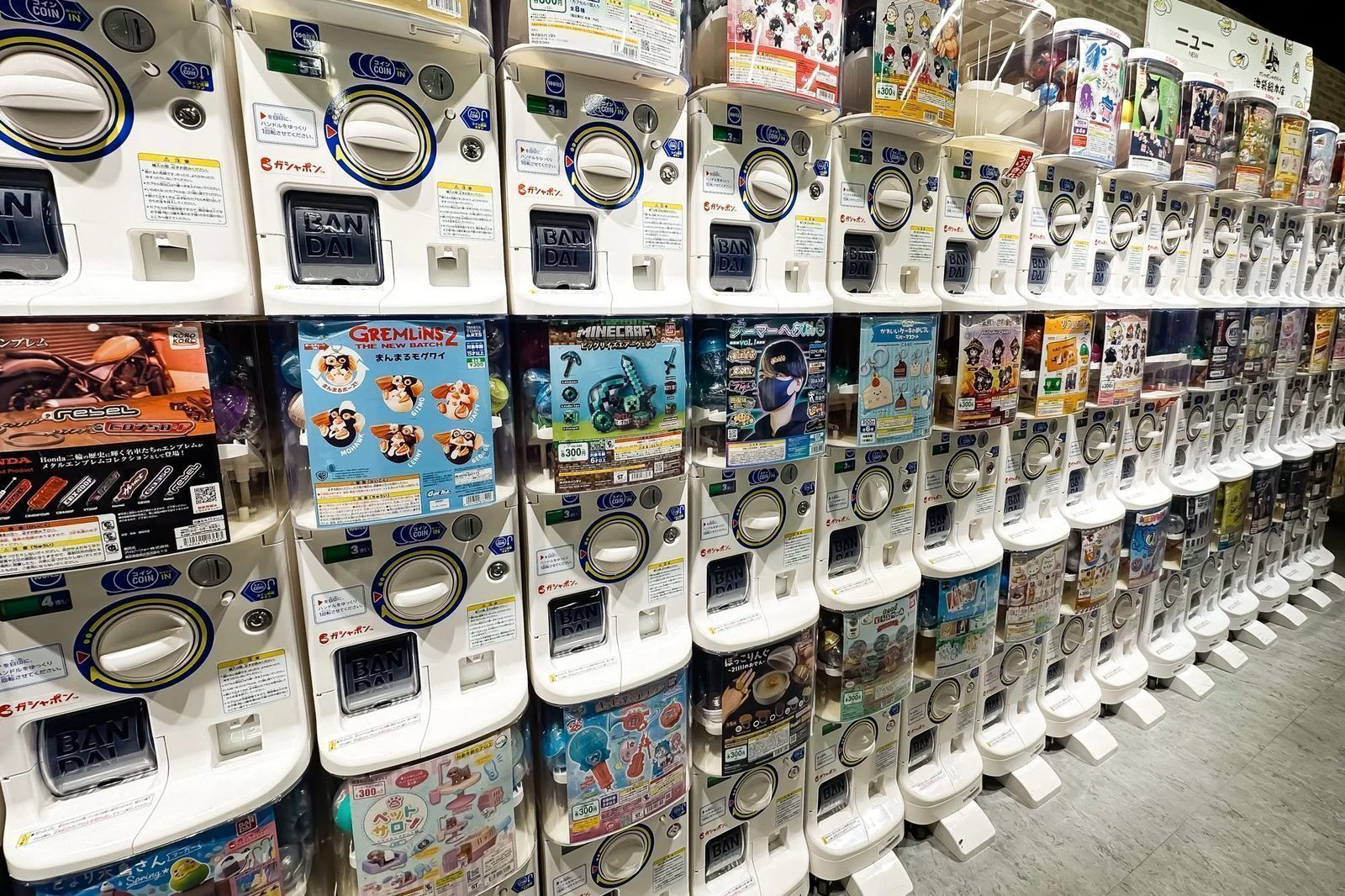 Machine rows organized by theme — each poster identifies the collection, price, and number of variants in the set
 Akihabara location (4F namco) — 800+ machines plus the Gashapon Bandai Official Shop with exclusive and pre-release items
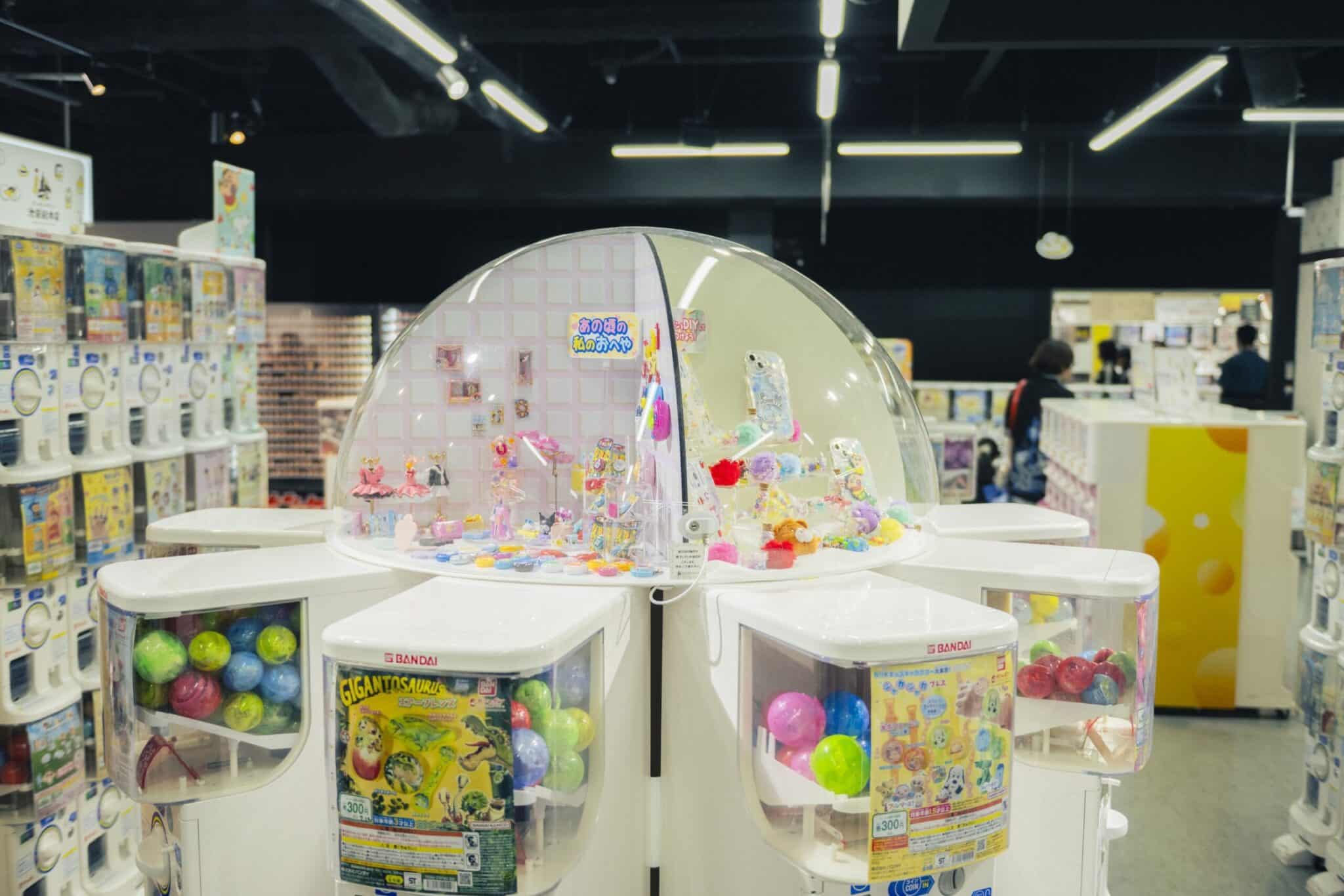
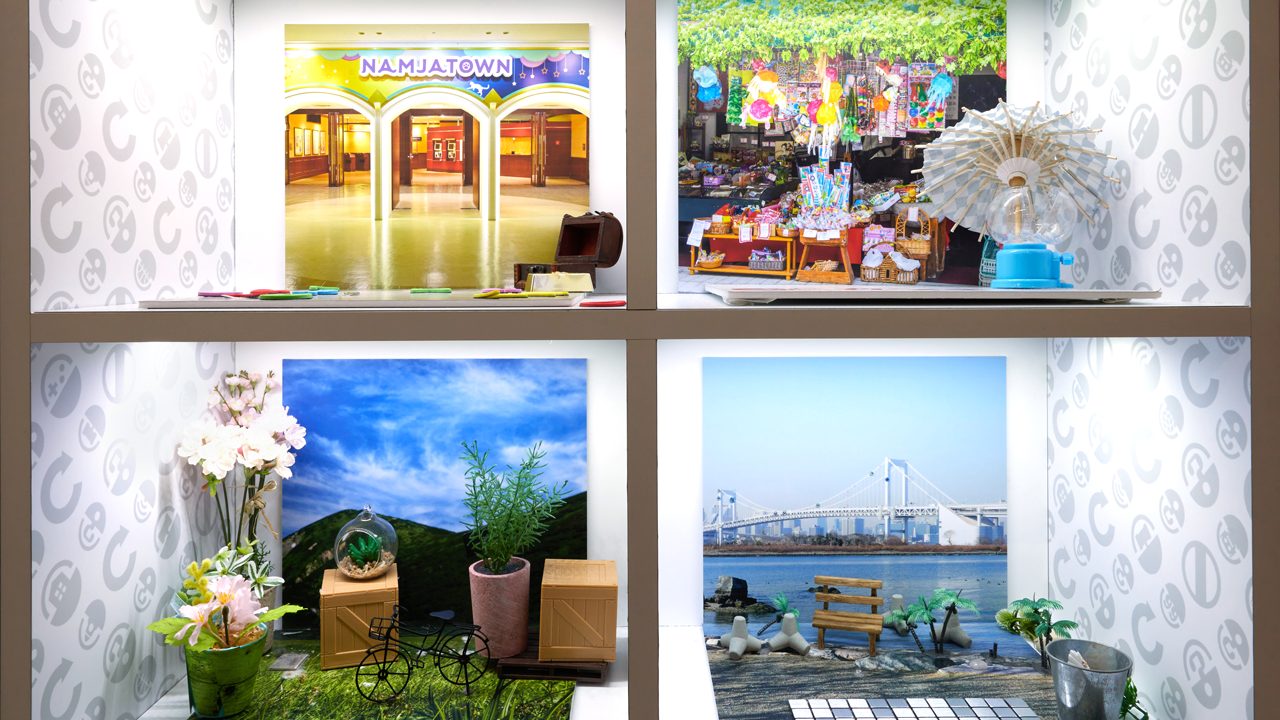
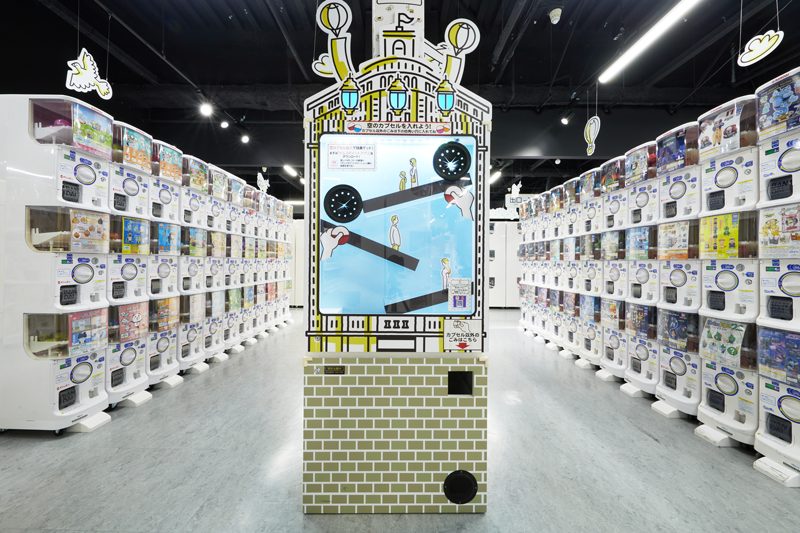 The 'Gasha Photo Spot' — dedicated photography area with miniature backdrop sheets for staging your pulls. Gasha-tori culture built into the architecture
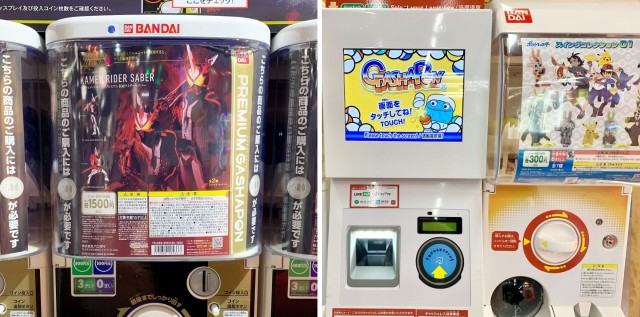 Smart Gashapon machines accept IC card payments — the newer machines removing the coins-only barrier that frustrated international visitors
312 Bandai Gashapon stores across Japan. 23 in Asia, 16 in North America, 8 in Europe, with 80+ more planned. The capsule toy infrastructure is going global — and Narita Airport's 500+ machines sell at 3x the national average.
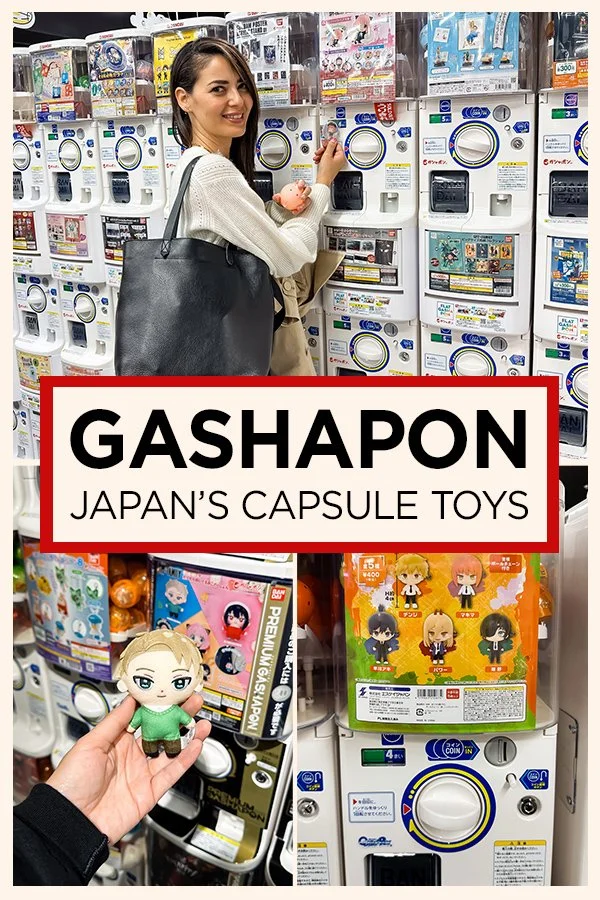 A typical gashapon haul — the 'gasha-tori' photography trend has made these pulls into social currency on TikTok and Instagram
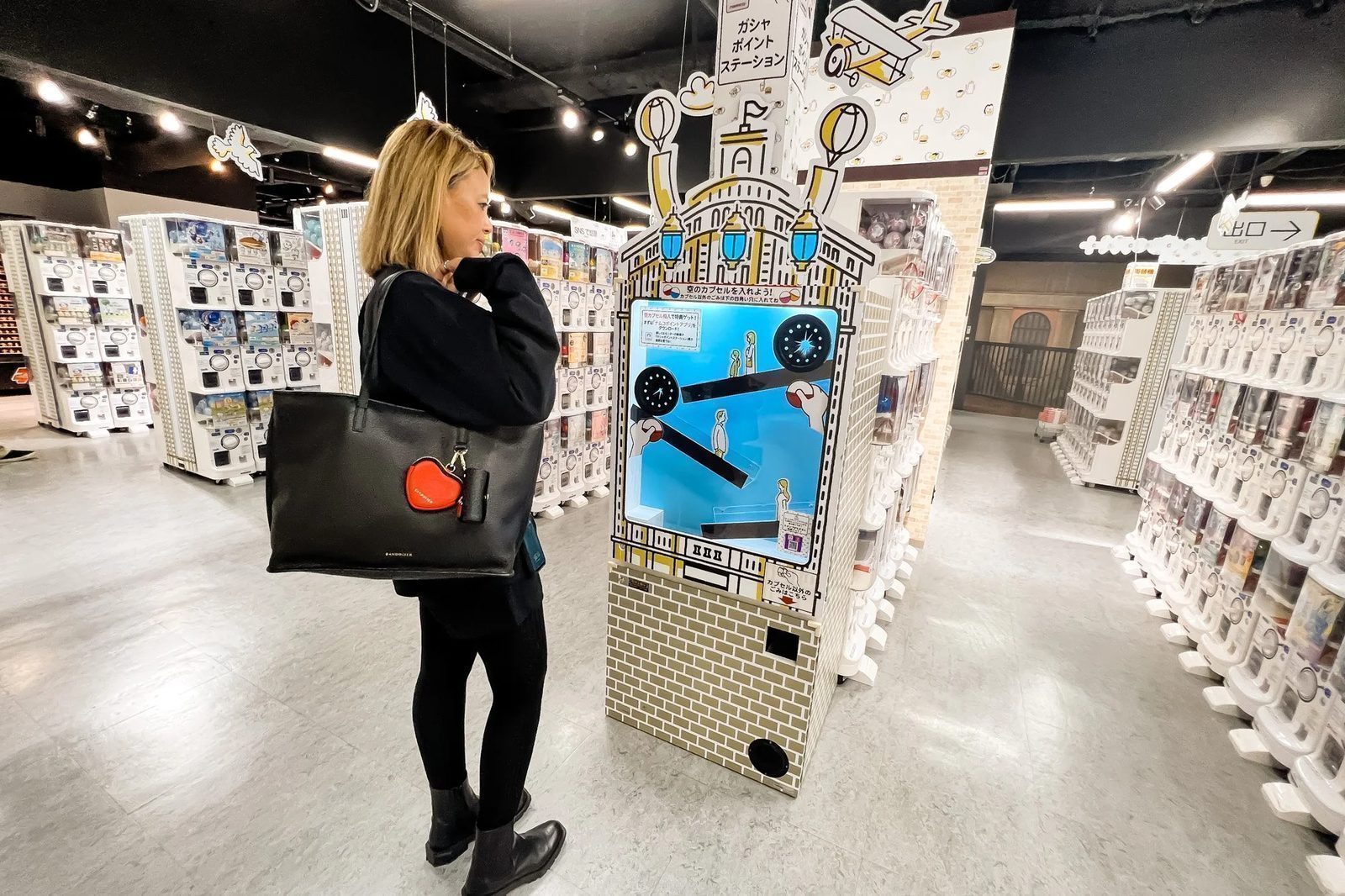 Gasha Point Station at the Akihabara store — capsule recycling that turns environmental responsibility into the infrastructure
The Gashapon Department Store at Sunshine City in Ikebukuro is not a shop. It's an environment. 3,000+ capsule toy machines arranged across 1,250 square metres of floor space, each one a ¥200-500 bet on randomness that produces a small plastic object you probably didn't know you needed. Bandai's flagship holds a Guinness World Record, receives 150+ new product lines every month, and has become a standard stop on the Tokyo tourist circuit alongside Shibuya Crossing and TeamLab.
The experience of walking into a room with three thousand gashapon machines is specific: you lose your plan within the first thirty seconds. Visitors who arrive with a target — "I want the Pikmin set" or "I'm looking for the miniature ramen bowls" — end up at machines they never intended to use because something in their peripheral vision caught their attention. A tiny cat in a hat. A translucent jellyfish. A miniature replica of a Japanese gas station sign. The density of choices doesn't paralyse; it liberates. When everything is ¥300, the stakes evaporate and curiosity takes over.
The 5th Boom
The Japanese capsule toy industry is officially in its 5th Boom. The market hit ¥141 billion in shipment value in 2024 — up 22.6% year-on-year — with over 700 new products launching every month. Bandai alone introduces 1,200+ gashapon products annually. The number of dedicated capsule toy specialty stores across Japan has surpassed 700, a phenomenon partly driven by urban retail vacancy during the pandemic being filled by machine banks that require minimal staffing. What was once a secondary revenue stream tucked into arcade corners has become a standalone retail category.
The Infrastructure
Bandai operates 312 dedicated gashapon stores across Japan — 101 Department Stores plus 211 Gashapon Bandai Official Shops (GBO), all opened in roughly four years. But the Ikebukuro flagship and the Akihabara location (800+ machines at 4F namco) are the collector destinations. Ikebukuro has the scale. Akihabara has the Gashapon Bandai Official Shop — a curated retail corner within the store that stocks exclusive and pre-release capsule toys alongside a rotating selection of new arrivals.
The machines are organised by theme sections: Popular, New, Character, Variety, Animal. Posters above each machine identify the collection inside, the price, and the number of variants in the set. Change machines are scattered throughout the floor. Staff circulate to help visitors locate specific machines — a service that matters more than it sounds when you're standing in a grid of three thousand identical-looking dispensers.
Newer Smart Gashapon machines accept cashless IC card payments, which removes the perennial tourist frustration of running out of ¥100 coins. The rollout is ongoing; most machines still require coins, but the trajectory is clear.
The stores have also installed Gasha Photo Spots — dedicated photography areas with miniature backdrop sheets for staging and photographing your pulls. This isn't incidental. The practice of gasha-tori (photographing your gashapon haul) has become a social media staple, with "Japan Gashapon Haul" trending as a TikTok discovery tag. Bandai saw the behaviour and built infrastructure for it.
The Duplicate Problem
Here's a number that gashapon collectors know intuitively but rarely articulate: for a typical 8-variant set, you need approximately 22 purchases to statistically complete the collection. That's the coupon collector's problem applied to capsule toys — and simulations show outcomes ranging from a lucky 8 (one of each, no duplicates) to a gruelling 109 attempts before the final variant drops.
After collecting 7 of 8 unique items, each new ¥300 turn has only a 12.5% chance of producing the piece you need. The other 87.5% of the time, you're paying for something you already own.
Collectors manage this through trading. Discord servers, X threads, and in-person meetups facilitate duplicate exchanges — you post what you have and what you need, someone matches the inverse, and the swap happens. Some specialist shops like Habikoro Toys now sell individual gashapon items directly, bypassing randomness entirely, though purists consider this cheating in the way that purists always do.
The Price Evolution
The standard gashapon price has been drifting upward. ¥200 was the norm a decade ago. ¥300 is the new baseline. Premium Gashapon — introduced around 2021 — ranges from ¥500 to ¥2,500, with some luxury capsules reaching ¥2,000+ for larger, more detailed figures. The higher-end machines sit alongside standard ones on the same floor, which creates an interesting consumer psychology: after turning a dozen ¥300 machines, a ¥500 machine doesn't feel expensive. It feels like an upgrade.
The premium tier has expanded the gashapon market's ceiling without raising its floor. You can still walk into the Ikebukuro store, spend ¥1,500 (five turns), and leave with five objects. Whether those objects are miniature food replicas or detailed Gundam figures depends on which machines caught your eye.
The Tourism Dimension
Gashapon has become Japan travel content. The machines were always popular with tourists — the combination of cheap, small, distinctly Japanese, and random makes them ideal souvenirs and gifts — but the dedicated department stores have elevated the experience from "I found some machines in a station" to "I spent an hour in a building full of them." The Ikebukuro store's inclusion on tourism-site itineraries alongside major attractions signals that gashapon has crossed from subculture to mainstream cultural experience.
International expansion is aggressive. Bandai operates 23 Gashapon Official Shops across Asia (China, Malaysia, Philippines), 16 in North America (targeting 50), and 8 in Europe centred on London — with plans for 80+ additional stores globally. A Gashapon Official Shop opened in the American Dream Mall in New Jersey with 214 machines. EPCOT's Japan Pavilion at Walt Disney World added a gashapon kiosk in August 2025 — $9-15 per capsule, card only — and visitors immediately declared themselves "officially BROKE." Air Japan even tested onboard gacha machines on flights from Narita to Bangkok and Singapore.
Meanwhile, Narita Airport's 500+ machines across both terminals achieve three times the national per-machine sales average — the highest-selling gashapon location in Japan. The airport machines are the last-chance souvenir infrastructure: small, distinctly Japanese, and available to anyone with leftover coins and a carry-on with room.
Whether the international experience translates without the density — three machines in an airport versus three thousand in Ikebukuro — remains to be seen. The magic of the department store format is the overwhelming variety, not the individual machine.
The Most Searched Sets (2025-2026)
Current gashapon trending: Pikmin (top search of 2025), Chiikawa, Pretty Cure, Gundam, Tamagotchi. Brand collaborations with Disney, Sanrio, One Piece, Coca-Cola, and Nike demonstrate the medium's breadth. If there's a recognisable IP, there's probably a gashapon set for it.
The Gashapon Department Store at Ikebukuro is open daily, 10:00-21:00. Bring coins. Accept duplicates. Photograph everything.
Loading...