The Career
Five games. Five genres reshaped. Resident Evil 2 codified survival horror's second act. Devil May Cry invented character action. Viewtiful Joe turned side-scrolling into style. Okami gave Zelda-structure a new visual identity. Bayonetta removed the remaining restraints.
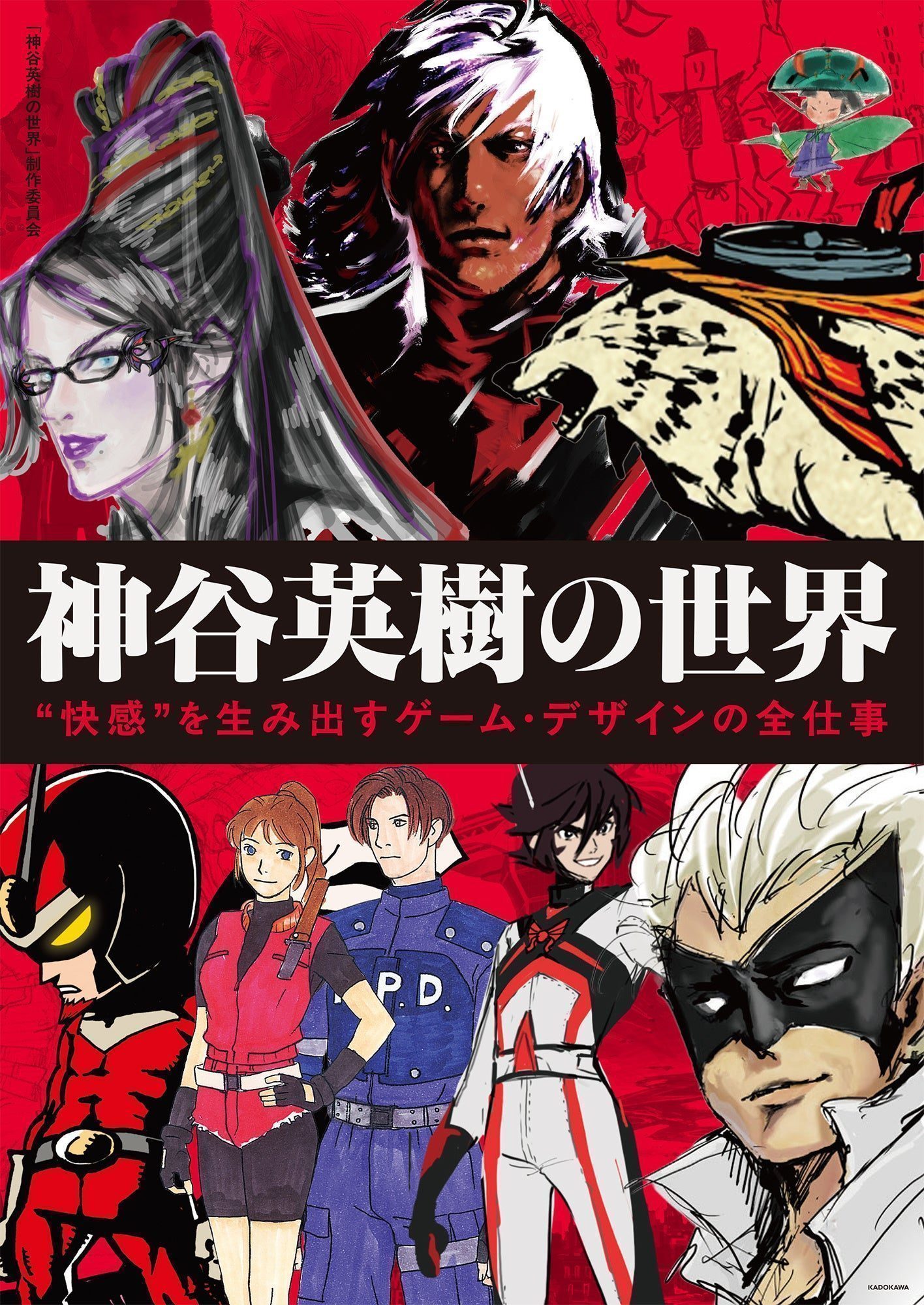
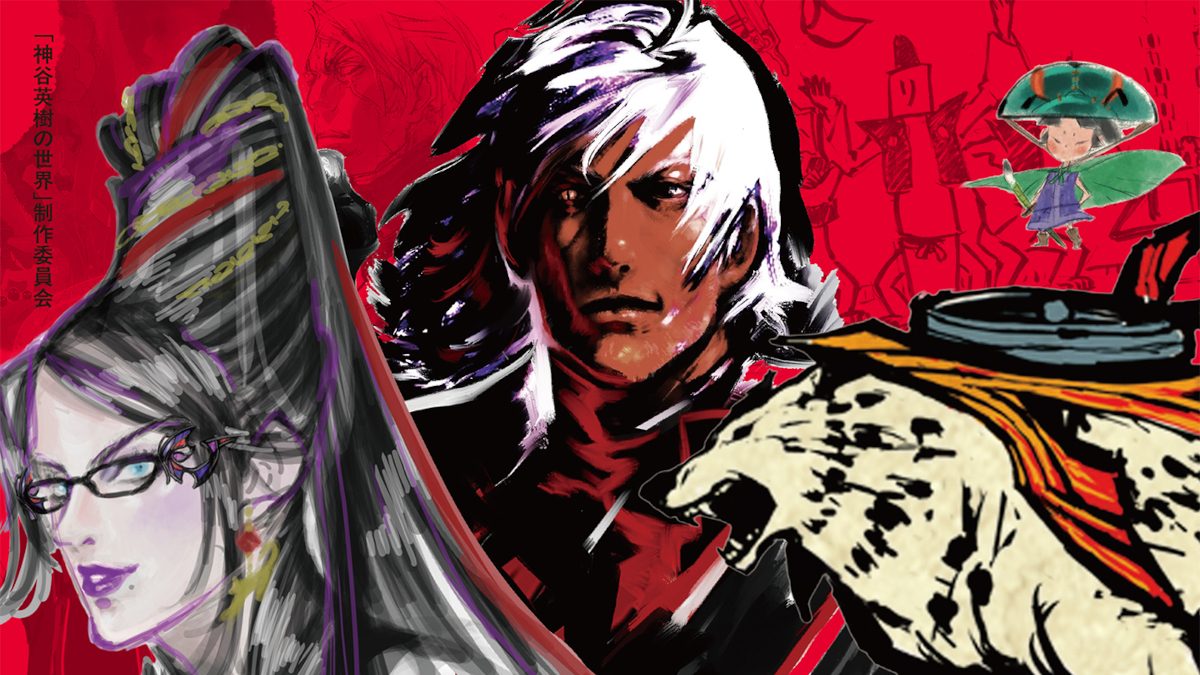 Cover: Dante, Leon, Claire, and Amaterasu sharing a frame — a career summary as roster image. The inclusion of Amaterasu is the tell: this isn't just about action games
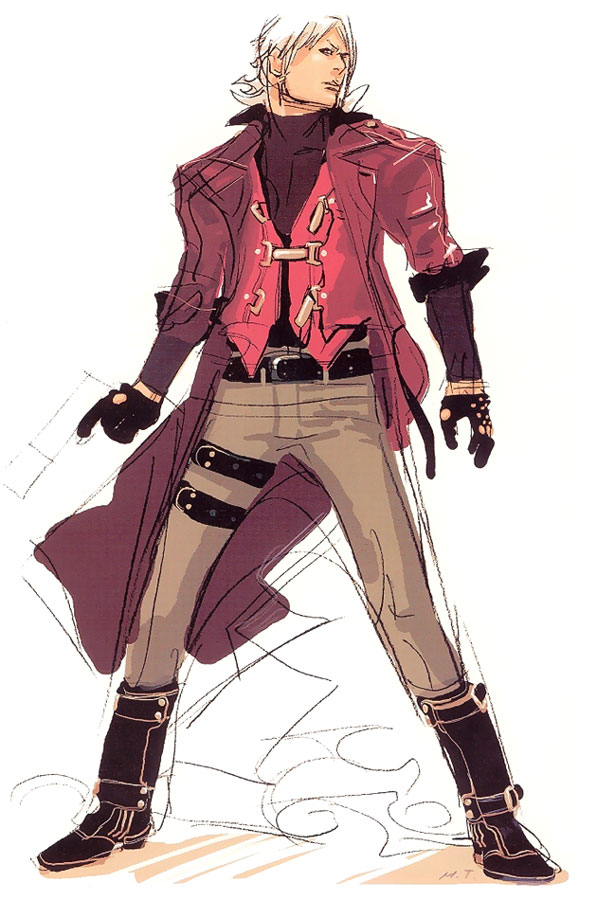 Devil May Cry concept art — the evolution from Resident Evil 4 prototype to standalone action game is one of gaming's most consequential pivots
 Okami character designs — Amaterasu's painterly mythology required a completely different visual vocabulary from Kamiya's Capcom action work
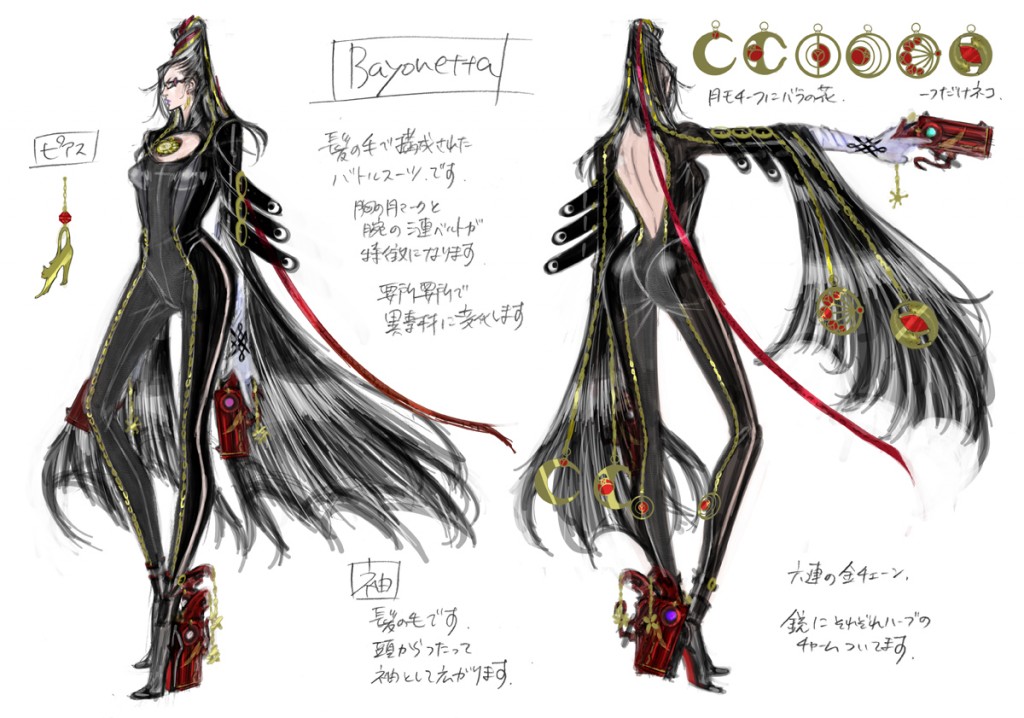 Bayonetta design iterations — frame-by-frame thinking about attack animations, enemy tells, and the relationship between visual feedback and player satisfaction
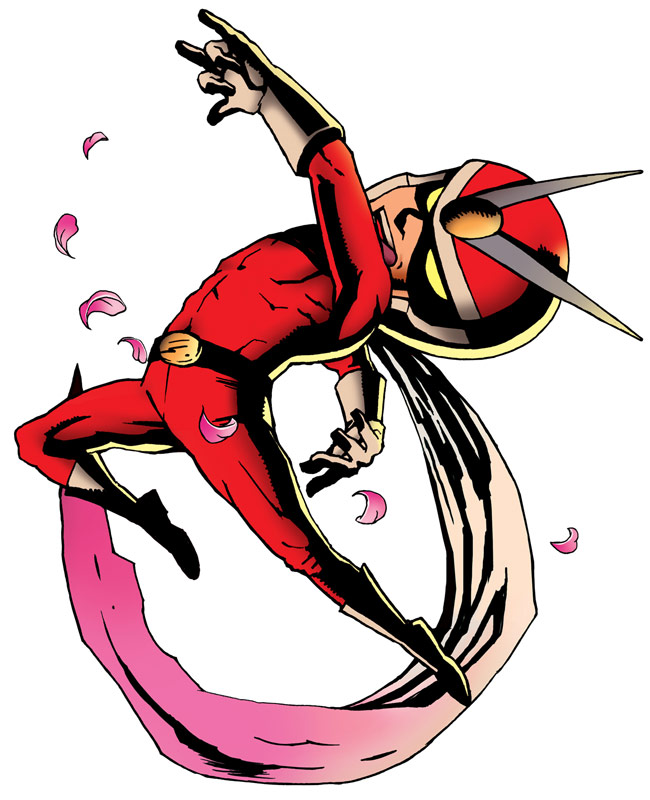 Viewtiful Joe key art — cel-shaded side-scrolling as a style exercise. Kamiya's most visually radical Capcom-era project
¥3,520 for 176 full-colour pages from Kadokawa. Physical and digital release simultaneously on April 2, 2026. 100,000+ characters of commentary text.
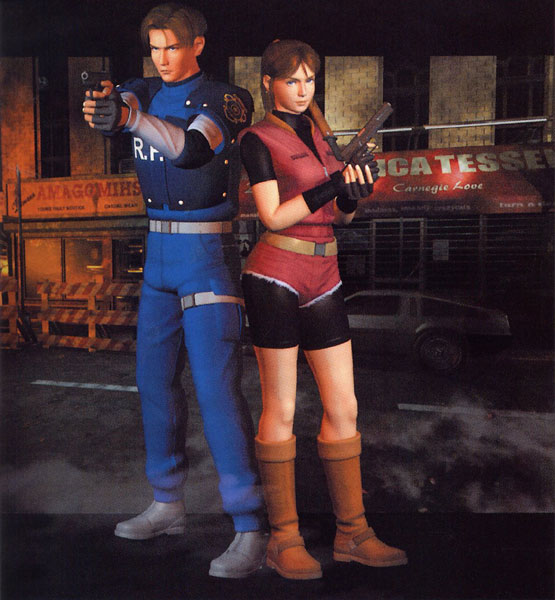 Resident Evil 2 — Leon and Claire promotional art from the game that started it all. Kamiya's directorial debut reshaped survival horror's structure
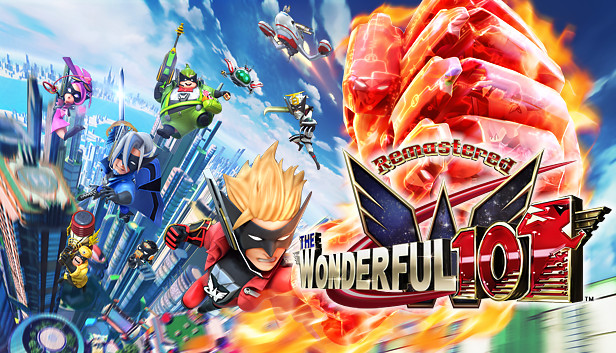 The Wonderful 101 — Kamiya's most ambitious PlatinumGames project, merging action design philosophy with mass-hero spectacle
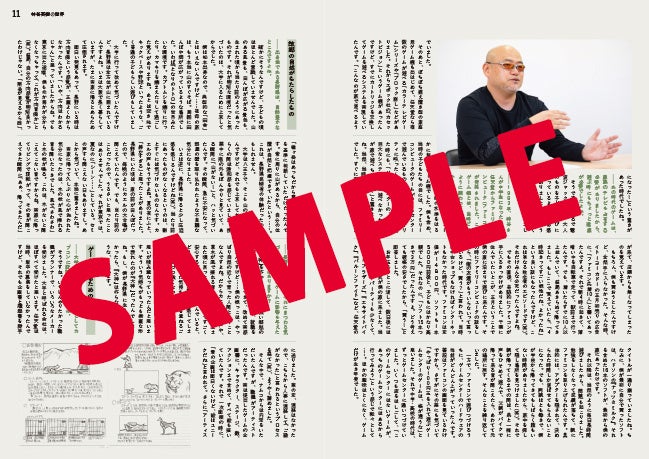 Interior preview — concept art paired with Kamiya's own first-person commentary on the design decisions behind each game
The Legacy
Five games that changed five genres. This book is the primary source for understanding the design thinking behind all of them — documented by the person who made the calls.
Hideki Kamiya has directed five of the most influential action games ever made. Resident Evil 2 codified survival horror's second act. Devil May Cry invented the character action genre. Viewtiful Joe turned side-scrolling into a style exercise. Okami proved that a Zelda-structured game could have a completely original visual identity. Bayonetta took everything DMC established and removed the remaining restraints.
Five games. Five genres reshaped. One designer's throughline connecting all of them.
On April 2, 2026, Kadokawa publishes The World of Hideki Kamiya: All Works in Game Design to Produce "Pleasant Feelings" — a 176-page, full-colour B5 volume that collects hundreds of concept art pieces and over 100,000 characters of text documenting Kamiya's design philosophy across his entire career.
What's Inside
The book spans both eras: Kamiya's Capcom period (RE2, DMC, Viewtiful Joe) and his PlatinumGames period (Bayonetta, The Wonderful 101). Each section pairs concept art with Kamiya's own commentary on the design decisions behind it — not retrospective analysis by a third party, but first-person accounts from the person who made the calls.
The concept art itself is the primary draw. Kamiya's games are defined by their visual clarity — every enemy silhouette, every attack animation, every environment is designed to communicate instantly. The pre-production art shows how that clarity was achieved: the iterations, the rejected directions, the moments where a design locked into place. For Devil May Cry specifically, the evolution from Resident Evil 4 prototype to standalone action game is one of the most consequential pivots in game history, and any visual documentation of that transition is historically significant material.
The cover features Dante, Leon, Claire, and Amaterasu sharing a single frame — a roster image that doubles as a career summary. The inclusion of Amaterasu is the tell: this isn't just about action games. It's about a designer whose range extends from survival horror to cel-shaded painterly mythology, unified by a commitment to how gameplay feels rather than what it depicts.
The In-Depth Interview
Beyond the art, the book includes an extended interview with Kamiya — described as "in-depth," which in Japanese game publishing usually means more than the standard promotional Q&A. Given that Kamiya left PlatinumGames in 2023 under circumstances that generated significant public commentary, the interview's timing is notable. This is Kamiya with the perspective of distance, looking back at a body of work from outside the studio system for the first time.
The 100,000-character text count (roughly equivalent to a 200-page novel in Japanese) suggests the book treats itself as a serious design document rather than a coffee table art dump. If the commentary has real depth — if it addresses the why behind specific design decisions rather than just the what — this could be one of the most important game design books published in recent years.
Kadokawa and the Publisher Signal
Kadokawa is a watched publisher for this site, and the reason is straightforward: when Kadokawa commits to a game-adjacent art book, the production values are reliable and the editorial framing tends toward substance over merchandising. This isn't a hastily assembled tie-in to a new release. There's no new Kamiya game to promote. The book exists because the body of work justifies it.
¥3,520 (roughly $23 USD) for 176 full-colour pages is competitive pricing for a Japanese art book of this specification. Physical and digital editions release simultaneously on April 2, 2026.
Why This Matters
The character action genre that Kamiya created is now one of the most active spaces in indie game development. Games like Hi-Fi Rush, Ultros, and Nine Sols all operate in territory that Devil May Cry staked out in 2001. But the design thinking behind those original games — the frame-by-frame decision-making about attack animations, enemy tells, and the relationship between visual feedback and player satisfaction — has never been documented at this level of specificity.
This book is the primary source. Available for pre-order through Japanese retailers. No English edition has been announced, but Kadokawa has translated comparable titles before.
- Kadokawa T1
- Siliconera T2
- Nintendo Life T2
Loading...