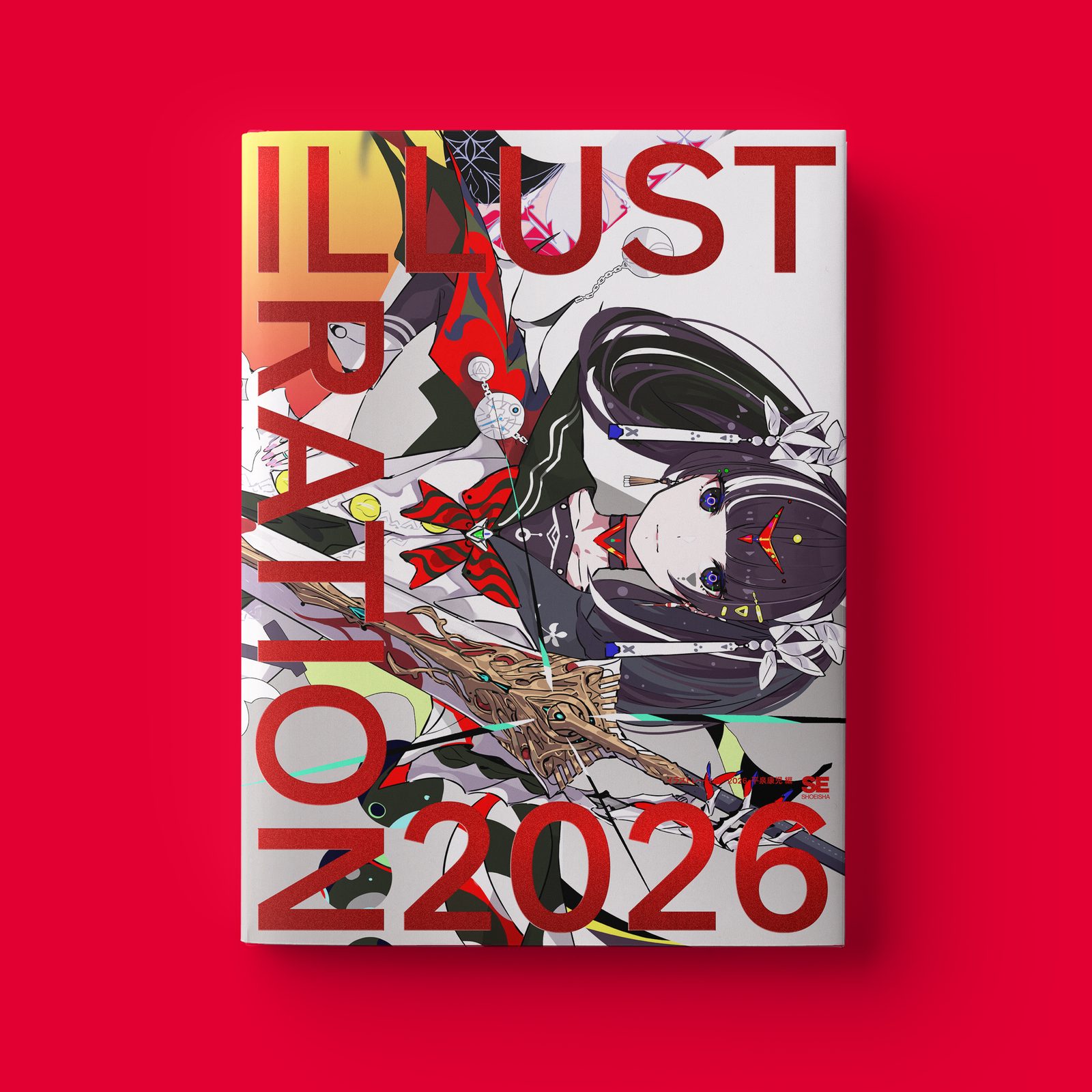
Every year, two books try to answer the same impossible question: what does Japanese illustration look like right now? ILLUSTRATION 2026 (Shoeisha, 150 artists, cover by PALOW.) and VISIONS 2026 (Kadokawa/pixiv, 170 artists, cover by Mogumo). Different publishers, different curators, zero roster overlap. Between them, 320 artists across 672 pages—the closest thing the Japanese illustration world has to an annual census.
Two Books, One Scene
ILLUSTRATION (Shoeisha) and VISIONS (Kadokawa/pixiv) are the two pillars of the annual Japanese illustration survey. Different publishers, different curators, different rosters, same purpose: a snapshot of who is drawing what, right now. Neither carries over a single artist from the previous year's edition. Between them, 320 artists — and no overlap.
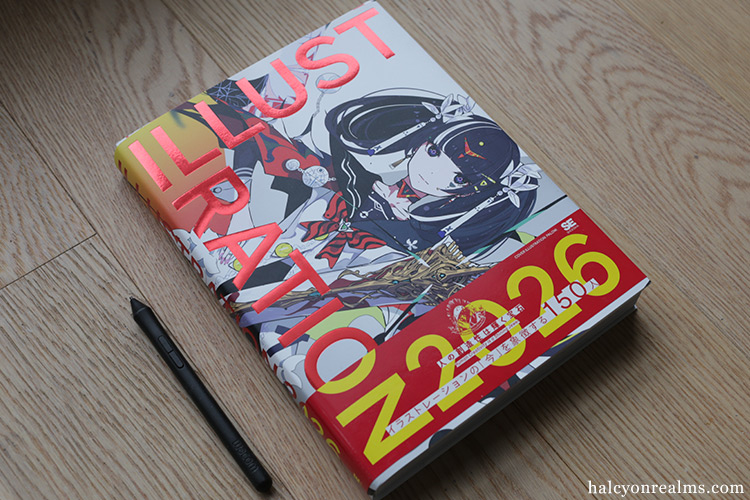 ILLUSTRATION 2026 cover by PALOW. — character designer for KAMITSUBAKI STUDIO's virtual singers KAF and RIM. Three editions: standard, alt cover (Amazon exclusive), and signed (SEshop only)
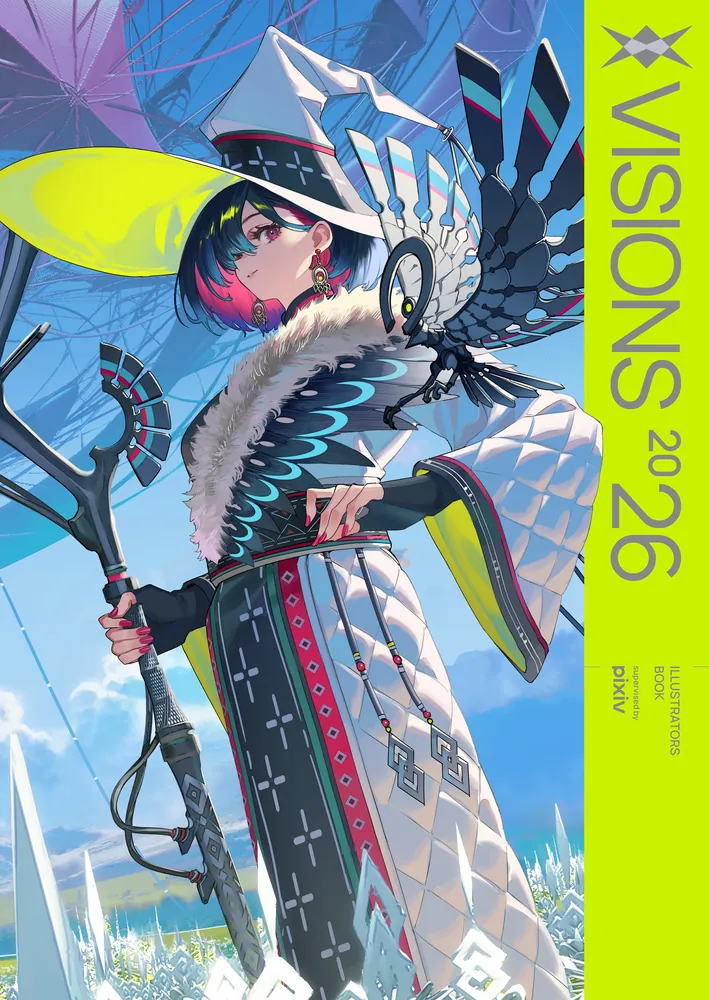 VISIONS 2026 cover by Mogumo — character designer for Mobile Suit Gundam: The Witch From Mercury. 4.9/5 stars on Amazon Japan
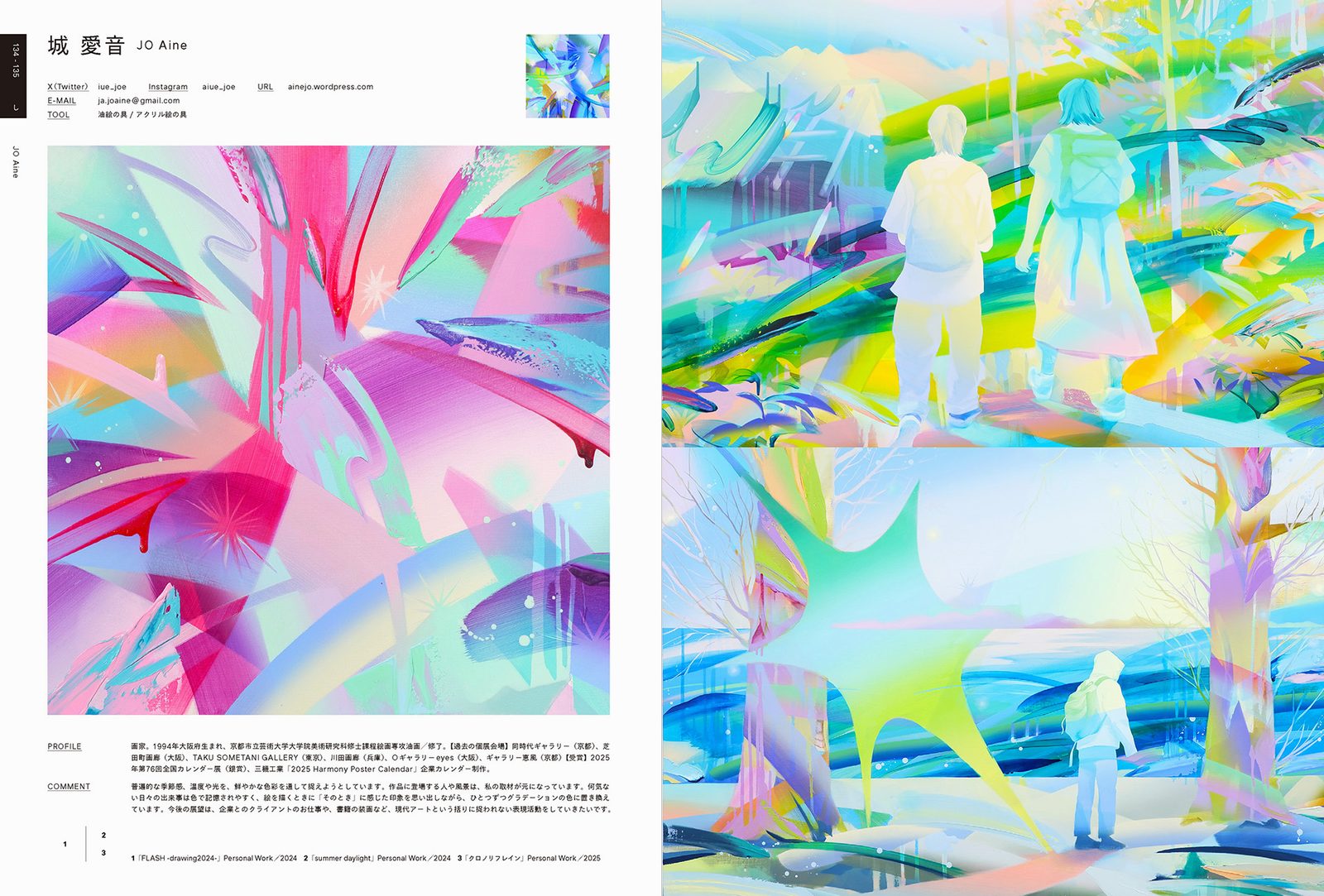
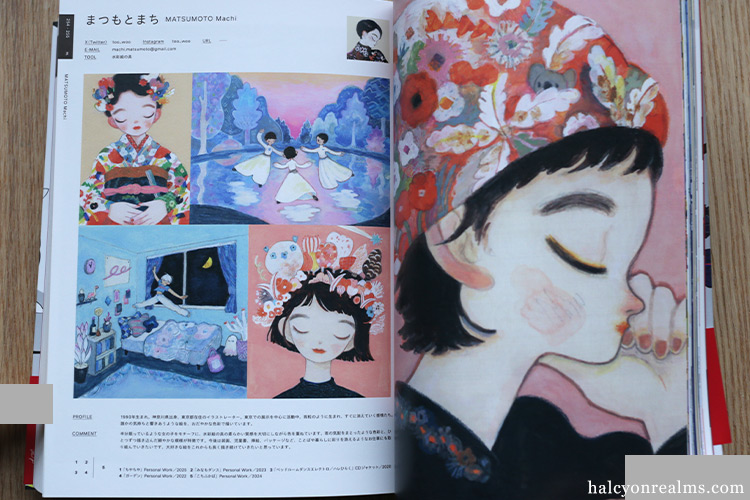
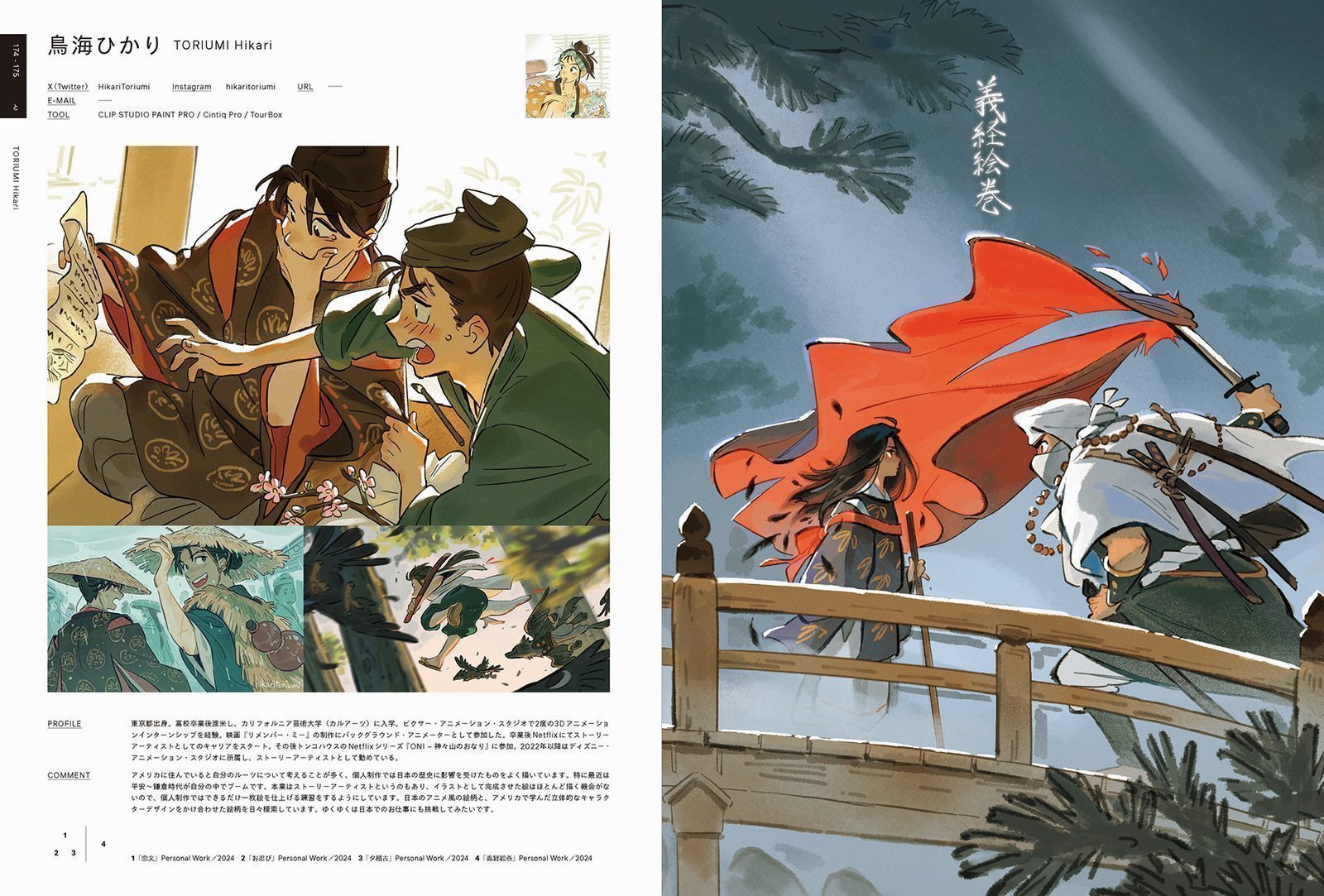 ILLUSTRATION 2026 interior — 150 artists across 320 pages, each with representative works and artist commentary. Zero carryover from 2025
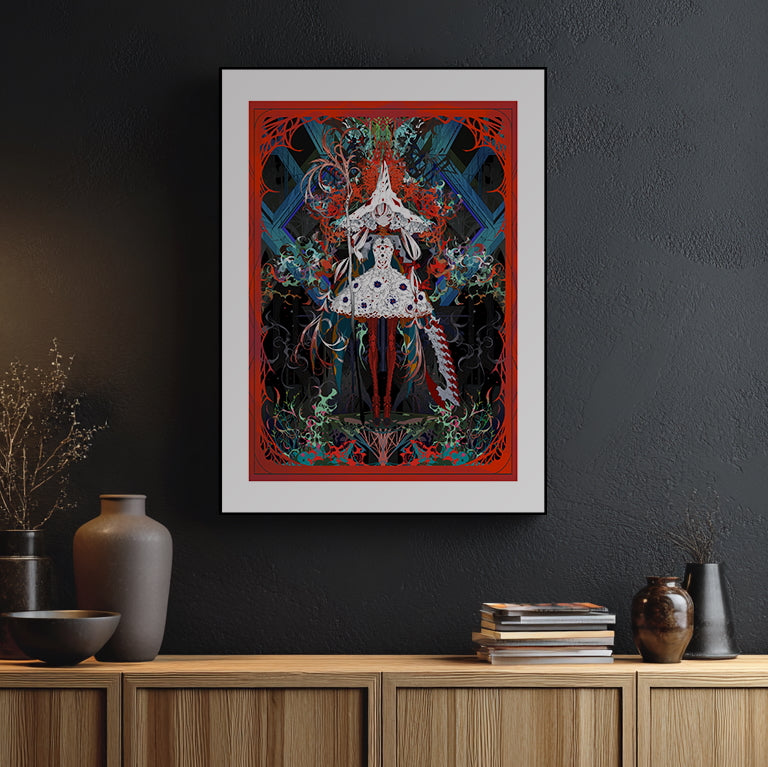 Metal Canvas Art Exhibition feat. PALOW. — UV-coated metal prints in up to 32 layers for 3D effect. Free admission, touring four cities through April
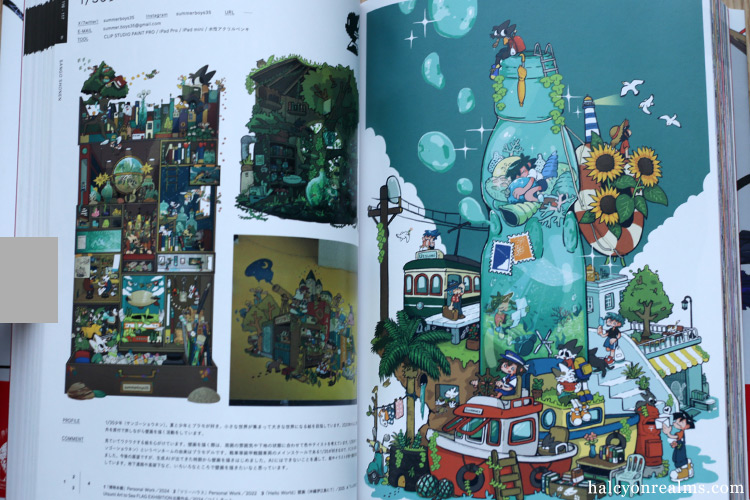 VISIONS 2026 interior — 170 pixiv-curated artists across 352 pages in Japanese, English, and Chinese. Series has sold 380,000+ copies worldwide
Together, these books function as the closest thing the Japanese illustration world has to an annual census. If you want to understand what the scene looks like in 2026 — who's rising, what styles are trending, which aesthetics have peaked — these are your primary sources.
 Three special interviews: Xin-Woo Chae (Another Eden designer), Hide Horiuchi (art director at .MP), and a PALOW. x book designer Arima dialogue
 Mogumo making-of section — discusses designing silhouettes 'simple enough for children to understand, satisfying enough for adults'
Every year, two books try to answer the same impossible question: what does Japanese illustration look like right now?
ILLUSTRATION 2026 (Shoeisha, ¥3,300, 320 pages, December 8, 2025) selects 150 artists. VISIONS 2026 (Kadokawa/pixiv, ¥3,080, 352 pages, September 19, 2025) selects 170. Neither carries a single artist from its previous edition. Between them, 320 artists — and the publishers don't coordinate, so the overlap between the two books is whatever coincidence provides. If you want the most comprehensive survey of who is drawing what in the Japanese illustration world, you buy both.
This is not a controversial position. Reviewers who've tracked these annuals for years — the Halcyon Realms reviewer, who works as a lighting TD at Industrial Light & Magic and has followed the ILLUSTRATION series since 2016, called the 2026 edition "the best way to catch up with the latest trending illustrators working in Japan." Kinokuniya USA described VISIONS as "an art gallery you can hold in your hands." Amazon Japan readers gave VISIONS 2026 a 4.9 out of 5 across 20 reviews. The books do what they promise, and they promise the right thing.
ILLUSTRATION 2026: The Shoeisha Edition
Cover by PALOW., a character designer from Fukuoka Prefecture who designed the virtual singers KAF and RIM for KAMITSUBAKI STUDIO. Three editions were produced: standard (all retailers), an alternative cover exclusive to Amazon and Shoeisha's direct store, and a signed edition (SEshop only, limited quantity). The interior profiles 150 illustrators with representative works and artist commentary, organised in Japanese alphabetical order.
The 2026 tagline — "Human creativity is a brilliant jewel" — reads as a quiet positioning statement in a year where the AI-generated art conversation continues to dominate illustration discourse. The book doesn't engage with that conversation directly, but the tagline and the zero-carryover roster policy both emphasise the same thing: these are individual humans with individual practices, selected because their work demonstrates something that roster algorithms and diffusion models don't produce.
Three special interviews provide editorial depth: Xin-Woo Chae (character designer for the smartphone RPG Another Eden) discusses illustration from a design perspective. Hide Horiuchi (art director at .MP) addresses current trends. PALOW. and book designer Tomoyuki Arima have a dialogue about the cover creation process that doubles as a window into how commercial illustration commissions actually work.
A Metal Canvas Art Exhibition is touring four cities to mark the book's release, using a proprietary UV-coating technique that renders 2D digital art onto metal canvases in up to 32 layers for a three-dimensional effect. Tokyo ran December 5-26; Fukuoka January 16-25; Osaka runs February 12-15; Nagoya is scheduled for April. Admission is free. The physical exhibition of digital illustration is itself a signal worth noting — it represents a publisher investing in making screen-native art into a gallery experience.
VISIONS 2026: The Kadokawa/pixiv Edition
Cover by Mogumo, whose character design work for Mobile Suit Gundam: The Witch From Mercury established a design philosophy that prizes simplicity and timelessness: silhouettes "simple enough for even small children to understand, but satisfying enough for adults." The making-of section in the book documents the cover's creation process and includes a Mogumo interview about design philosophy — including their interest in VR fashion and the idea of humans evolving into "monsters" in virtual space.
VISIONS is editorially supervised by pixiv, which gives it access to platform analytics that no other illustration annual can match. pixiv sees what's trending, who's gaining followers, which styles are generating engagement across the world's largest Japanese illustration platform. The selection methodology isn't publicly documented — whether it's pure editorial judgment, algorithmically informed, or both — but the platform's data depth means the curation carries a different kind of authority than traditional editorial selection.
170 artists contribute both representative works and new pieces created specifically for the book. Publication is trilingual (Japanese, English, Chinese), reflecting the series' international distribution — 380,000+ copies sold worldwide across six editions. The VISIONS series has also spawned a spin-off, VISIONS EDGE: EVIL & POWER, which pushes into darker, more aggressive illustration aesthetics.
Why Both
The obvious question: why buy two illustration annuals that cover the same scene? The answer is that they don't cover the same scene. They cover the same medium from different curatorial positions.
ILLUSTRATION is editor-curated with no declared platform affiliation. Its selections tend toward working professionals — character designers, art directors, commercial illustrators with client portfolios. The interviews skew toward the craft and business of illustration.
VISIONS is pixiv-curated, which means it inherits the platform's biases: a tilt toward trending digital illustration styles, fan-art-adjacent aesthetics, and the specific visual language that thrives in social media illustration ecosystems. This isn't a weakness — it's a perspective. VISIONS captures the temperature of illustration-as-conversation in a way that editorially curated selections sometimes miss.
Together, they triangulate. The professionals and the populists. The established and the emerging. The artists making work for clients and the artists making work for followers. The overlap between the two books tells you who has crossover credibility. The non-overlap tells you where each curatorial lens sees the edges of the scene differently.
At ¥3,300 and ¥3,080 respectively, the combined cost is less than a single mid-tier art book. For the scope — 320 artists, 672 pages, zero roster repetition — the value proposition is difficult to argue with. These are reference volumes that function as discovery engines. Every year, collectors and working illustrators find new names in these pages that reshape their understanding of what the scene is doing. The 2026 editions are no different.
Both available now through Japanese retailers and international import via CDJapan, Kinokuniya USA, and Amazon Japan.
- Shoeisha T1
- Kadokawa T1
- Halcyon Realms Review T2
- Kinokuniya USA T2
- CDJapan — VISIONS 2026 T2
Loading...