There is a capsule toy of a Japanese vending machine. Four centimetres tall. The coin slot is moulded. The product window shows bottles with legible labels. The retrieval door opens. It costs ¥300 from a gashapon machine that is, itself, a vending machine.
The miniature food genre alone — tiny ramen, tiny bento, tiny convenience store onigiri — sustains multiple product lines. These aren’t stylised. They’re 1/12 scale reproductions with painted broth, moulded noodles, printed wrapper text. Disposable price. Museum detail.
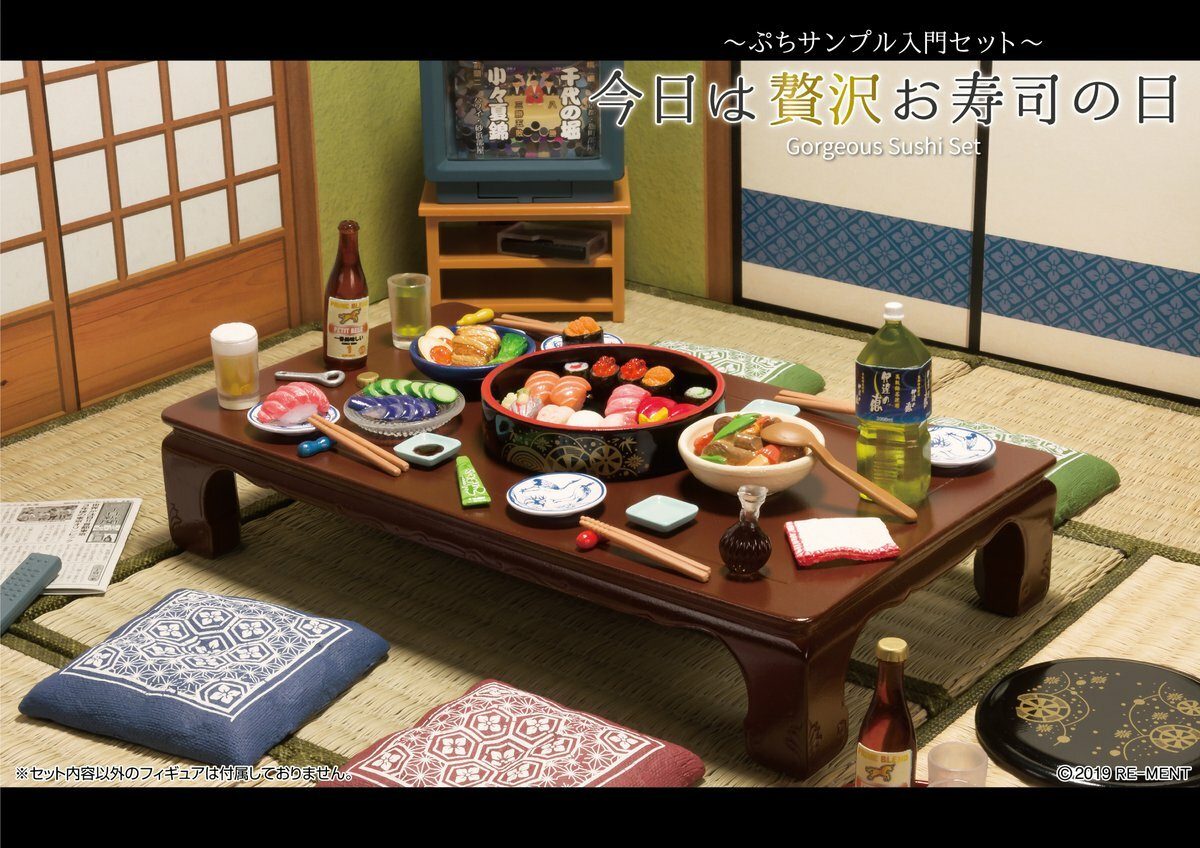
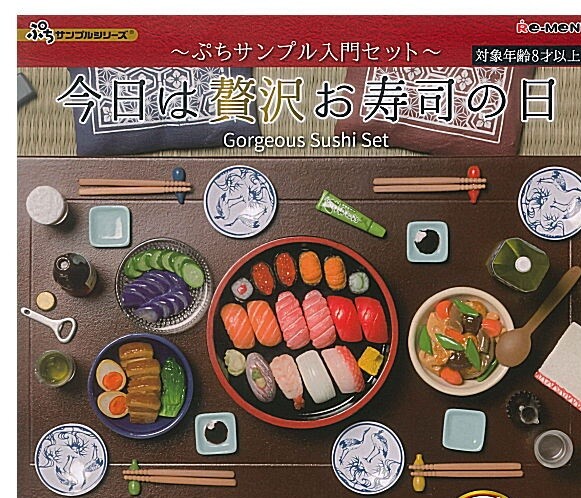 Japanese miniature food gashapon — ramen, sushi, bento boxes at 1/12 scale. The paint detail on the nori and the gloss on the broth are intentional. This is craft
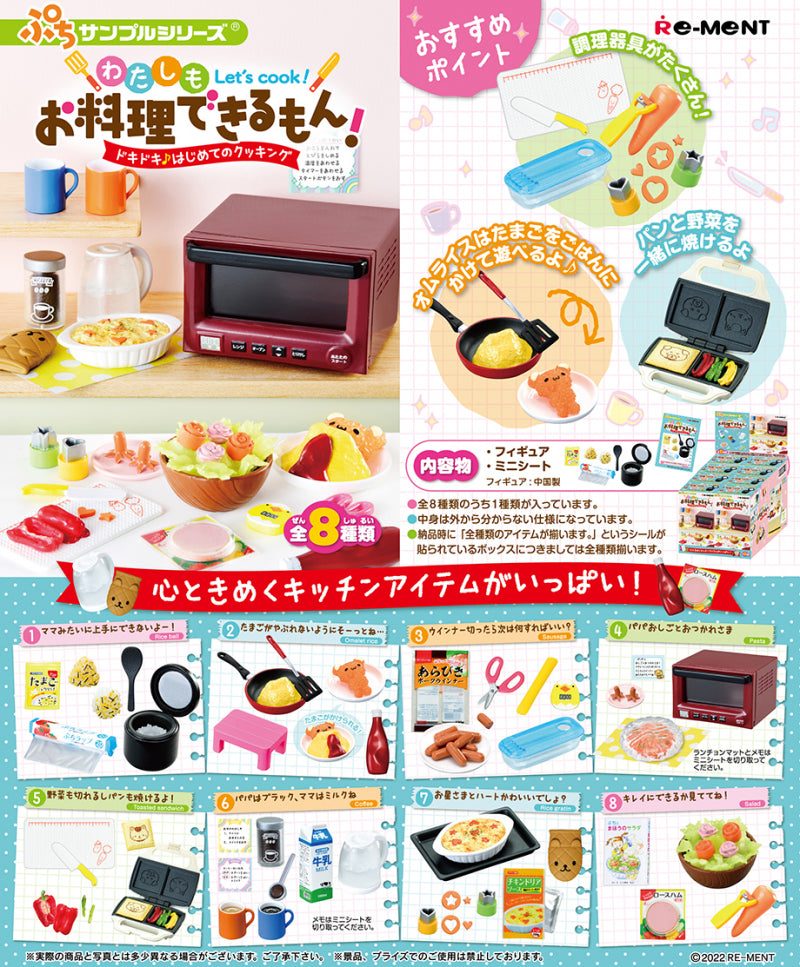 Re-Ment miniature kitchen set — each piece sold separately via blind box. Collectors assemble complete scenes over multiple purchases. The scale consistency is remarkable
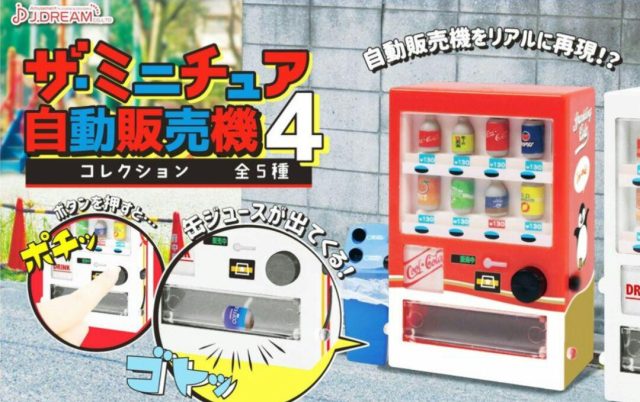 Miniature vending machine gashapon — a capsule toy of a capsule toy dispenser's neighbour. The bottles inside have legible labels. The coin slot is moulded. Japan miniaturising itself
Three producers dominate. Re-Ment is the premium tier — blind-box format, ¥500-800, themed sets covering kitchens, bakeries, convenience stores. Scale consistency across sets lets collectors build cohesive scenes. A kitchen counter from one set matches a refrigerator from another.
Bandai operates gashapon at ¥200-500. Their advantage is distribution: miniatures sit in the same department-store machine walls as character figures. A tourist who came for Pokémon encounters a miniature gas station sign and turns the dial.
Kenelephant does licensed brand reproductions — specific snack packages, specific drink brands, legally licensed at 1/12 scale. A miniature that looks like someone used a shrink ray on the real product.
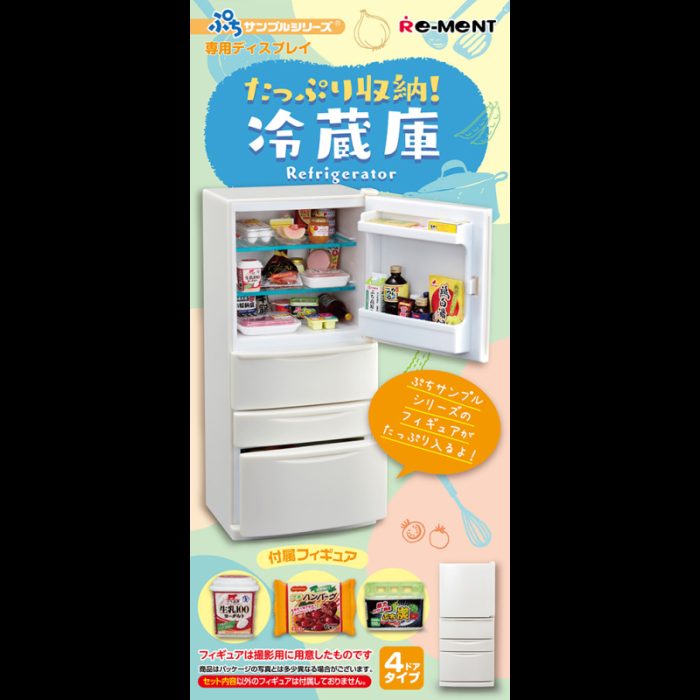 Miniature household appliances — washing machines, rice cookers, air conditioners. Functional doors that open. Removable parts. Engineering at capsule scale
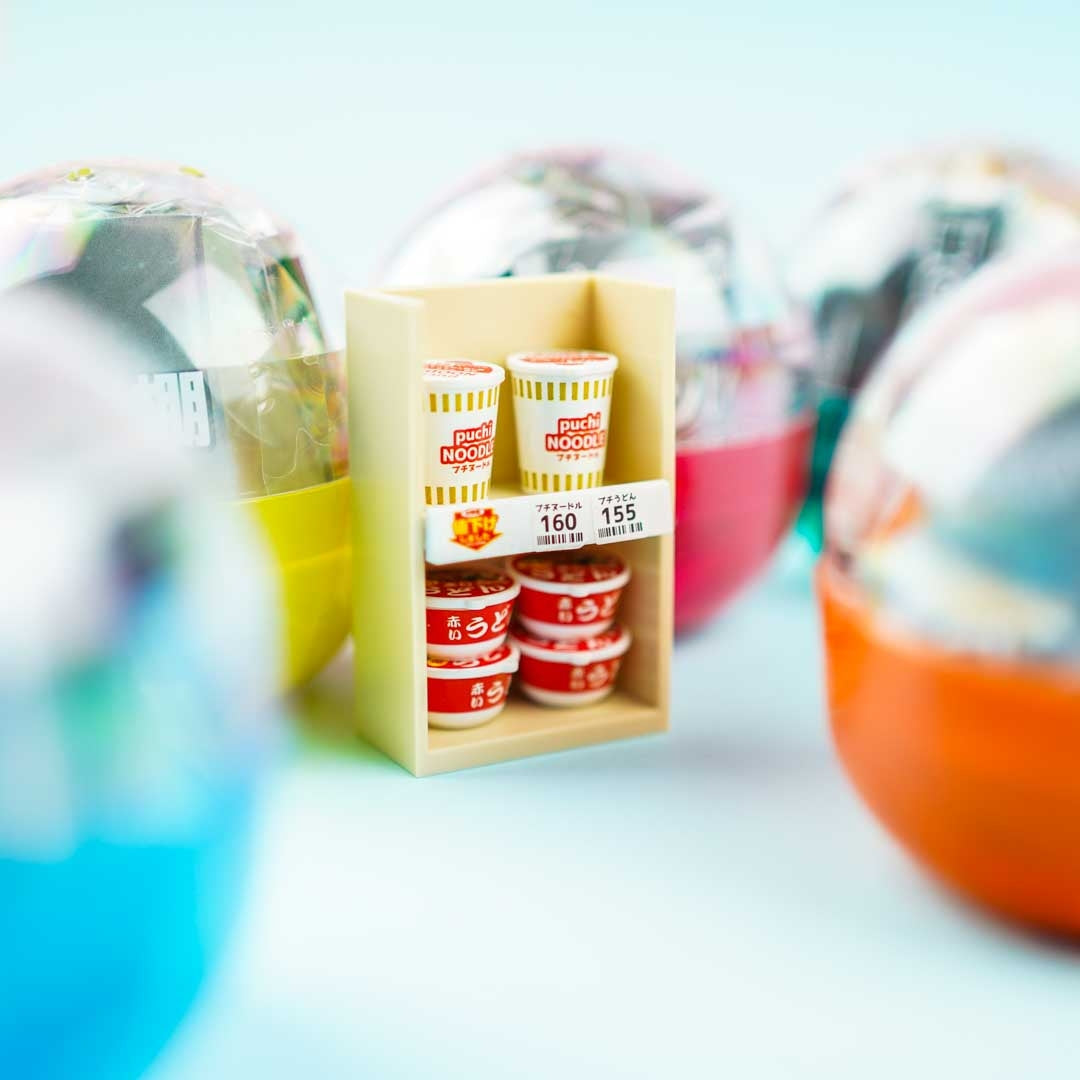 Kenelephant miniature convenience store shelf — the onigiri have printed labels, the drink bottles have brand-accurate caps. 1/12 scale retail archaeology
What separates these from Western miniatures is the accuracy imperative. A miniature ramen bowl has correct broth colour, individual noodle strands, painted chashu glaze. A Kenelephant washing machine has an opening door, a removable lint trap, a printed control panel — at four centimetres tall.
Japanese consumers demand it. Forum posts critique incorrect wrapper colours. Inaccurate vending machine buttons get photographed, circled, posted. The quality floor is set by consumer expectation, and that expectation is remarkably high.
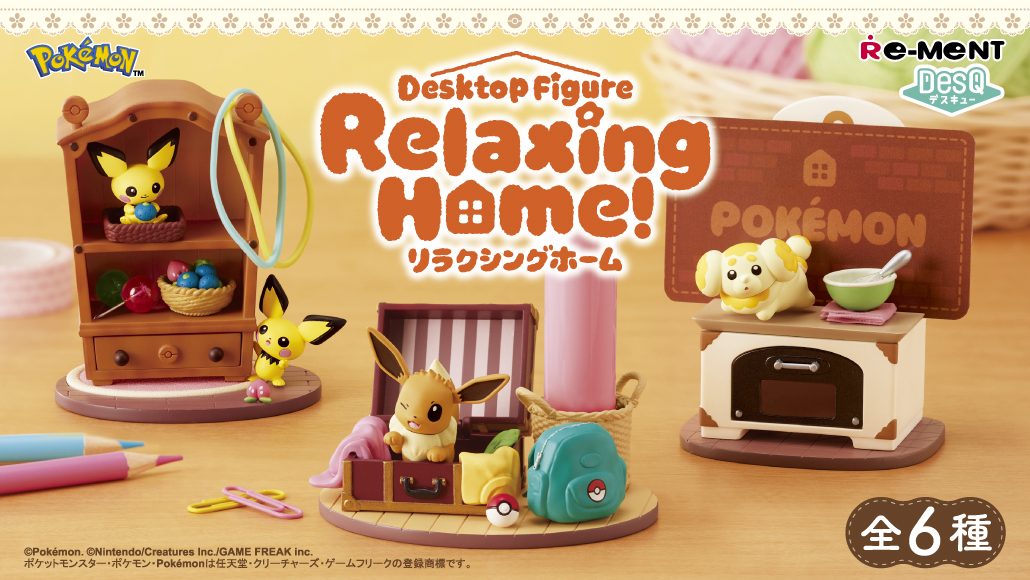 Collector diorama assembled from multiple miniature gashapon sets — the scale consistency across brands makes cross-set scenes possible. A hobby within a hobby
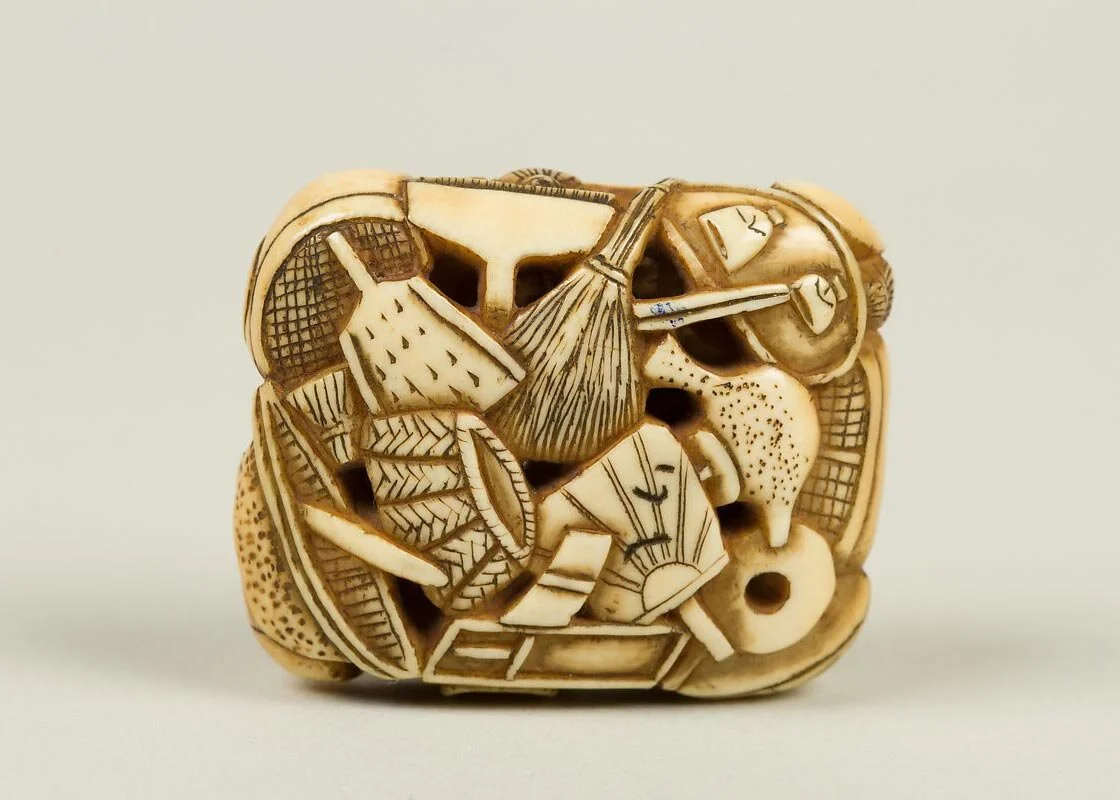 Edo-period netsuke alongside modern gashapon miniatures — different centuries, same impulse. The obsessive reproduction of the everyday world at impossibly small scale
The collector ecosystem feeds a secondary hobby: miniature scene building. Dioramas assembled from across multiple sets and manufacturers, using macro photography to create the illusion of full-scale rooms. Gashapon miniatures at ¥300-800 are cheaper than purpose-built dollhouse furniture, and the quality handles serious use.
Japan has been making perfect tiny things for centuries — netsuke, bonsai, hakoniwa. The impulse to reproduce the world in miniature at obsessive scale is old. Gashapon miniatures are its most democratic expression: the same accuracy, dispensed from a vending machine for ¥300.
In a capsule toy market dominated by character figures, miniatures are the other tradition — the one that cares about the object itself rather than the IP attached to it. A miniature ramen bowl doesn't need an anime tie-in. It justifies itself by being a perfect tiny version of something real. The category keeps growing because the impulse it serves — reproduce the everyday world at impossible scale, get every detail right — turns out to be universal. The cultural context is Japanese. The appeal isn't.
Available at gashapon machines nationwide, Re-Ment at hobby shops and Amazon Japan, Kenelephant at select retailers. International: AmiAmi, HLJ, and proxy services.
Loading...