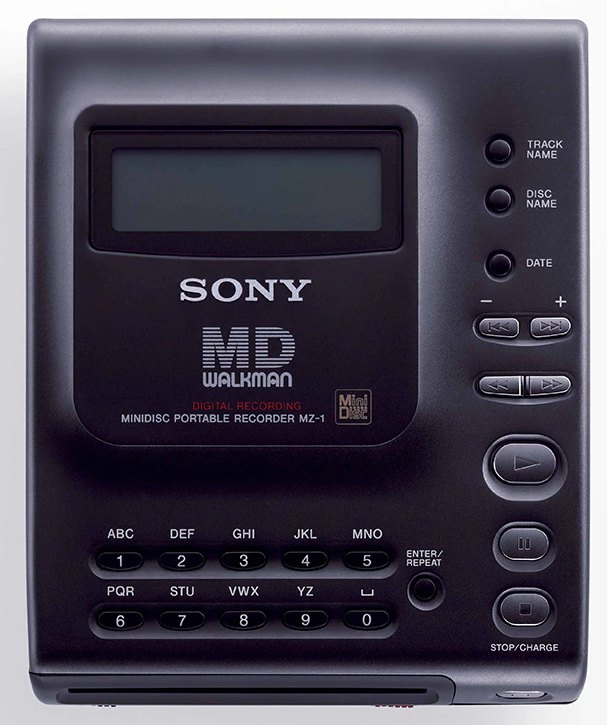
MiniDisc did not fail because it was worse than CDs or MP3s. It failed because it solved a problem the rest of the world decided to ignore.
It launched in 1992 with specifications that looked like compromises. Limited storage — 60 to 80 minutes on ATRAC compression. Proprietary cartridge. Real-time recording only. Track-level editing via jog dial. None were oversights. Limited storage meant you chose what to record. The cartridge survived coat pockets and Tokyo summers. Real-time recording meant you listened while capturing — recording was itself an act of attention.
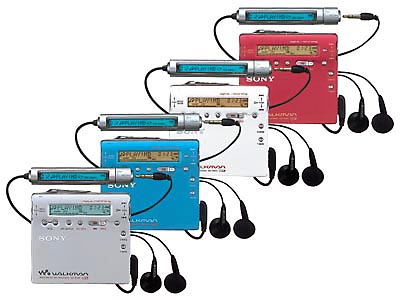 Sony MZ-R900 in four colours with earphones — portable recording designed to be carried. The format assumed you would take it on a train, into a pocket, through a commute
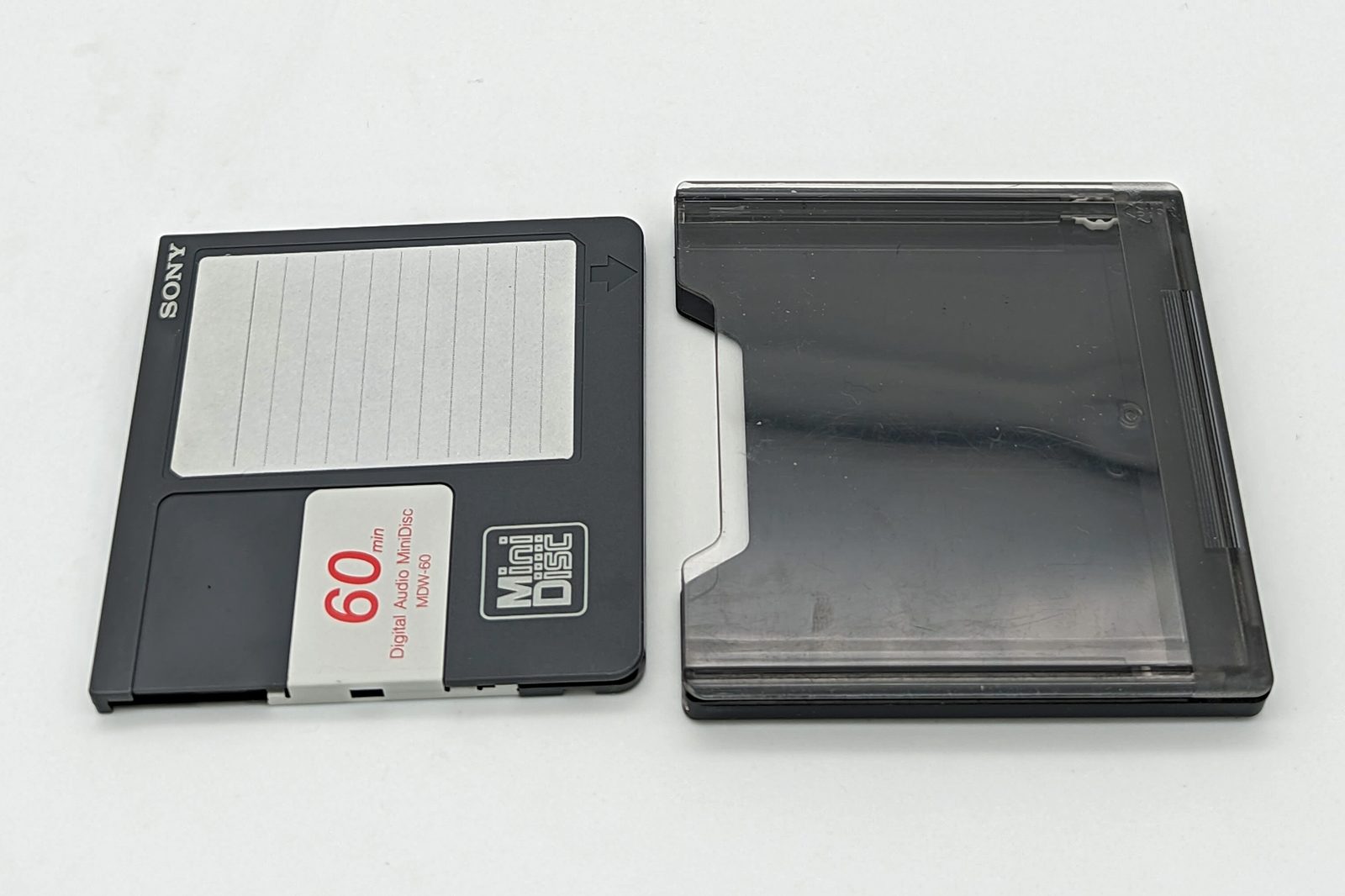 Sony MDW-60 MiniDisc and case — the cartridge shell borrowed from 3.5-inch floppy logic. Physical protection mattered more than capacity
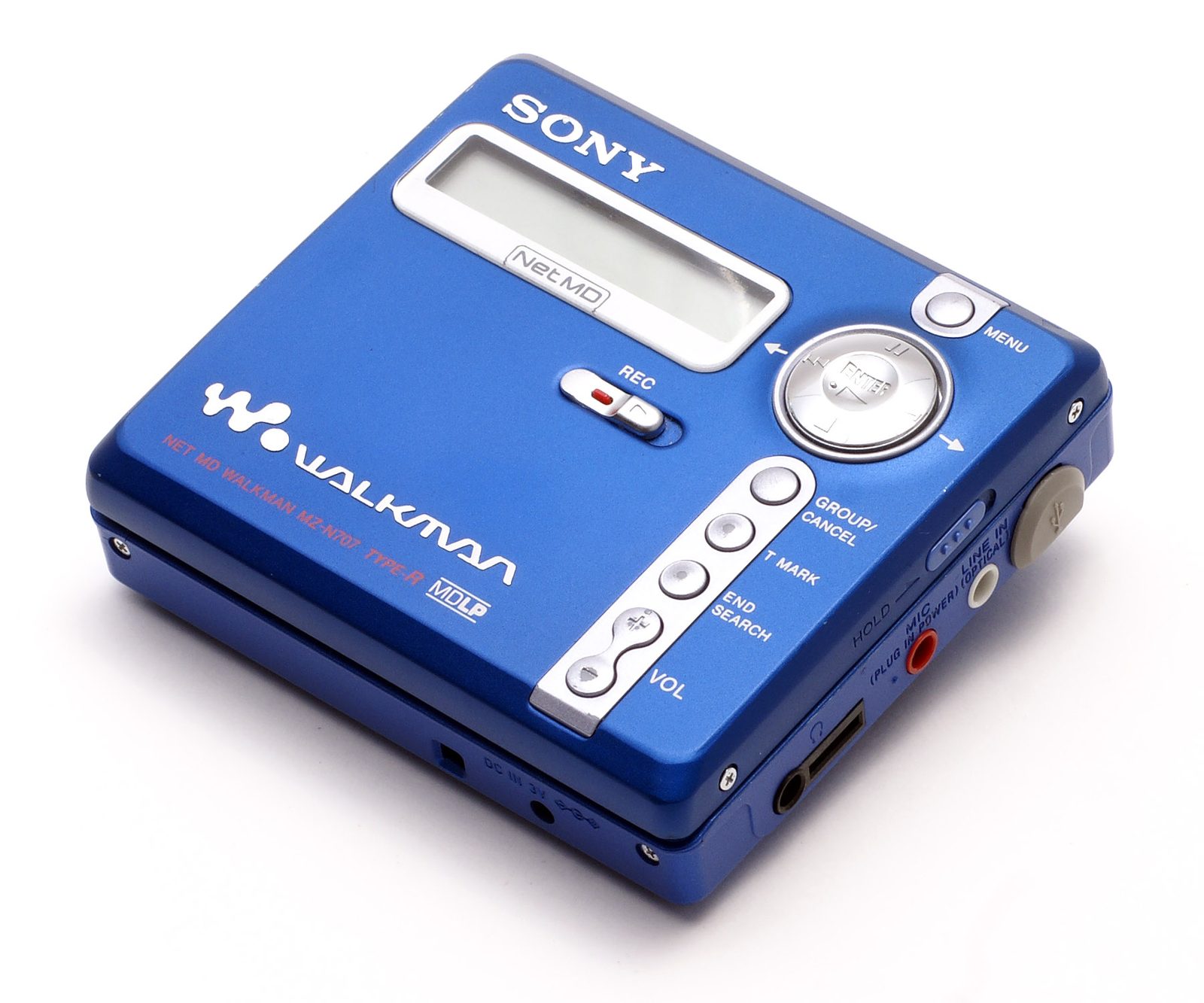 Sony MZ-N707 Net MD Walkman — where hardware ritual met USB transfer. NetMD didn't save MiniDisc. It surfaced the contradiction: remove the friction and you remove the reason
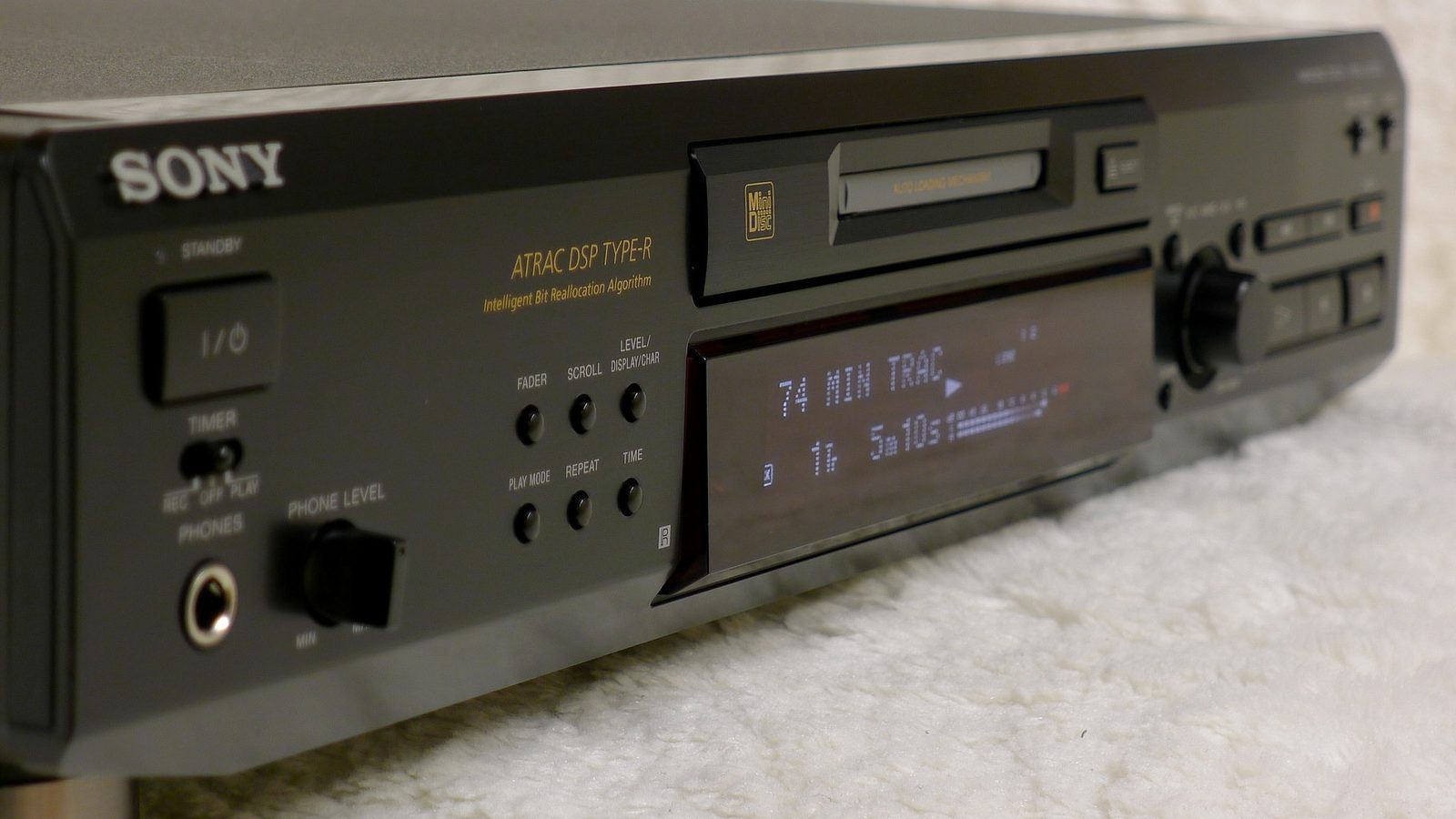 Sony MDS component deck with ATRAC DSP TYPE-R — the home recording backbone. Timer recording from radio, track splitting, disc labelling. The format served an existing habit
In early-1990s Japan, FM radio was appointment listening. People recorded broadcasts onto MiniDisc with the care Westerners reserved for mixtapes — but where mixtapes were social objects, Japanese recordings were personal archives. Record from the radio. Label the disc. Carry one for the commute.
Japan’s train culture reinforced it: skip-free playback from a shock-resistant cartridge, small enough for a suit pocket, on commutes long enough to finish a disc. The format didn’t create the behavior. It served it.
MP3 removed friction at every point MiniDisc had deliberately introduced it. Unlimited storage. Instant transfer. No physical object. The workflow MiniDisc valued — choose, record, label, curate — became optional, then forgotten.
People buying MiniDisc equipment in 2026 aren’t chasing sound quality. They’re buying attention infrastructure. Eighty minutes. You choose what goes on it. No algorithmic suggestion. No infinite scroll. Blank discs are still manufactured. Secondhand players are rising in price — not collector speculation, but functional demand from people who want to use them.
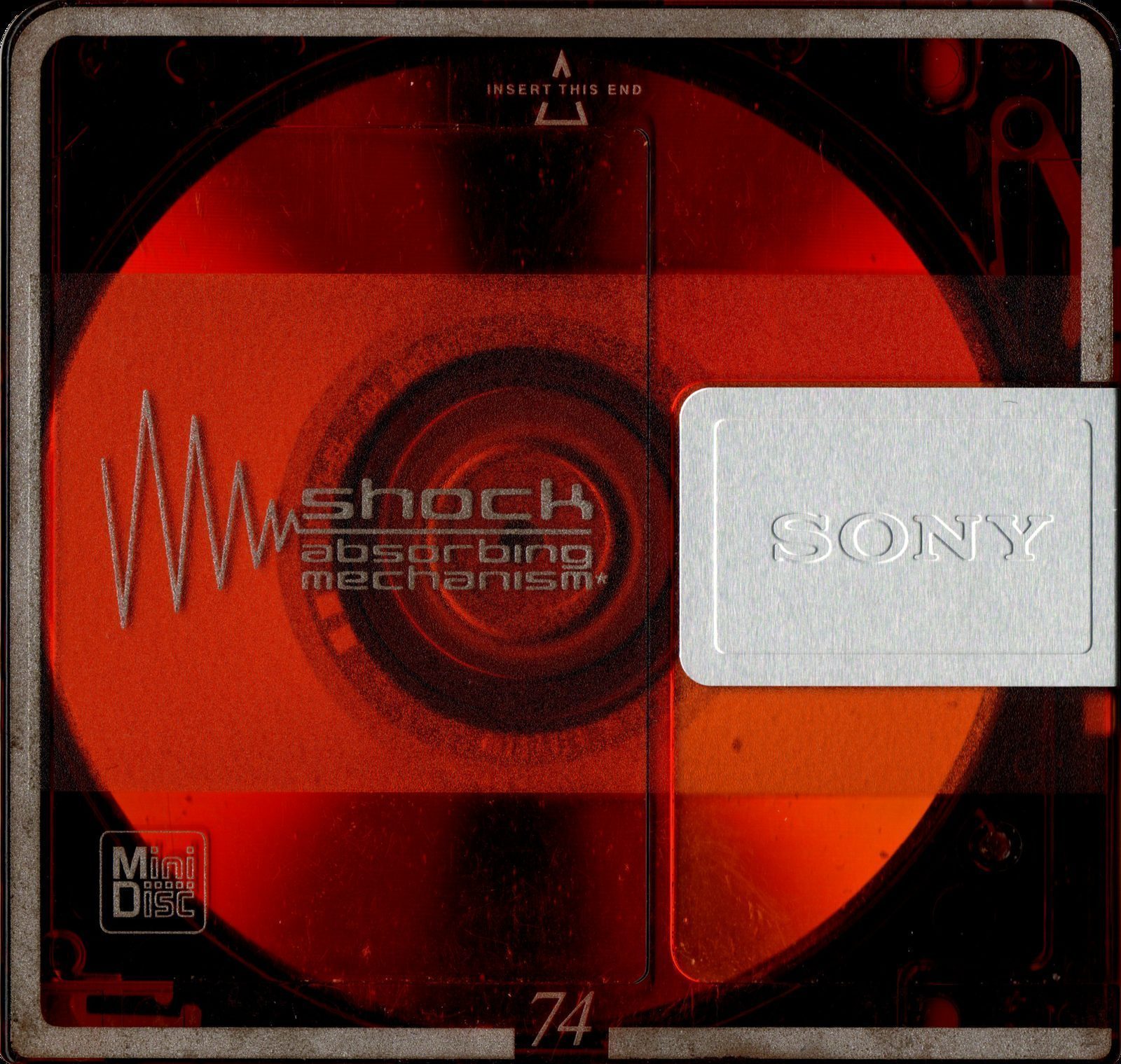 Sony 74-minute MiniDisc — the red optical disc visible through the transparent cartridge shell. 'Shock absorbing mechanism' printed on the case. Still manufactured, still used
Cassette culture revival, field recording, portable DAC obsession, physical media minimalism — the principle is the same everywhere. Constraints as value. Friction as attention. MiniDisc solved a problem. The problem didn't go away.
Available secondhand via eBay and Yahoo Auctions Japan. Blank discs still manufactured by Sony.
Loading...