
The Archive Project
Iwanami Shoten's unprecedented publication: the complete visualization of how Miyazaki thinks. Working drawings, layout sketches, color studies — the thinking made visible.
 Vol. 1: Nausicaa of the Valley of the Wind — where the series begins
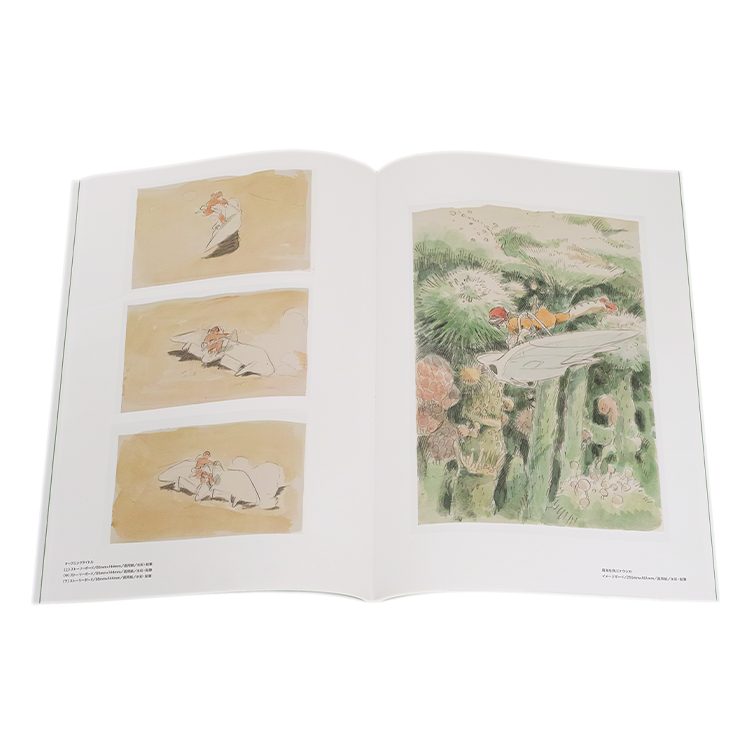 Interior spread — concept art revealing Miyazaki's visual thinking process
 Vol. 2: Castle in the Sky — architectural imagination in two dimensions
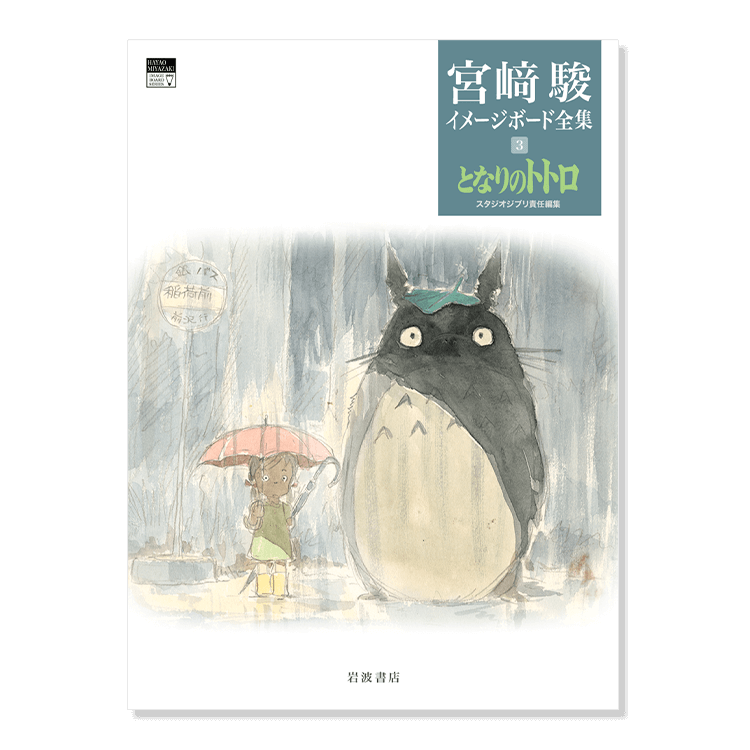 Vol. 3: My Neighbor Totoro — natural world rendered in concept form
Each volume ¥4,200-4,800. Limited print runs. This is premium collectible — documentation of creative process at professional mastery level.
 Totoro interior spread — the bridge between idea and execution
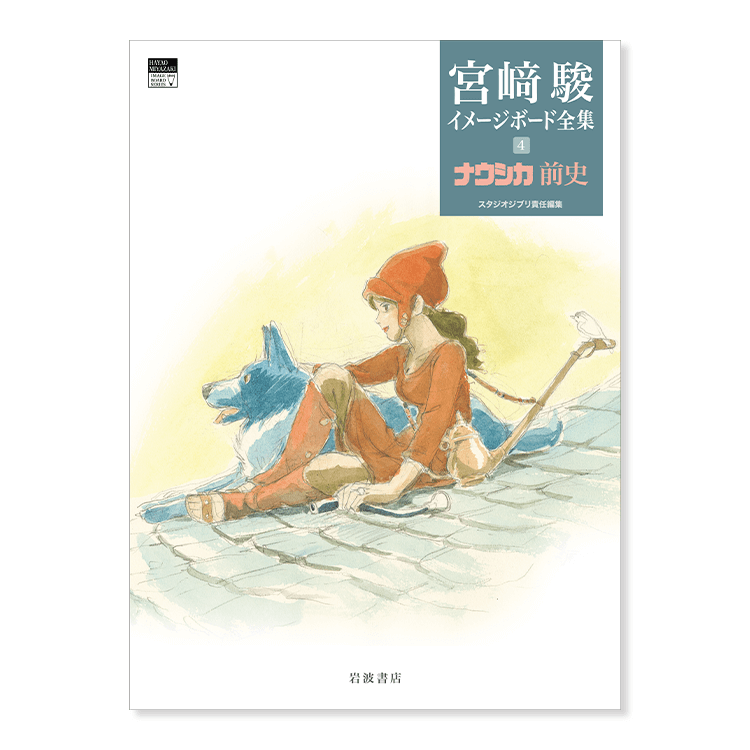 Vol. 4: Nausicaa Prehistory — earliest conceptual explorations
The Archive Project
In December 2024, Iwanami Shoten began releasing The Complete Animation Concept Art of Hayao Miyazaki. The project aims for 16+ volumes, each covering specific films or production periods. This is unprecedented: the complete visualization of how one animator thinks.
These aren't finished illustrations. They're working drawings, layout sketches, color studies, character iteration—the thinking made visible. Miyazaki's process involves extensive drawing before animation begins. The volumes publish that process entirely.
Design Thinking as Collectible Content
Animation concept art occupies a strange position in collector culture. It's not illustration (though it uses illustration techniques). It's not fine art (though it functions as visual research). It's the bridge between idea and execution.
Miyazaki's concept work reveals something fundamental about his visual philosophy: constraint-driven design. Every drawing serves function. Color palettes emerge from narrative logic. Spatial composition reflects character psychology. This isn't decoration over story—it's thinking made visible.
Each volume: ¥4,200-4,800 (~$30-34). Slipcase packaging expected. Limited print runs likely (common for Japanese art book publishing). This positions it as premium collectible rather than mass-market artbook.
The Preservation Argument
Studio Ghibli has completed its theatrical release cycle. No new films are in development. The studio exists in archival mode. Publishing complete concept art is preservation: it makes visible the thinking that created the films.
For collectors, this represents something beyond nostalgia. It's documentation of creative process. The books exist not to celebrate finished films but to reveal how those films were thought.
This is valuable for designers, animators, students—anyone trying to understand visual thinking at professional mastery level.
What Makes This Editorial Gold
Miyazaki is in Monozuki's Artist Watchlist (memory notes). This publication is the major 2026 event for his creative legacy. It's not a retrospective exhibition or biography—it's primary source documentation of animation philosophy.
The editorial angle: How do you preserve and share creative thinking in physical form? How does publishing concept art differ from publishing finished work? What does it mean that this archive exists now, after the studio's major production period has ended?
The Collector's Timeline
Volumes released monthly or quarterly through 2026-2027. Early volumes focus on Nausicaä through Spirited Away era. Later volumes will cover post-2000 work (Howl's Moving Castle, Ponyo, The Wind Rises).
This is long-form collecting. You're committing to a multi-year acquisition of a complete archive. The value compounds as volumes accumulate—a complete set becomes more valuable than individual volumes.
- Iwanami Shoten T1
- Studio Ghibli T1
Loading...