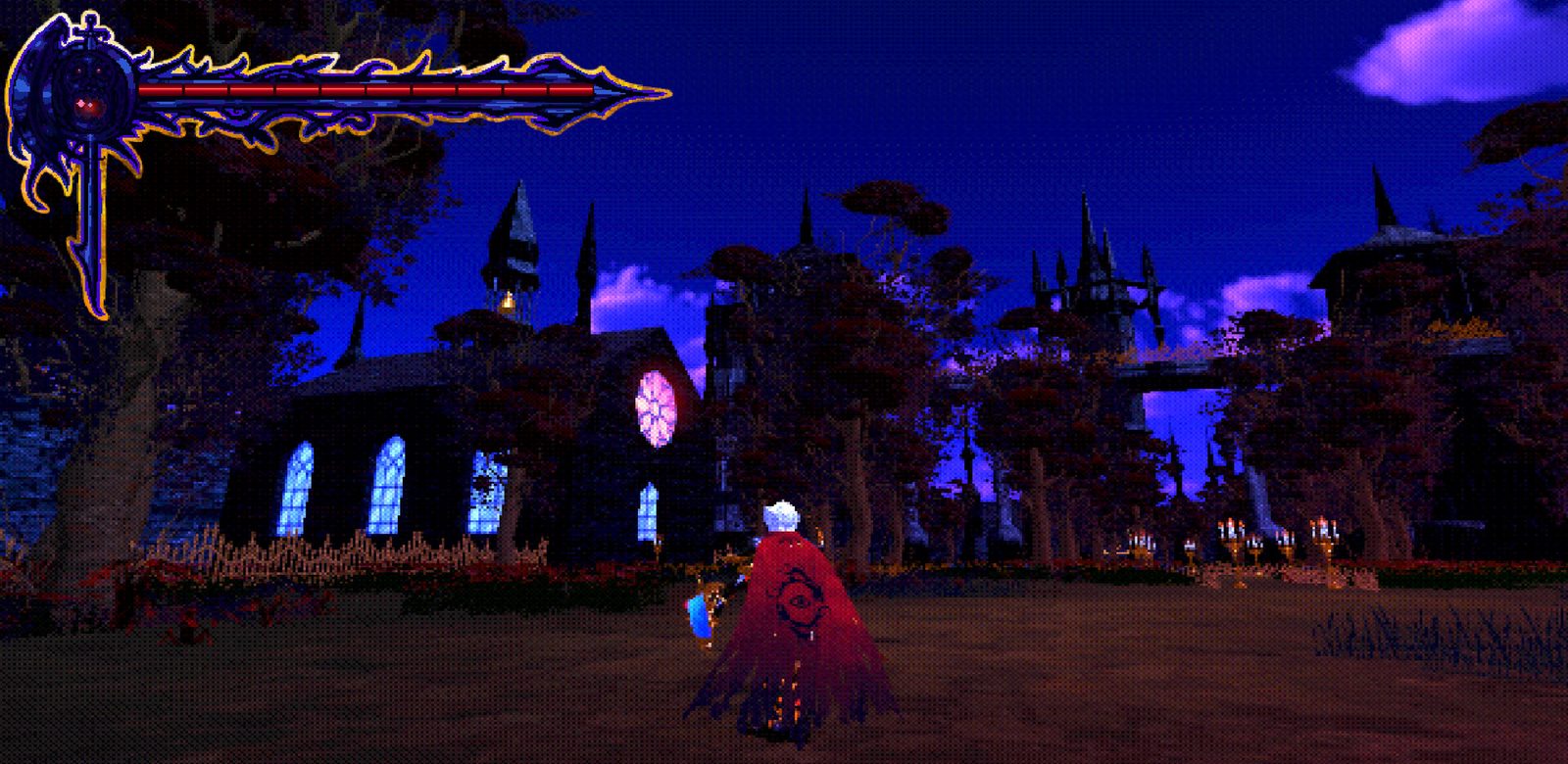
The Visual Commitment
What makes Night Hazard remarkable isn't just the reference—it's the consistency. The low-poly textures aren't cheap or nostalgic; they're intentional. The fog isn't a limitation but a design choice. Holy Sword Studio understands that the N64 Castlevanias worked because of their constraints, not despite them.
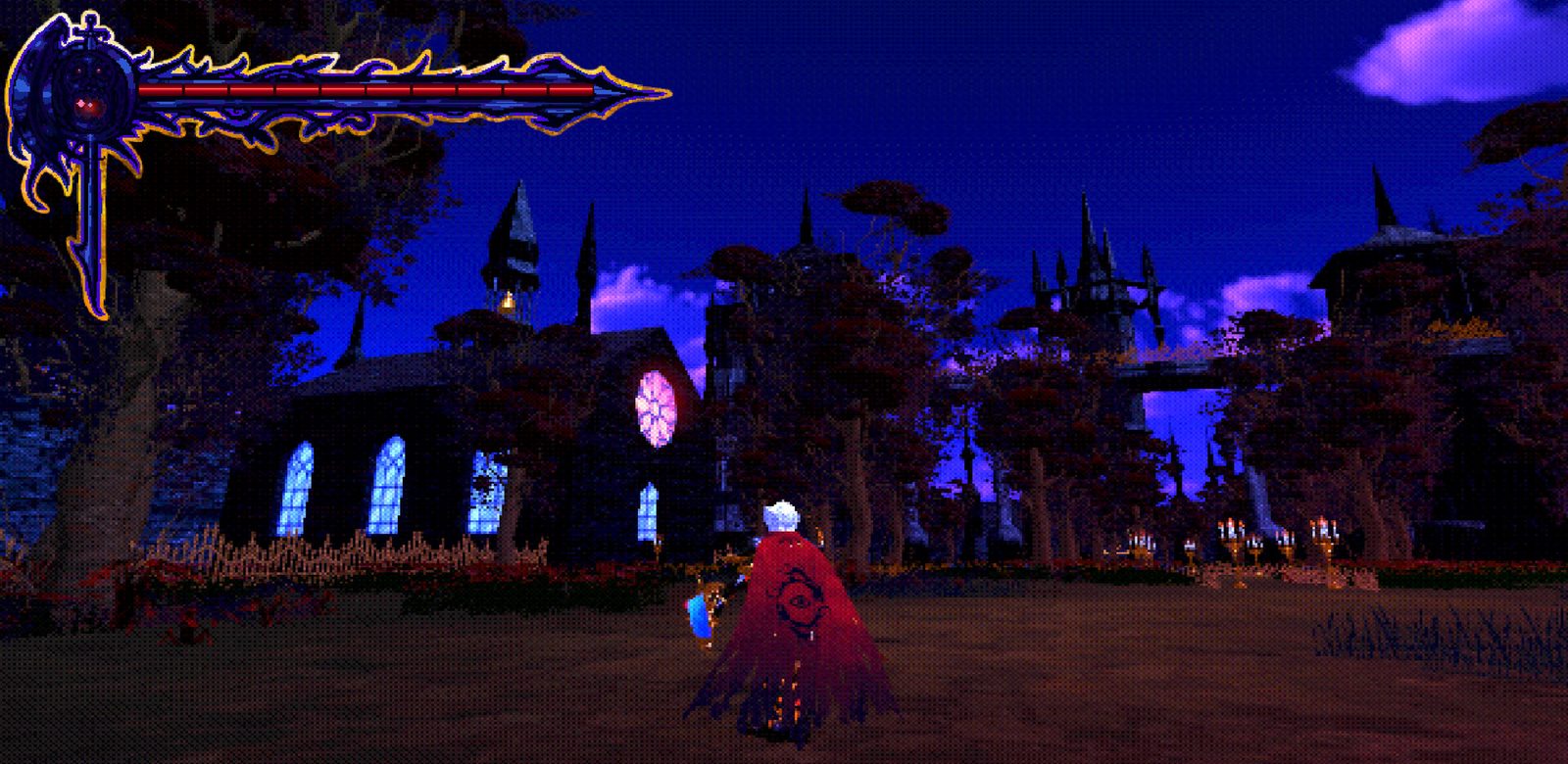 3D Castlevania-inspired corridor exploration with PS1-era geometry
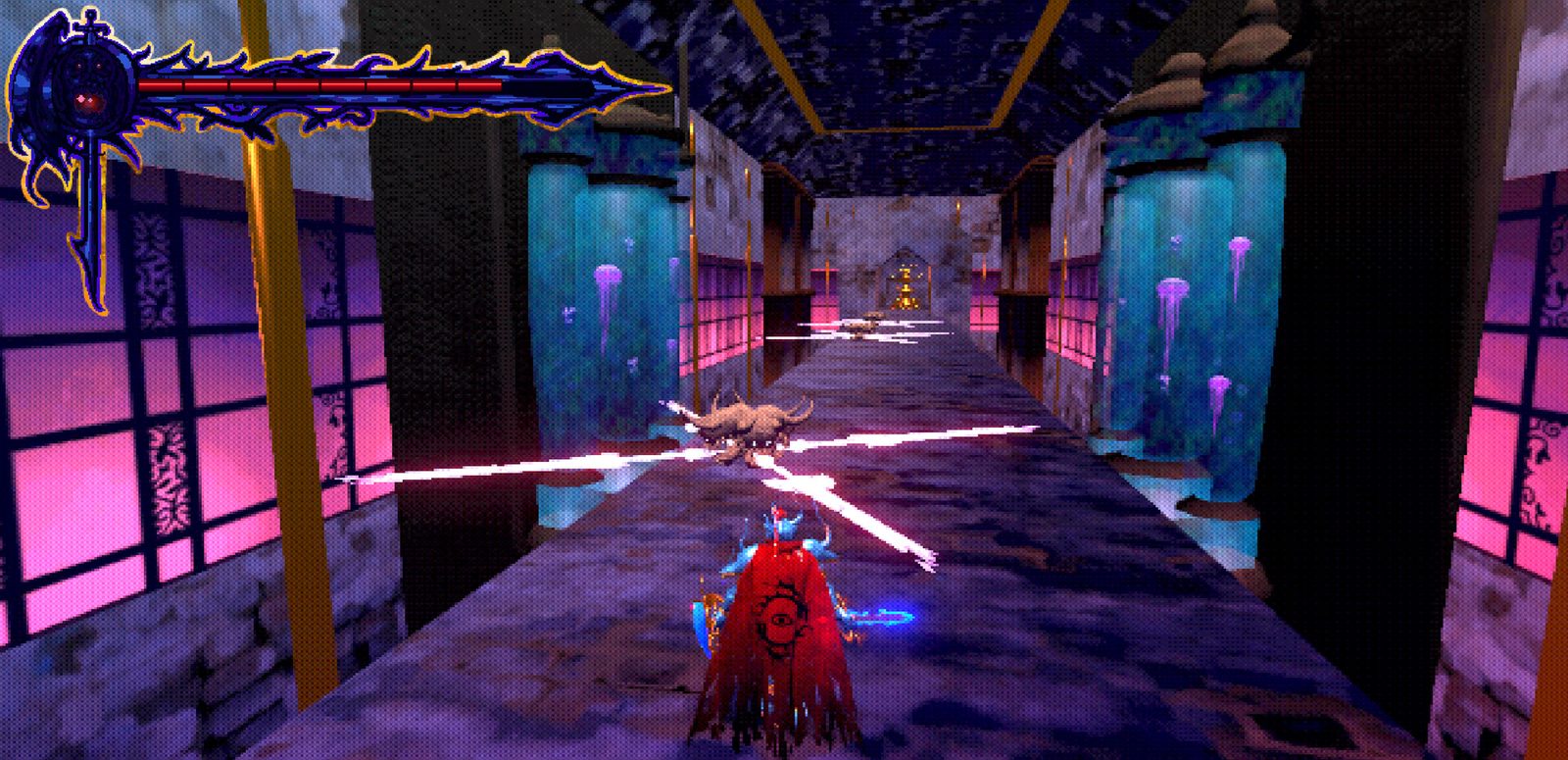 Low-poly aesthetic with dramatic fog effects simulating draw distance limits
The progression model follows Curse of Darkness rather than Symphony of the Night. Combat starts simple—basic attacks and movement—and grows as you gain abilities. This is deliberate design that respects the player's learning curve and makes upgrades feel earned rather than inevitable.
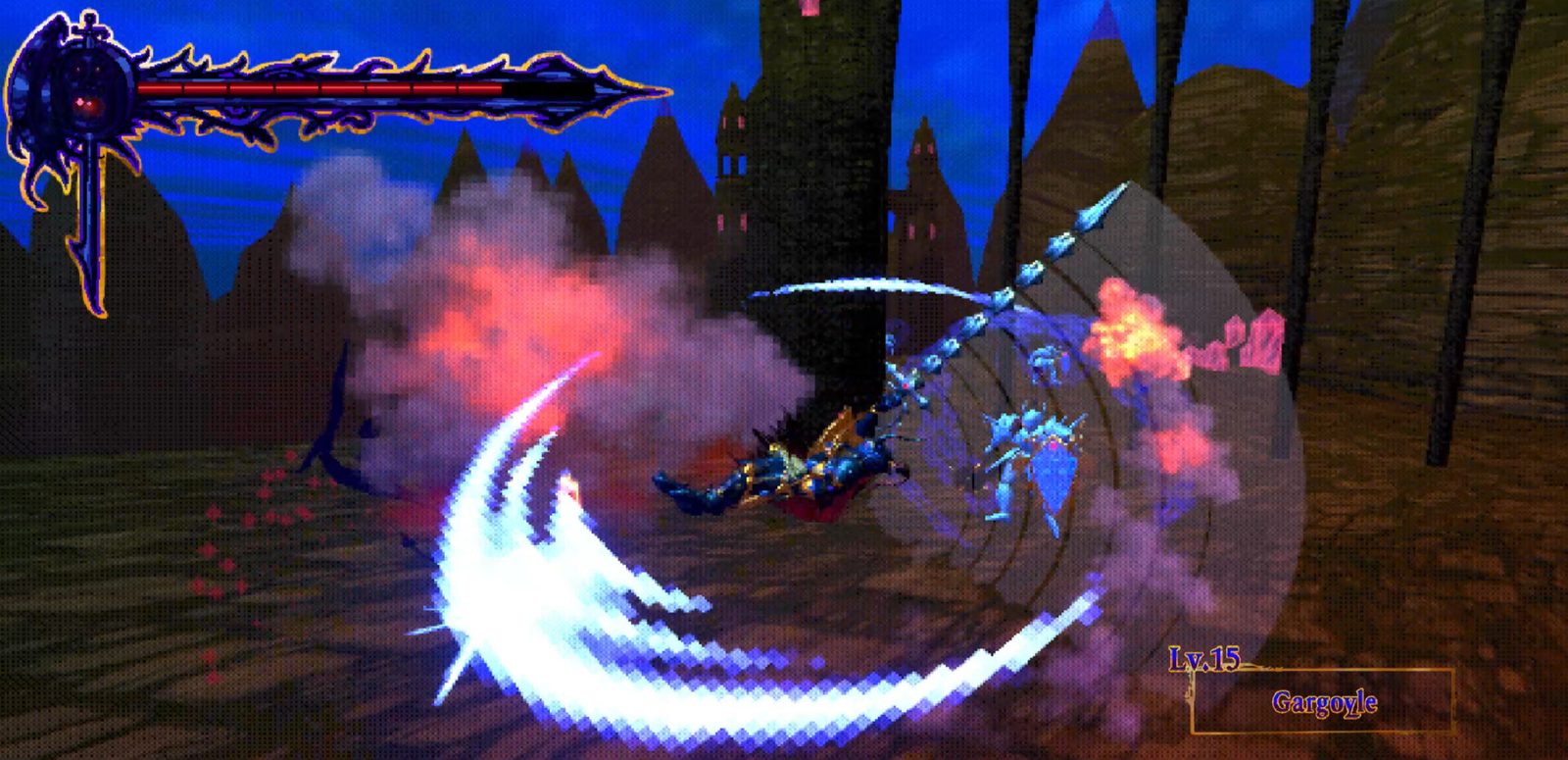 Combat system evolves from basic attacks to hack-and-slash progression
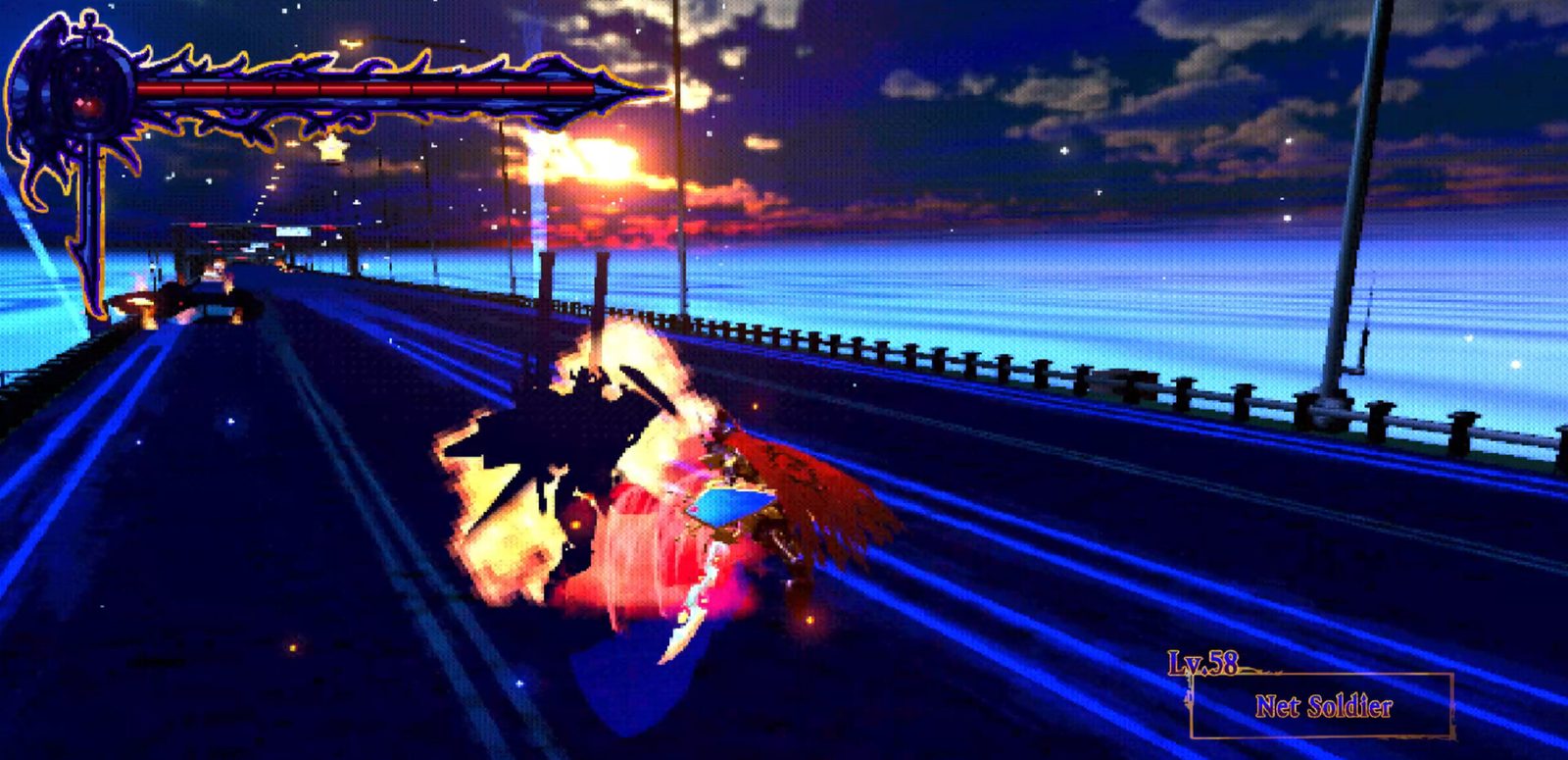 Gothic architecture with vertigo-inducing skyboxes and environmental storytelling
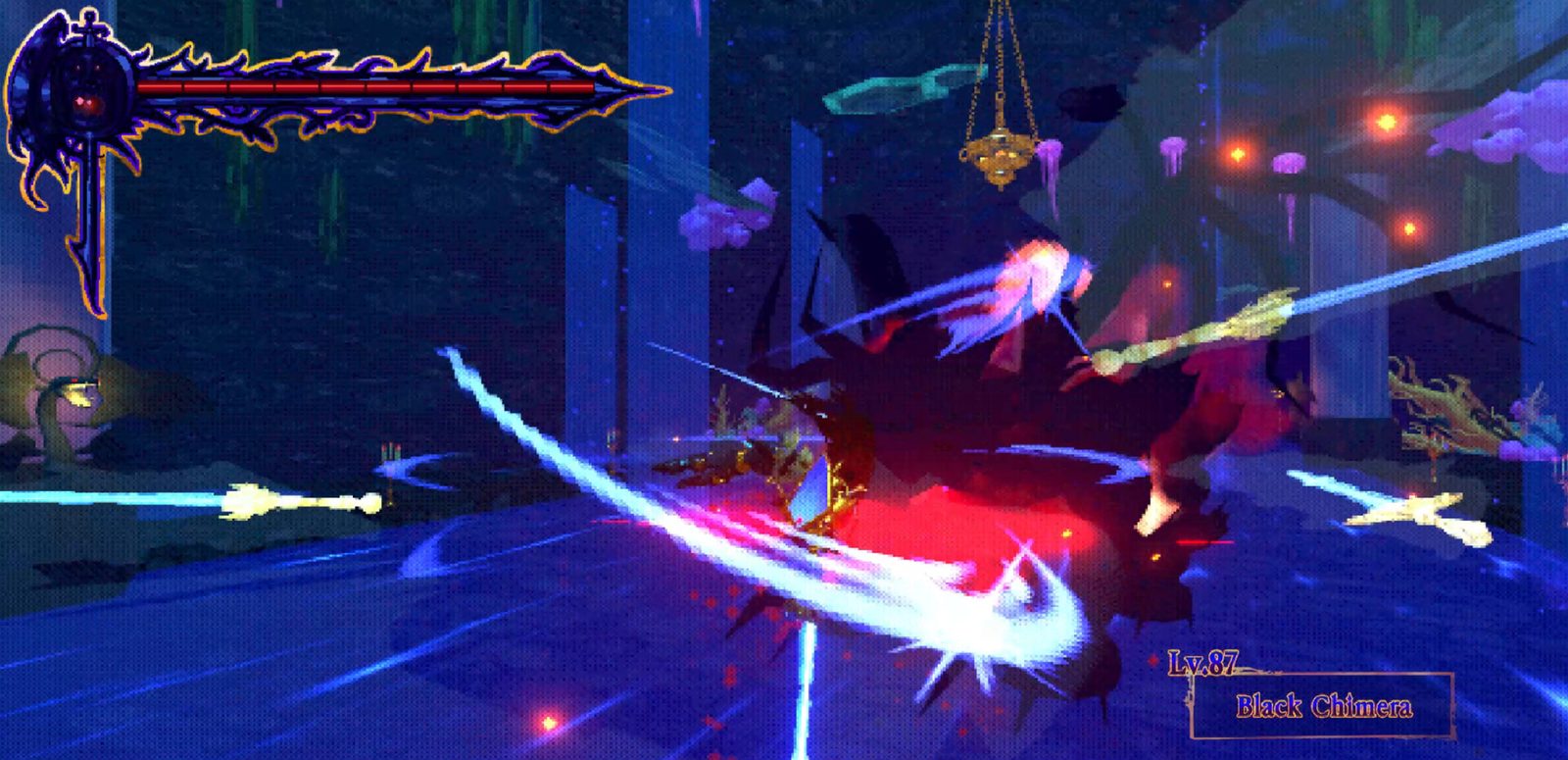 Breakable walls and hidden passages reward exploration of castle interiors
Night Hazard represents something larger: the refusal of a specific aesthetic to die. PS1/N64 horror-action isn't just nostalgia anymore—it's an active design language. In 2026, when physical editions and collector's releases are standard for indie games with cult appeal, this is exactly the kind of project worth tracking.
Here's something that doesn't happen with most game franchises: nobody makes a love letter to the bad ones.
Nobody builds an indie game inspired by the worst Sonic levels. Nobody reverse-engineers the feeling of playing a mediocre Mega Man spinoff. You make tributes to the games people loved. The consensus picks. The ones that sold.
So when Holy Sword Studio announces Night Hazard—an action platformer explicitly inspired by Castlevania 64, Legacy of Darkness, Lament of Innocence, and Curse of Darkness—the interesting question isn't "does this look good?" It's: why do those games still have a grip on people?
The 3D Castlevanias Were Not Supposed to Matter
The critical consensus on 3D Castlevania has been settled for decades. Castlevania 64 was awkward. Legacy of Darkness was a better version of an awkward game. Lament of Innocence was pretty but shallow. Curse of Darkness was a PS2 action game that arrived too late and too quietly. None of them sold like Symphony of the Night. None of them defined a genre. They were experiments that the market shrugged at.
And yet.
There's a specific community that never moved on. People who replay Lament of Innocence annually. People who insist that Curse of Darkness's Innocent Devil system was ahead of its time. People who will tell you, unprompted, that Legacy of Darkness has an atmosphere that no 2D Castlevania ever matched—that walking through the foggy corridors of a polygonal castle on N64 hardware, with that draw distance and those skyboxes, produced a kind of dread that sprite art couldn't touch.
They're not wrong. The 3D Castlevanias had something that their critical reputation never reflected: presence. The feeling of being inside the castle rather than moving through it. The N64 games especially—limited by hardware, ugly by modern standards—created spatial experiences that worked precisely because of their constraints. The fog wasn't an artistic choice; it was a draw distance limitation. But it made the castle feel infinite.
What Night Hazard Is Actually Doing
Night Hazard takes the template seriously. Low-poly textures. Dramatic skyboxes. Simple level geometry that reads as deliberate rather than primitive. The combat starts basic and evolves into hack-and-slash as you upgrade—which is the Curse of Darkness model, not the Symphony model. This isn't a Metroidvania. This is a 3D action game that trusts the corridor.
Developer Unholy_Malphas (one person, which matters) is building what the 3D Castlevanias would have become if Konami hadn't abandoned the approach. The Steam page promises exploration, breakable walls hiding secrets, NPC interactions, and a "dying, tormented world." If that sounds generic on paper, it's because the vocabulary of this subgenre is specific enough that describing it sounds like describing all of it. The execution is what matters, and the N64-era aesthetic commitment suggests someone who understands that the limitations were the point.
Why This Matters Beyond One Game
The 3D Castlevania revival isn't Night Hazard alone. It's part of a broader moment where the PS1/N64 aesthetic has shifted from nostalgia to active design language. Games like Dusk, Lunacid, and Nightmare of Decay proved there's a real audience for low-poly 3D horror-action. But most of those draw from Quake or King's Field. Night Hazard draws specifically from the Castlevania lineage—the gothic, the whip-to-sword progression, the castle as character.
For this site's purposes: if this gets a physical release or a limited-run collector edition (and in 2026, indie games with this kind of cult appeal often do), it'll be worth tracking. But even without a physical angle, it's worth noting because it represents something real—the refusal of a specific corner of Japanese game design to stay dead, even when the original publisher has stopped caring.
Konami isn't making 3D Castlevania anymore. So someone else is. That's how it works.
Late 2026 on Steam. Wishlist it.
- Time Extension T2
- Steam T2
- NicheGamer T2
- @Unholy_Malphas (Developer) T2
Loading...