The Machine You Remember
There’s a specific moment — usually in a station corridor or a Sunshine City basement — when the thought crosses from abstract to specific. Not “gashapon machines are fun” but “I want one of these in my apartment.” The crank. The clunk. The capsule in the tray. You have two options: a 1/2 scale Bandai replica for ¥3,000 that fits on a desk, or a real commercial Capsule Station imported from Japan for $200–500. Both accept coins. Both make the sound. Only one makes your guests stop talking.
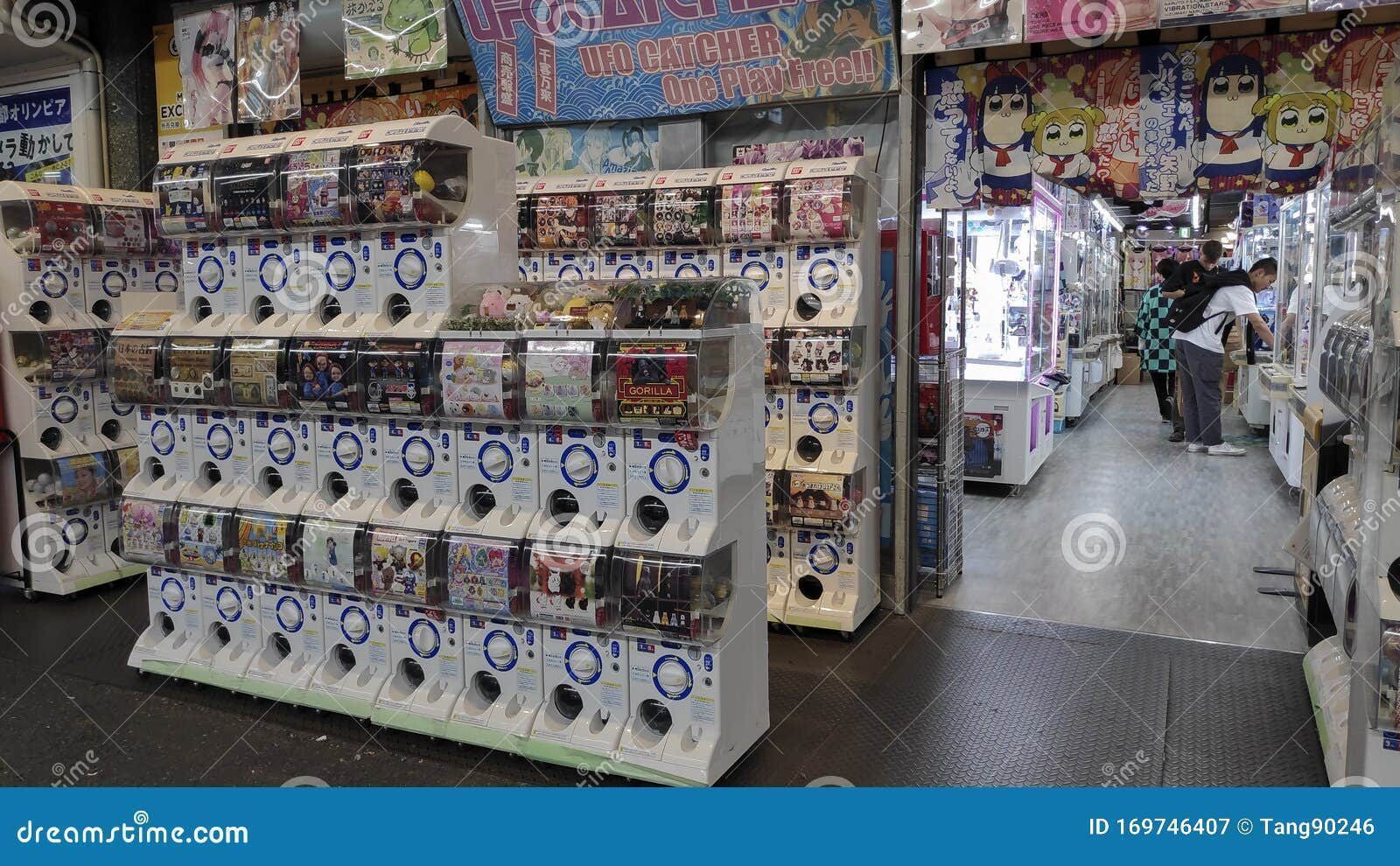 Gashapon machines outside a toy shop in Nishiki, Kyoto — the street-level encounter that plants the idea
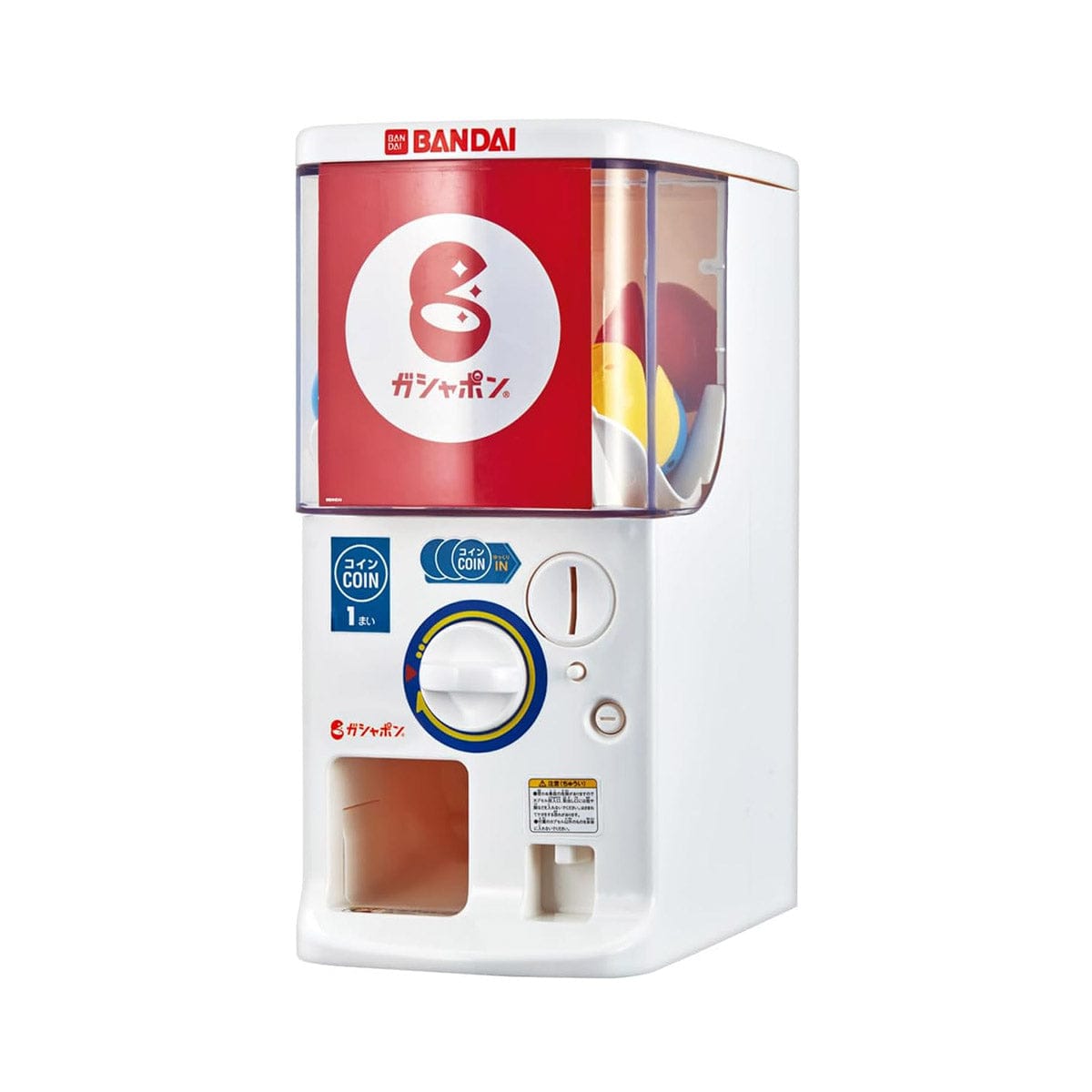 Bandai Official Gashapon Machine TRI (2024) — 1/2 scale, 1.89kg, accepts real coins and tokens. The entry point
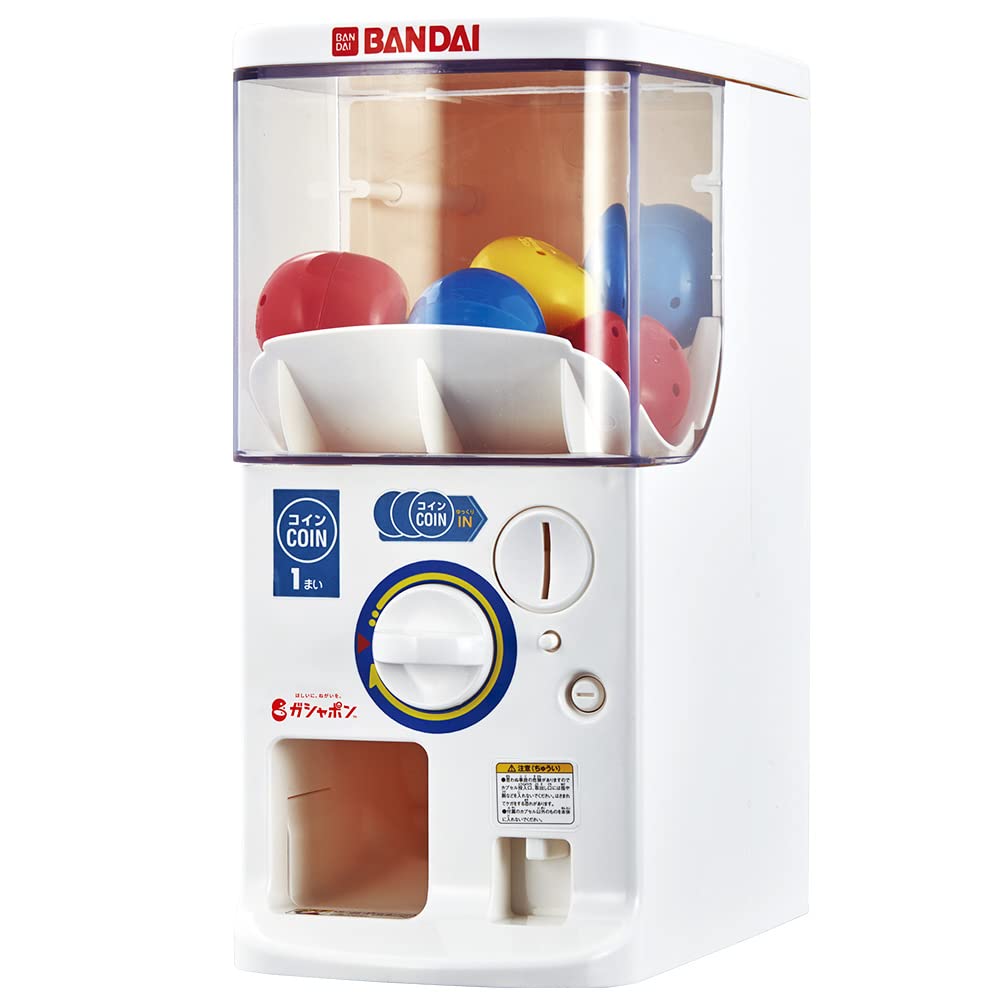 Bandai Official Gashapon Machine TRY — previous generation. Same 1/2 scale, same mechanism. Colourful capsules visible through the clear dome
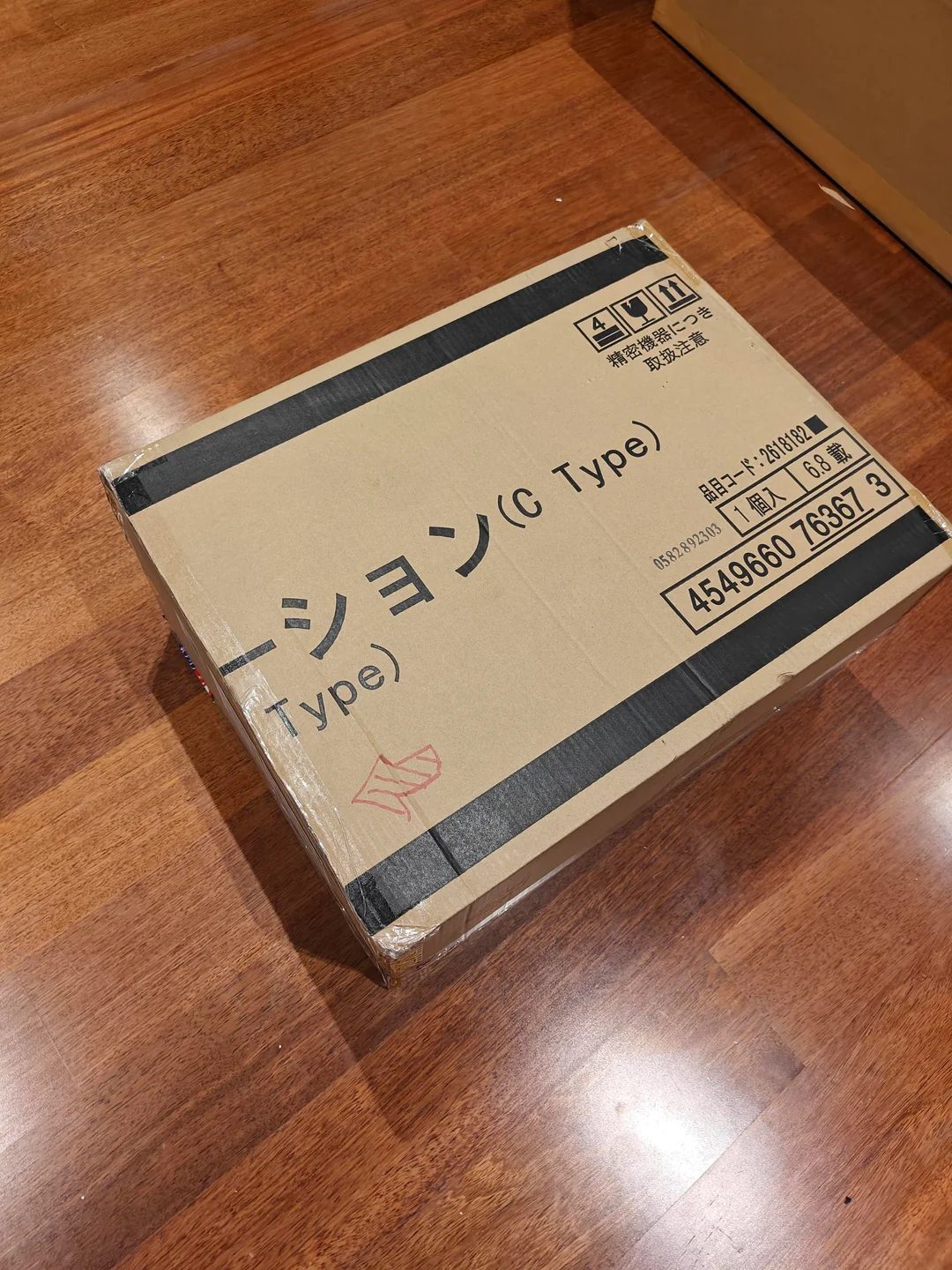 Capsule Station C Type via Yahoo Japan Auctions and Buyee. The box reads 精密機器につき取扱注意 — precision equipment, handle with care
The commercial Capsule Station — the hardware bolted to floors in Gashapon Department Stores — is available to individuals. Yahoo Japan Auctions via proxy (Buyee, FROM JAPAN, ZenMarket) is the primary channel. Units weigh 10–15kg. All-in with proxy fees and freight: $300–600. The half-size TRI is simpler — $20–35 from Plaza Japan or Amazon, shipped in a 2kg box.
The mechanism is purely mechanical — no electricity, no batteries. Insert coin, turn crank, capsule drops. The price is set by rotating two internal barrels. The coin mechanism snaps in and out in seconds. When capsules run out, a sold-out sign drops automatically. Engineering from 1977 that still works because it never needed to change.
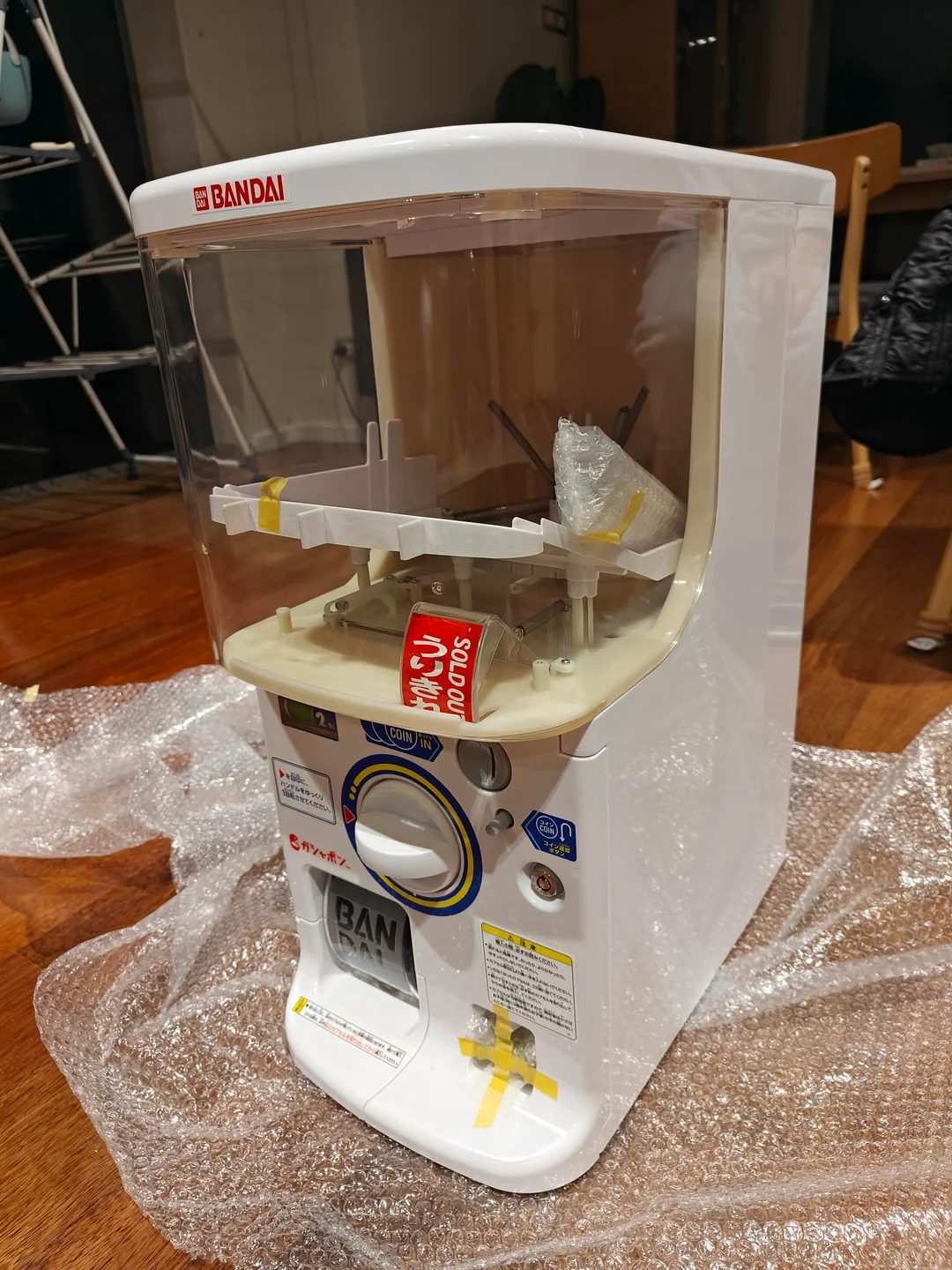 First unboxing — bubble wrap, yellow shipping tape, the SOLD OUT sign still in the capsule window. Bandai Capsule Station, fully mechanical, ready to load
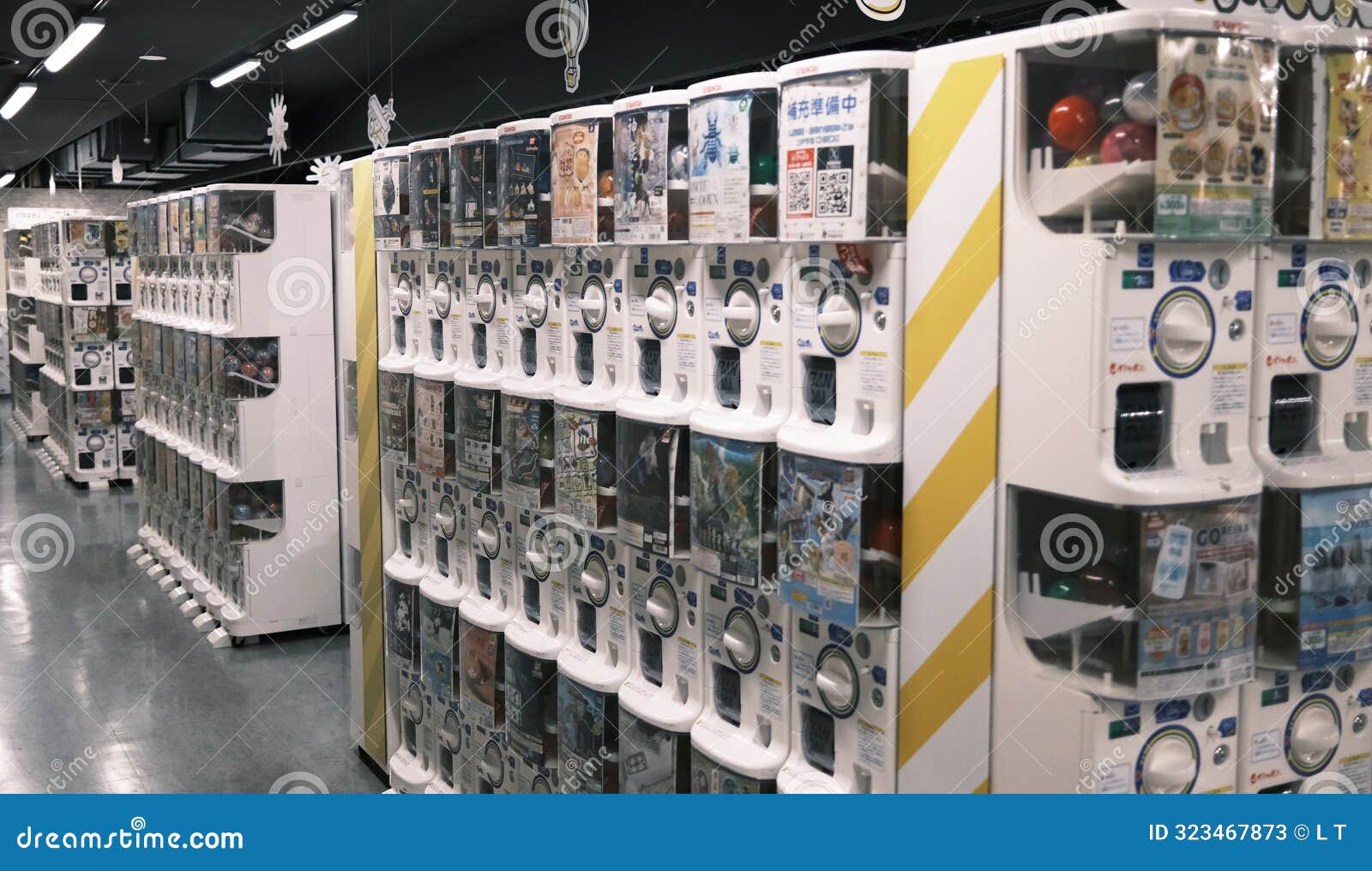
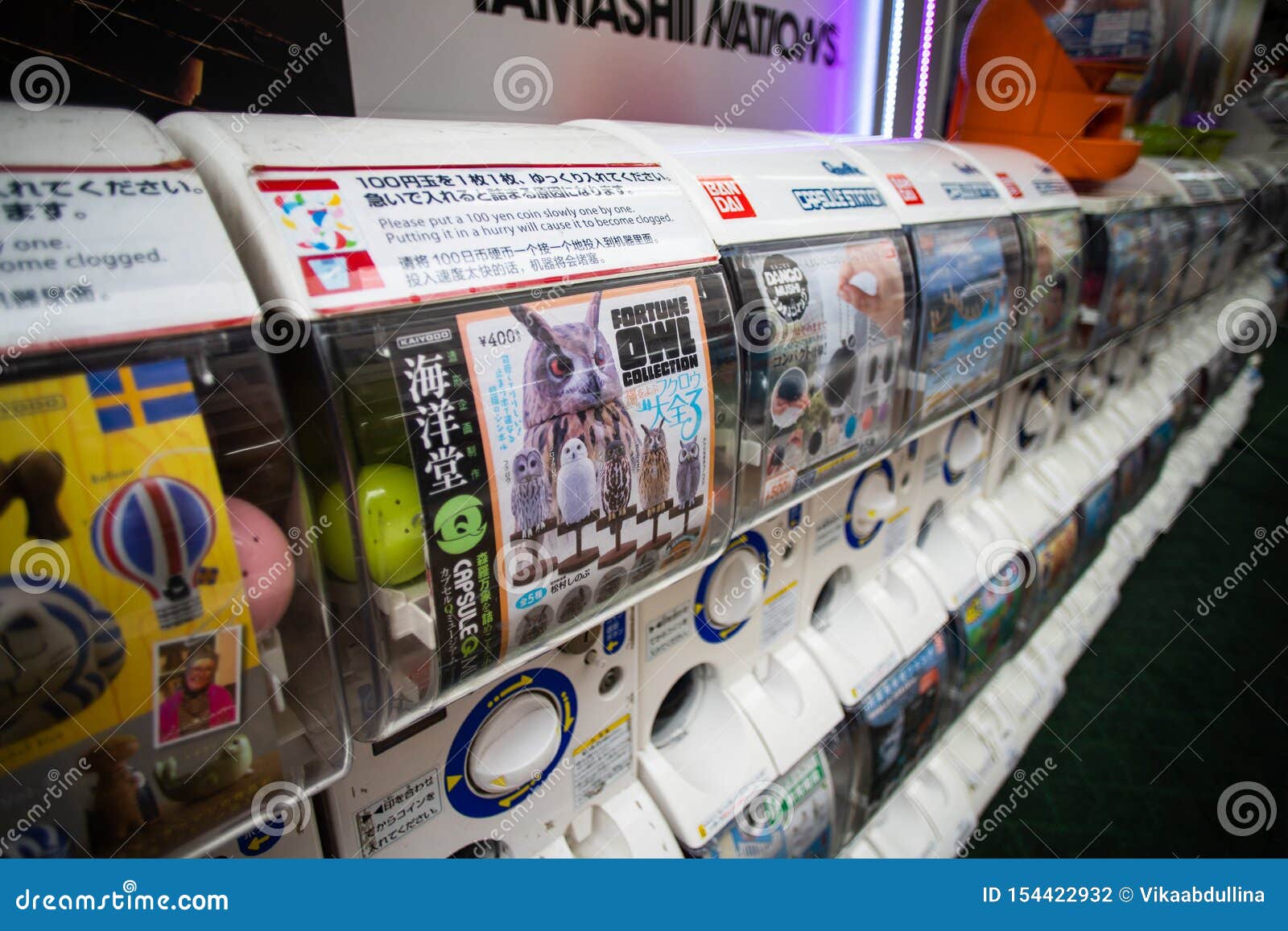 Capsule Stations near Shinjuku — commercial hardware in a public bank. Each display card is a different collection. This is the equipment you can import
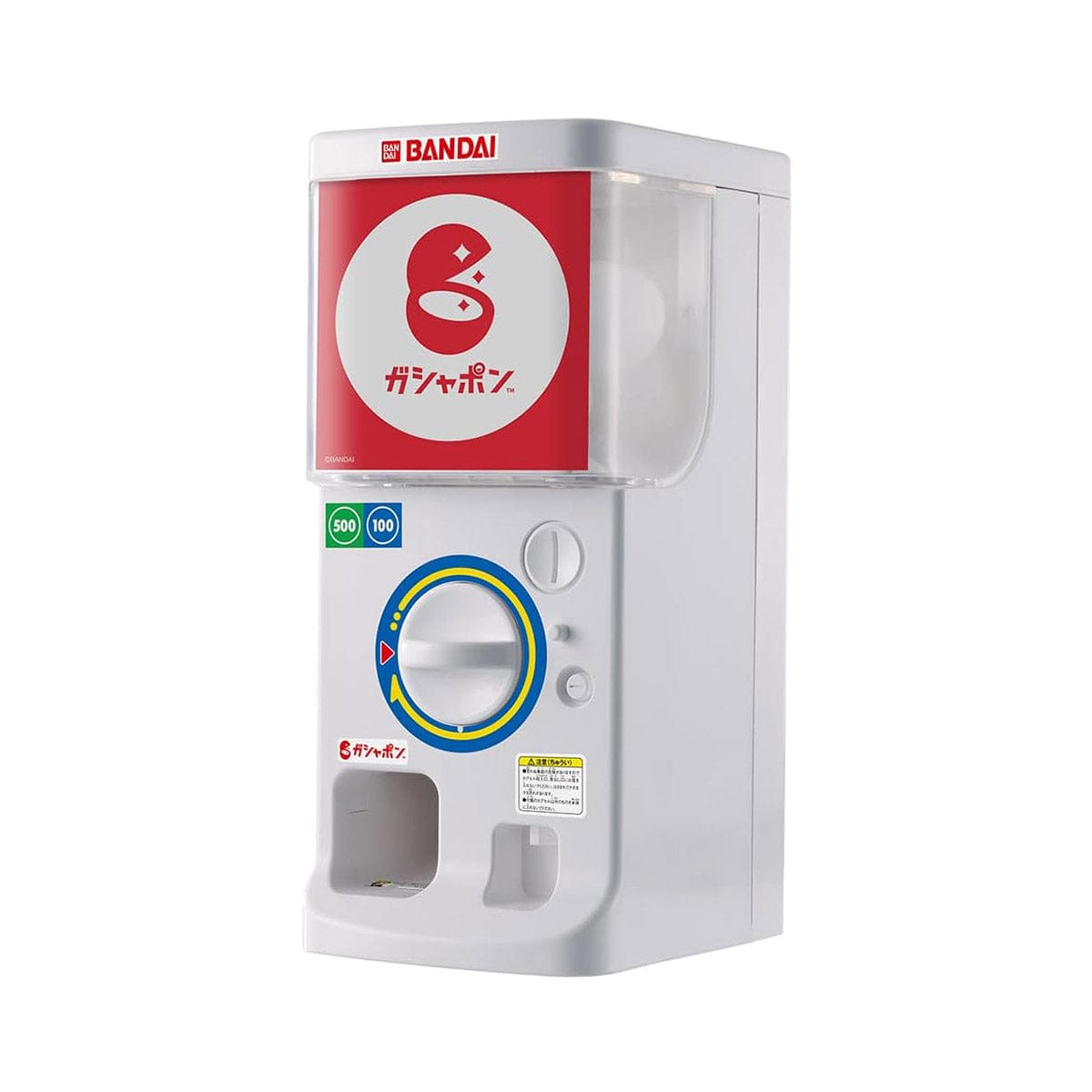 Bandai Gashapon Machine JOY (2025) — the latest model. The display card slot at top is replaceable
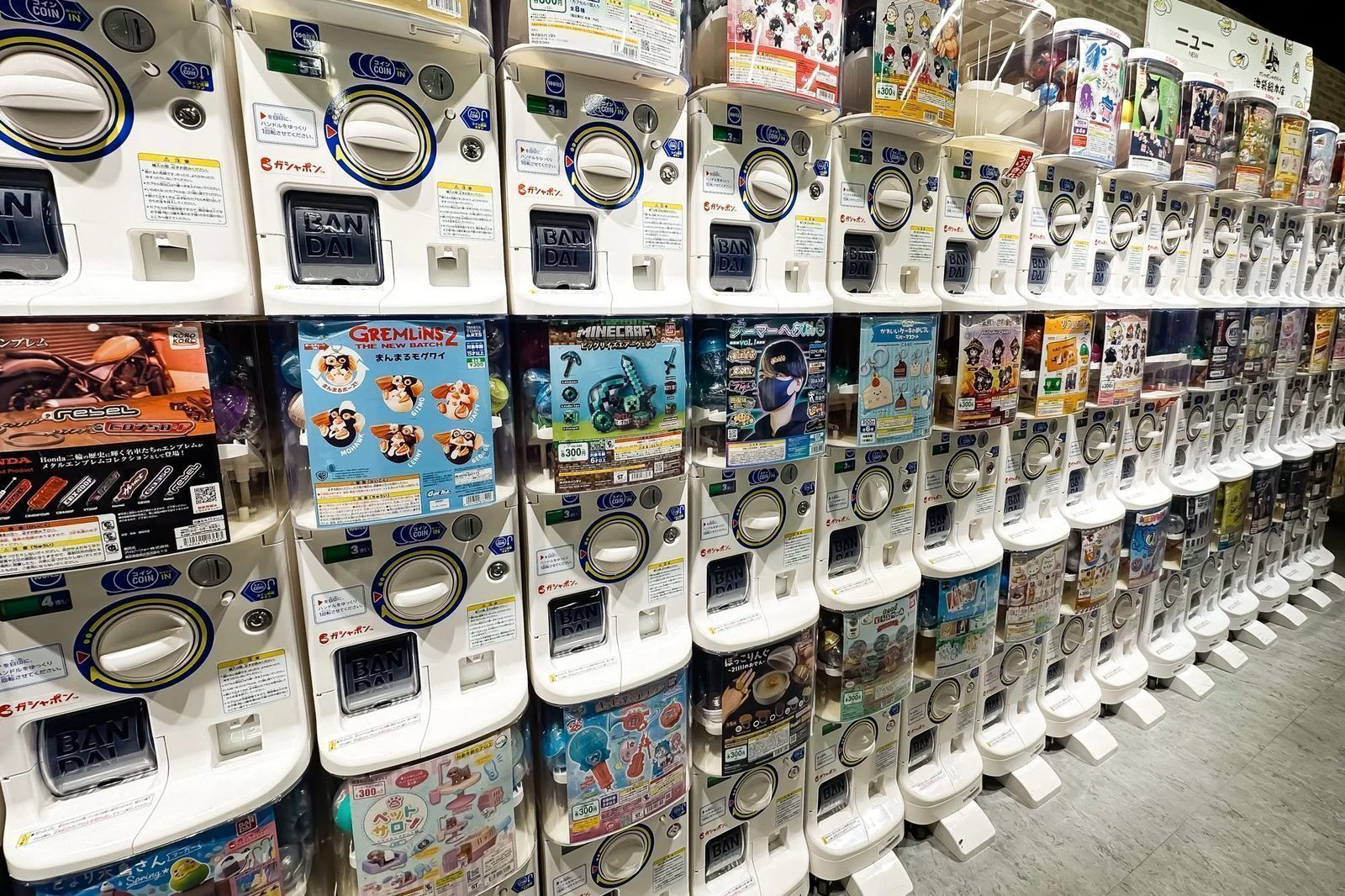 Real Capsule Stations in a Gashapon Department Store — the exact hardware on Yahoo Japan Auctions. Modular, stackable, purely mechanical
Gasha — the crank. Pon — the capsule. The onomatopoeia that named the industry is the reason people ship 15kg machines across the Pacific. At home, the machine sits loaded, waiting. You walk past it. You decide. The full-rotation crank engages mechanical resistance, then the capsule drops — hollow plastic on plastic — and it is, against all reason, deeply satisfying. Screens can’t replicate it. The tactile loop of coin-crank-drop-open is irreducible.
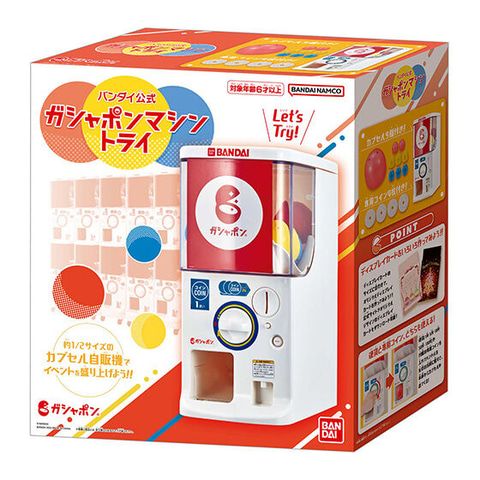 Retail packaging for the Bandai Official Gashapon Machine TRY — assembly diagram and display card included
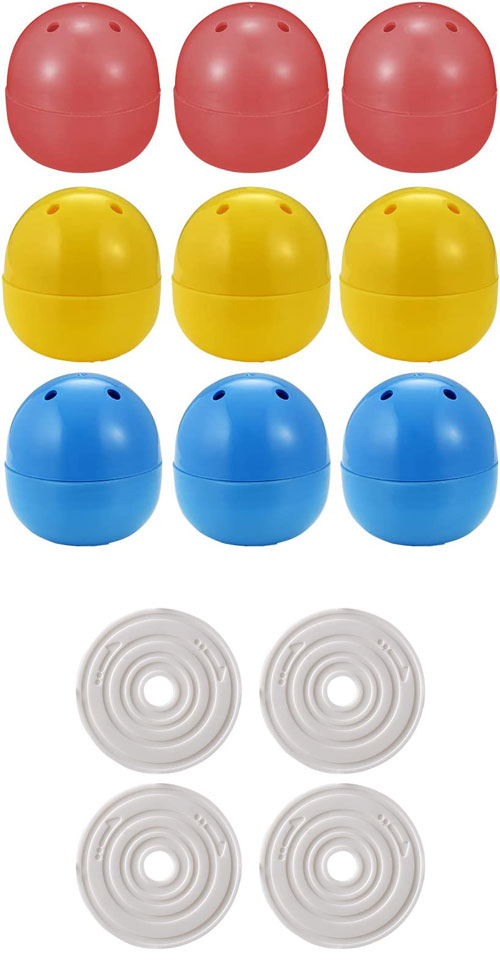 Nine capsules and four tokens included. Standard 50mm acorn capsules, compatible with most Bandai gashapon sets
Filling the machine is the second hobby. Complete gashapon sets run ¥500–2,000 on Yahoo Japan Auctions via proxy. Gacha x2 ships directly. AmiAmi and HobbyLink Japan stock sets near retail. Some owners order random bulk lots — 50–100 capsules unsorted — so the machine functions as designed: a genuine surprise every turn.
Ikebukuro gashapon shop — rows of Capsule Stations under fluorescent light. Identical white shells, hundreds of display cards. This is the environment you are importing a piece of
Nobody regrets the machine. Complaints are logistical — proxy fees, shipping times, capsule sizing. The mechanism is too good. The sound is too right. You curate for guests. You rotate seasonal sets. You develop opinions about crank resistance.
Half-size available from Plaza Japan and Amazon. Commercial units via Yahoo Japan Auctions. Capsule sets from AmiAmi, Gacha x2, and HobbyLink Japan.
Loading...