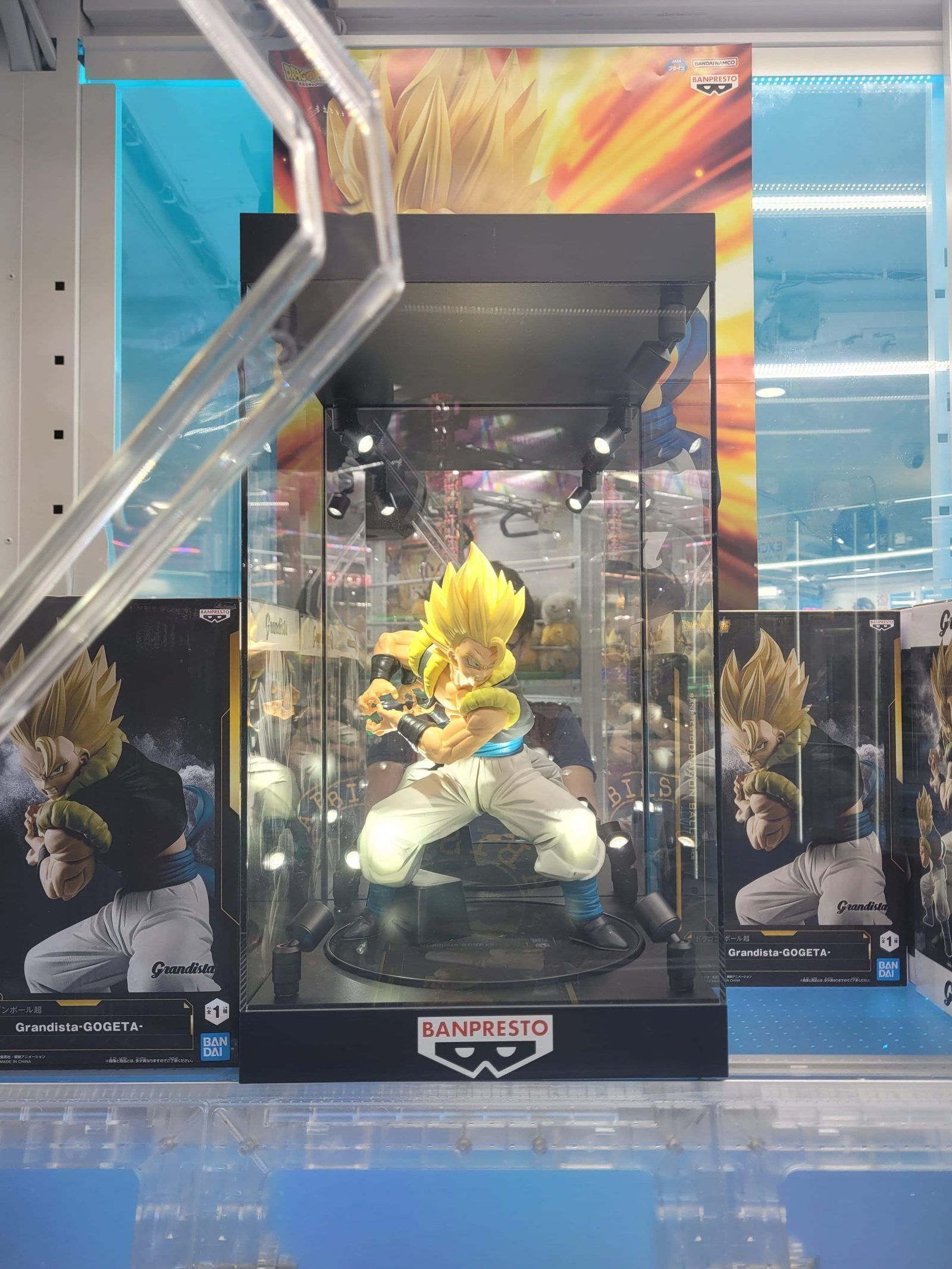
Something happened to prize figures when nobody was paying attention. The objects you win from Japanese crane games—the ones that retail for ¥1,000 in secondhand shops—started getting good. Not “good for the price.” Good. A modern Taito Coreful now rivals scale figures from ten years ago. Banpresto Evolve is pushing the ceiling even higher. Here's what changed.
The Quality Gap Is Closing
A modern Taito Coreful or SEGA Luminasta figure at $25-35 looks as good on a shelf as a $120 Kotobukiya scale figure from 2012. The sculpts are sharper. The translucent plastic parts add depth that previously required expensive airbrushing. Collectors are posting side-by-side comparison photos and doing genuine double-takes. The floor has risen dramatically.
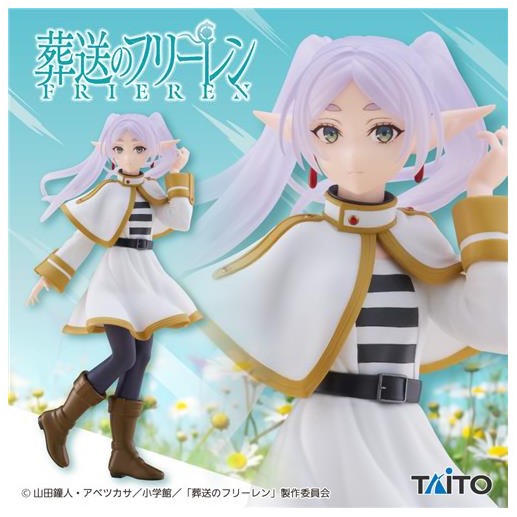 Taito Coreful Frieren — translucent staff, glossy paint, and sculpt detail that had collectors posting 'It's insane that she is only a prize figure'
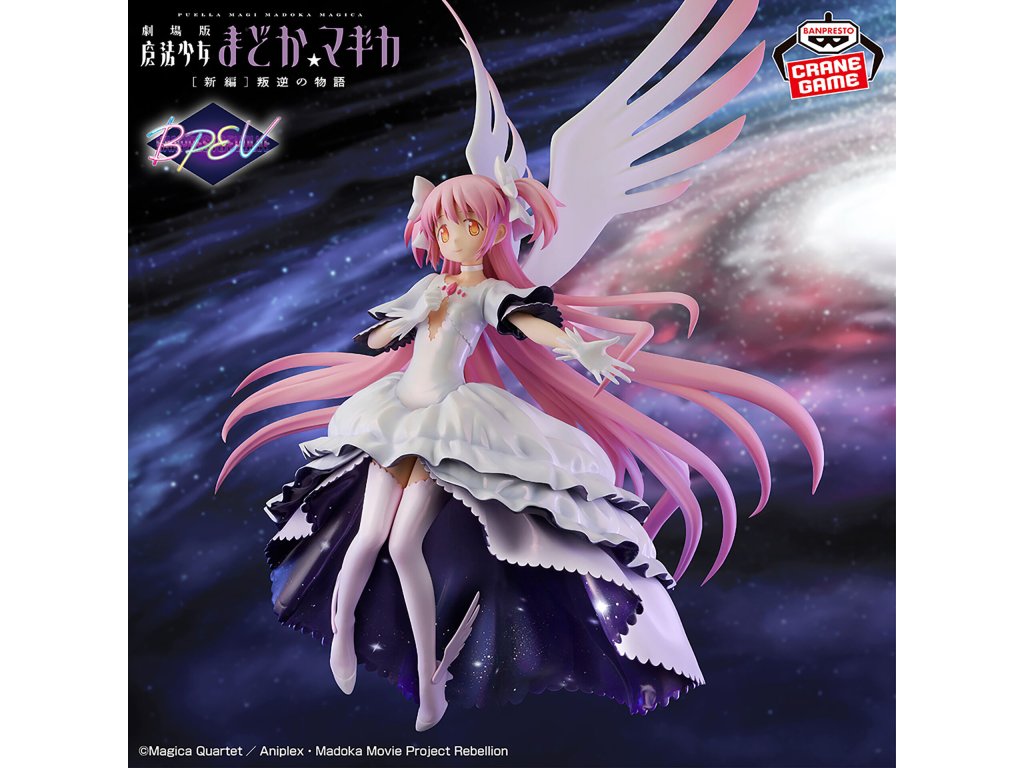 Banpresto Evolve Madoka Kaname — the new flagship line launched Feb 2025: heavier construction, richer detail, creative bases
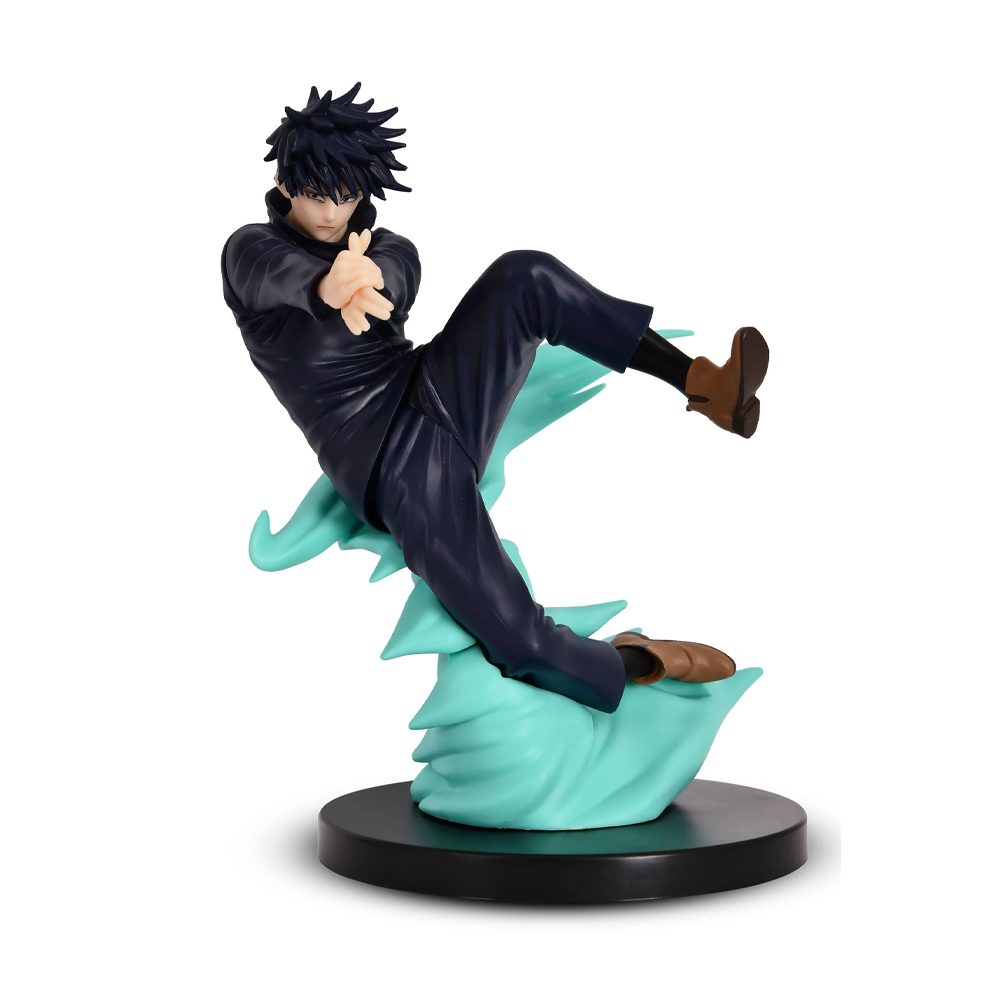 SEGA SPM Jujutsu Kaisen — 'Super Premium' line created to 'transcend common prize figure standards.' Dynamic posing with meticulous costume detail
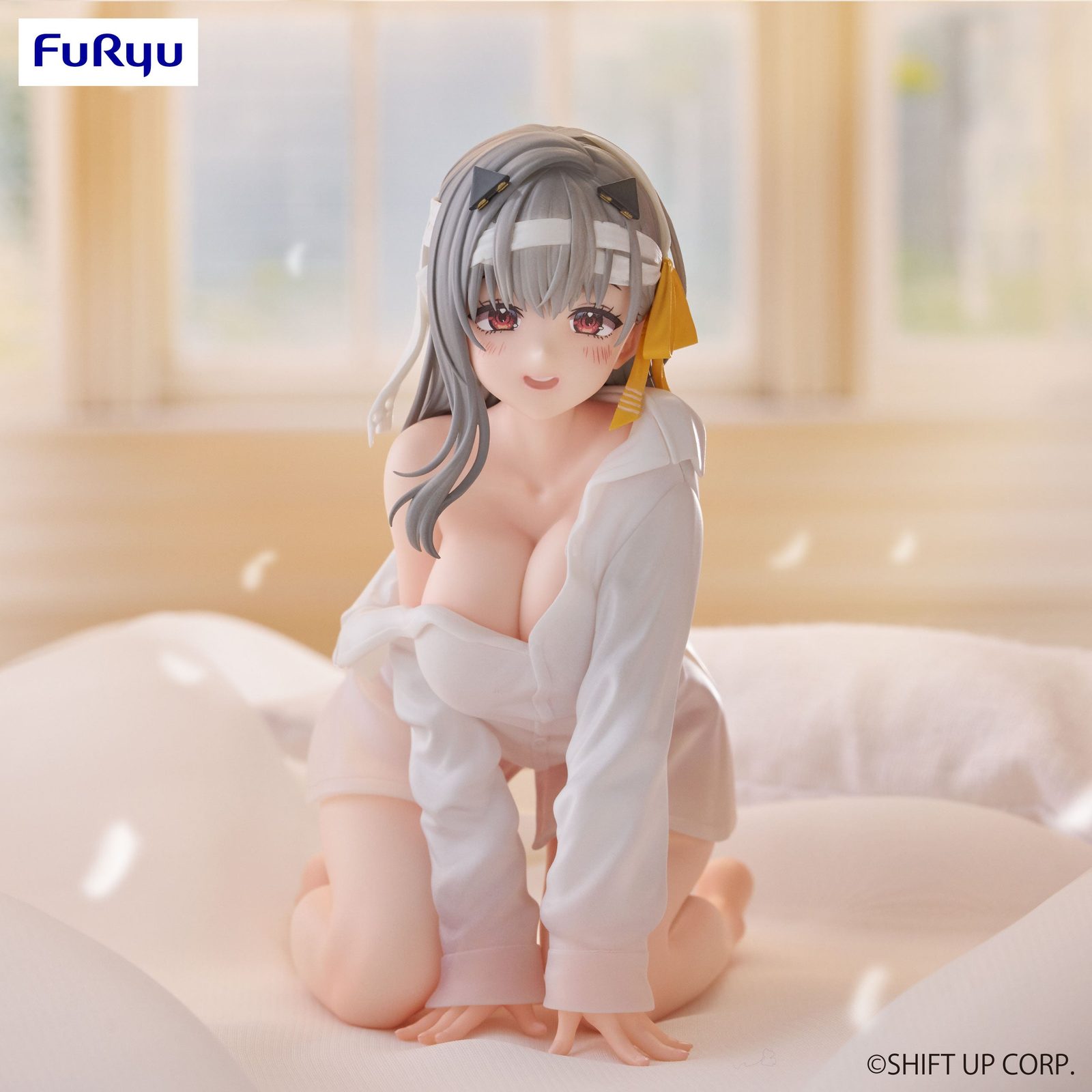 FuRyu Noodle Stopper — figures designed to perch on instant noodle cup rims. Absurd concept, genuine cult following, under ¥2,000
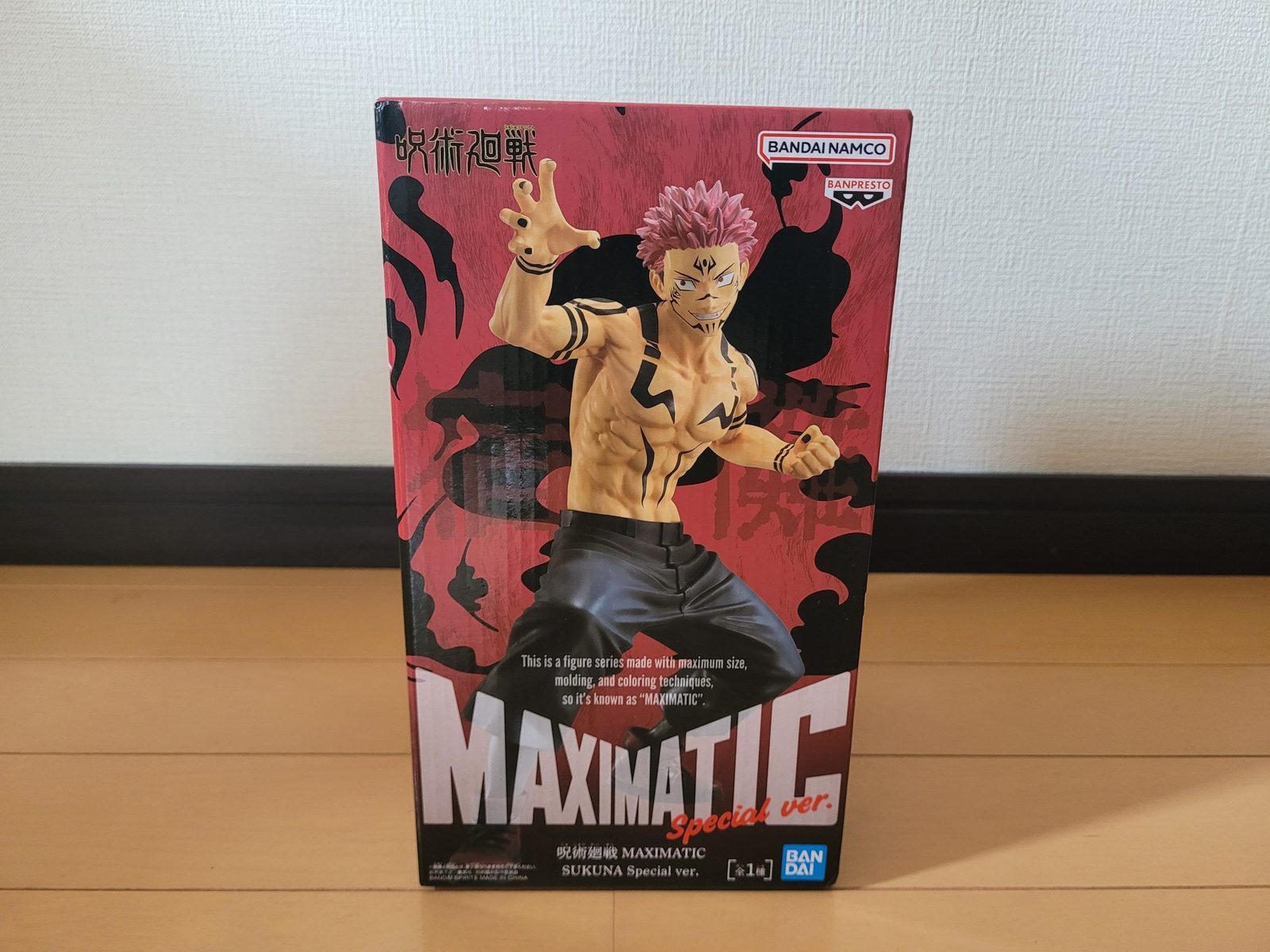 Banpresto Grandista series — oversized 25-30cm figures pushing size and sculpting to the prize tier ceiling
The accessibility is the point. At $15-40 import, you can buy three to five prize figures for the cost of a single mid-range scale. For new collectors, the risk is minimal. For experienced collectors, the quality-per-dollar has become genuinely competitive.
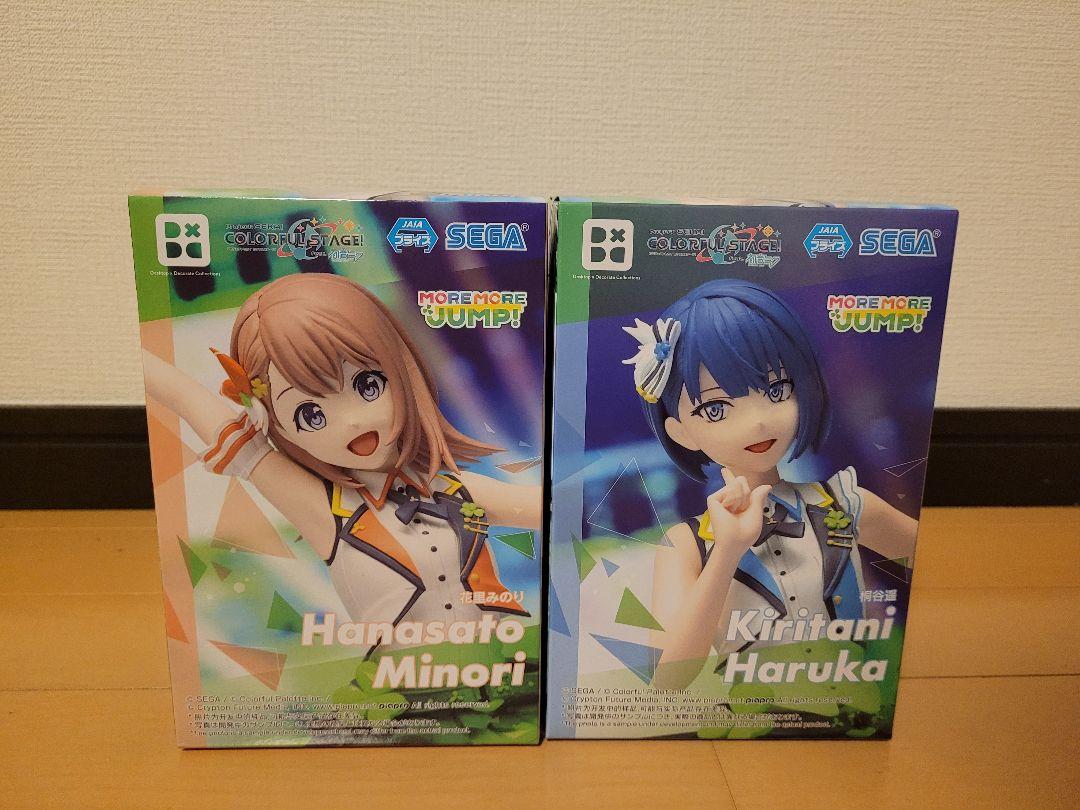 Ichiban Kuji MASTERLISE Rika Orimoto (JJK 0) — lottery-exclusive figures at ¥850 per play that rival dedicated scale releases
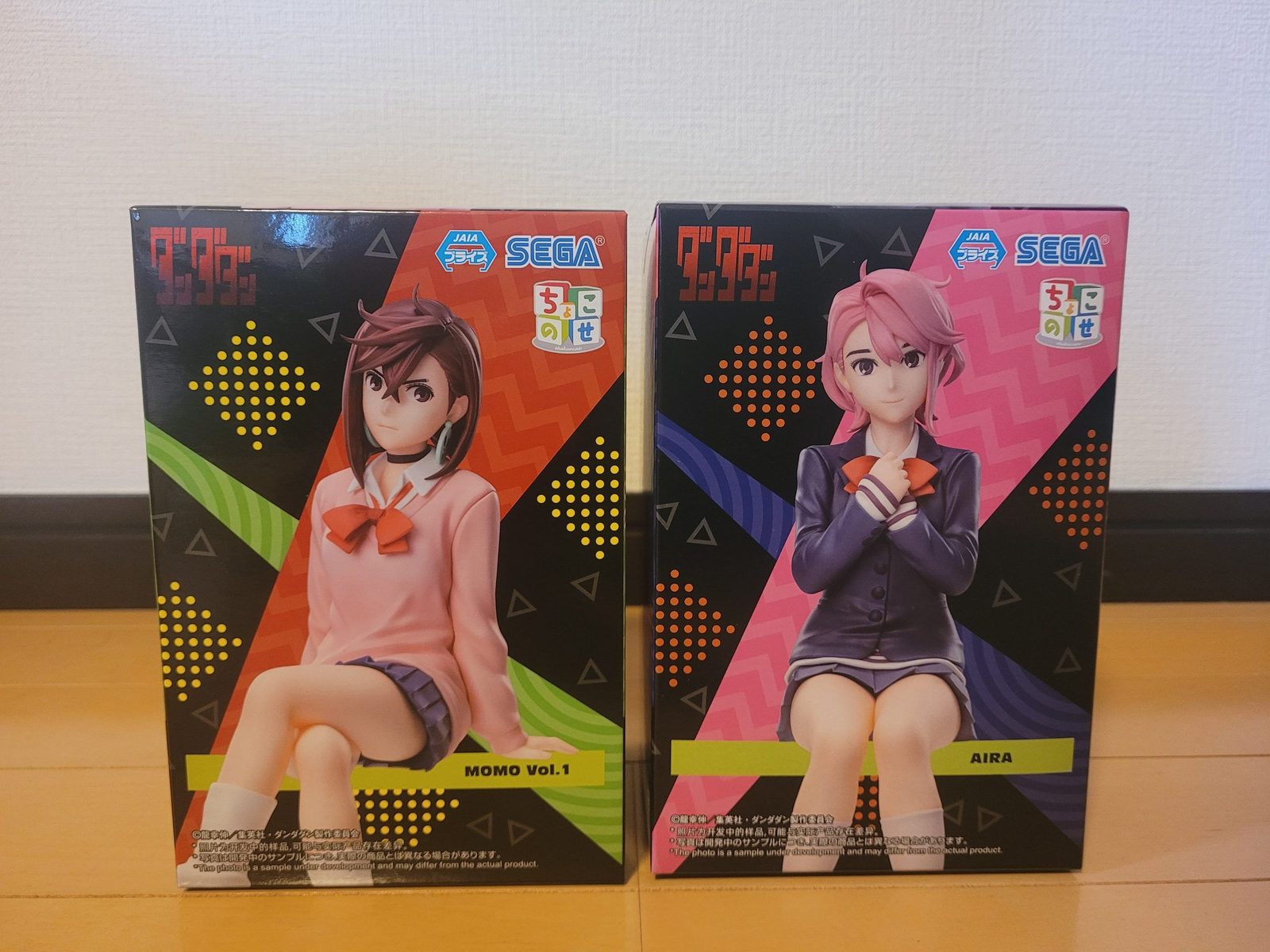 Japanese game centre crane machines — ¥100 per play, ~¥800 expected cost to win. Staff will reposition prizes after extended attempts
Something happened to prize figures when nobody was paying attention.
The objects you win from Japanese crane games — the ones that retail for ¥1,000 in secondhand shops, that import for $20-40 through AmiAmi, that most serious collectors used to dismiss as cheap shelf filler — started getting good. Not "good for the price." Good. The kind of good where you put one next to a scale figure that cost four times as much and need a moment to articulate the difference.
The community noticed. Collector forums that used to treat prize figures as the training wheels of the hobby now run dedicated threads comparing them against mid-tier scale releases. "It's insane that she is only a prize figure" has become a recurring caption under photos of Taito's Coreful line. Side-by-side shots of a 2025 Banpresto Grandista next to a 2015 Good Smile 1/7 scale regularly generate genuine confusion about which cost more.
This isn't hype. It's a manufacturing shift with real implications for how people enter and sustain figure collecting.
What Changed
Three things converged:
Digital sculpting lowered the cost of detail. CNC machining and resin 3D printing mean that a high-fidelity master sculpt no longer requires weeks of hand-carving by a specialist. The same precision that produces a $200 ALTER figure can now be applied to a prize figure mould at dramatically lower cost. The sculpts trickled down, and the resolution came with them.
Translucent materials changed the visual game. The incorporation of clear and translucent plastic parts — most visible in Taito's Coreful line — adds depth and light interaction that previously required expensive airbrush shading. A staff, a hair ornament, a fabric edge rendered in translucent plastic catches light in ways that fool the eye into seeing more paint work than actually exists. It's an elegant shortcut that produces genuinely premium visual results.
Competition forced quality upward. Five manufacturers — Banpresto, SEGA, Taito, FuRyu, and the newer System Service — compete for the same arcade floor space. When your figures sit in glass cabinets next to your competitors', the one that looks best wins the ¥100 play. Quality became a survival strategy.
The Major Lines
Banpresto (Bandai Spirits) dominates through volume and breadth. Their Grandista series pushes oversized figures to 25-30cm with sculpting ambition that most prize lines don't attempt. DXF (The Grandline Series) is the workhorse for One Piece collectors — "Deluxe" tier at roughly 15cm, consistently solid. Ichiban Kuji MASTERLISE operates adjacent to the prize ecosystem: lottery-exclusive figures sold through convenience stores at ¥850 per ticket, with top-tier prizes that rival dedicated scale releases. The JJK 0 lottery running through March 2026 features a large-scale Rika Orimoto MASTERLISE figure that has collectors treating a convenience store lottery like a pre-order window.
SEGA fields two premium lines: Luminasta (glossy, luminous finishes) and SPM — Super Premium (created with the stated mission of "transcending common prize figure standards"). The upcoming FIGURIZM alpha Mahoraga for Jujutsu Kaisen, arriving March 2026, features the Eight-Handled Sword Divergent Sila with spinning wheel and cursed energy effects at a price point that would have been laughable five years ago.
Taito operates through the Taito Station arcade chain and specialises in female characters with consistently strong execution. Coreful is their crown jewel — clear plastic parts, glossy finishes, and a quality-to-price ratio that has generated more "is this really a prize figure?" reactions than any other line. AMP+ (Artist MasterPiece) is their high-end tier.
FuRyu took a different path. Their Noodle Stopper line — figures designed to sit on the rim of an instant noodle cup while the lid steeps — is conceptually absurd and commercially brilliant. They're small, cheap (under ¥2,000), and so collectible that the line has expanded to include Sadako from The Ring (April 2026) and seasonal Hatsune Miku variants. The upcoming Sakura Miku 2026 Noodle Stopper is already generating pre-release excitement.
Banpresto Evolve: The Statement of Intent
Launched February 2025, Banpresto Evolve is Bandai Spirits' clearest signal that the prize figure quality ceiling is being deliberately raised. The line is positioned as a "prize-scale hybrid" — affordable but with ambition.
The differences from standard Banpresto output are tangible: heavier, sturdier construction. Richer clothing and hair detail. Creative display bases that complement the figures rather than merely holding them up. Facial expressions with more nuance. The community reaction — from people who handle dozens of prize figures monthly — has been consistent: "They look more expensive than they are." Detailing is described as "far above typical prize standards."
Only seven models exist so far: Madoka Kaname, Homura Akemi, Hatsune Miku, Uma Musume characters, and a Gundam 45th Anniversary x Hatsune Miku collaboration. The small roster suggests Bandai is being deliberate rather than flooding the market. If the line expands at the quality level the initial releases established, it recalibrates what "prize figure" means.
The Entry Point Argument
Prize figures occupy a unique position in the collecting ecosystem: they're the consensus recommended starting point for anyone new to anime figures. The logic is practical:
At $15-40 import, the financial risk is minimal. If figure collecting turns out not to be for you, you're out the price of a meal rather than a month's discretionary budget. The character coverage is unmatched — Banpresto, SEGA, Taito, and FuRyu collectively cover nearly every popular anime franchise, often within weeks of an episode airing. The sizes are display-friendly: 15-25cm fits a bookshelf without requiring a dedicated glass cabinet.
The "gateway drug" pattern is well-documented: collectors start with prize figures, develop an eye for sculpt quality and paint precision, graduate to Pop Up Parade or Nendoroids, then to 1/7 scales, and eventually to the 1/4 scale territory where a single figure costs more than a games console. The hobby scales with budget and commitment. Prize figures are where the scale starts.
How to Buy Outside Japan
For international collectors, the import pipeline is mature: AmiAmi has the largest catalogue and deepest discounts. Solaris Japan runs a premium proxy service for harder-to-find pieces. Hobby Genki is collector-friendly with flexible payment. Big Bad Toy Store is US-based with flat $4 domestic shipping. Ninoma specialises specifically in prize figures and crane game prizes.
For the full arcade experience from anywhere, services like Toreba let you remotely operate real crane machines in Japanese game centres via your phone. You control a physical claw in real-time; won prizes ship internationally. It's the closest you can get to the crane game experience without standing in a Japanese arcade — and skilled players report winning figures for less than import retail.
Where This Goes
The quality revolution isn't slowing down. System Service entered the market in 2024 with three new lines (Vivit, Brilliant, One-Seventh Carat), adding a sixth competitor to the floor. Banpresto Evolve is expanding. SEGA's FIGURIZM alpha is pushing into territory that two years ago belonged to ¥15,000 scale figures.
The implications for the broader figure market are real. If a ¥1,000 prize figure satisfies the same display impulse as a ¥12,000 scale figure — not identically, but close enough under normal viewing conditions — the value proposition of the mid-tier scale market comes under pressure. ALTER and Max Factory at the $180+ tier still produce work that demolishes anything in the prize category. But the $80-120 scale figure that was once the obvious upgrade from prize tier? That gap is narrowing fast, and the manufacturers on both sides know it.
For now, the best argument for prize figures is the simplest one: walk into a Japanese game centre, spend ¥300-1,000, and walk out with a figure that looks better than it has any right to. The revolution is happening at ¥100 per play.
Loading...