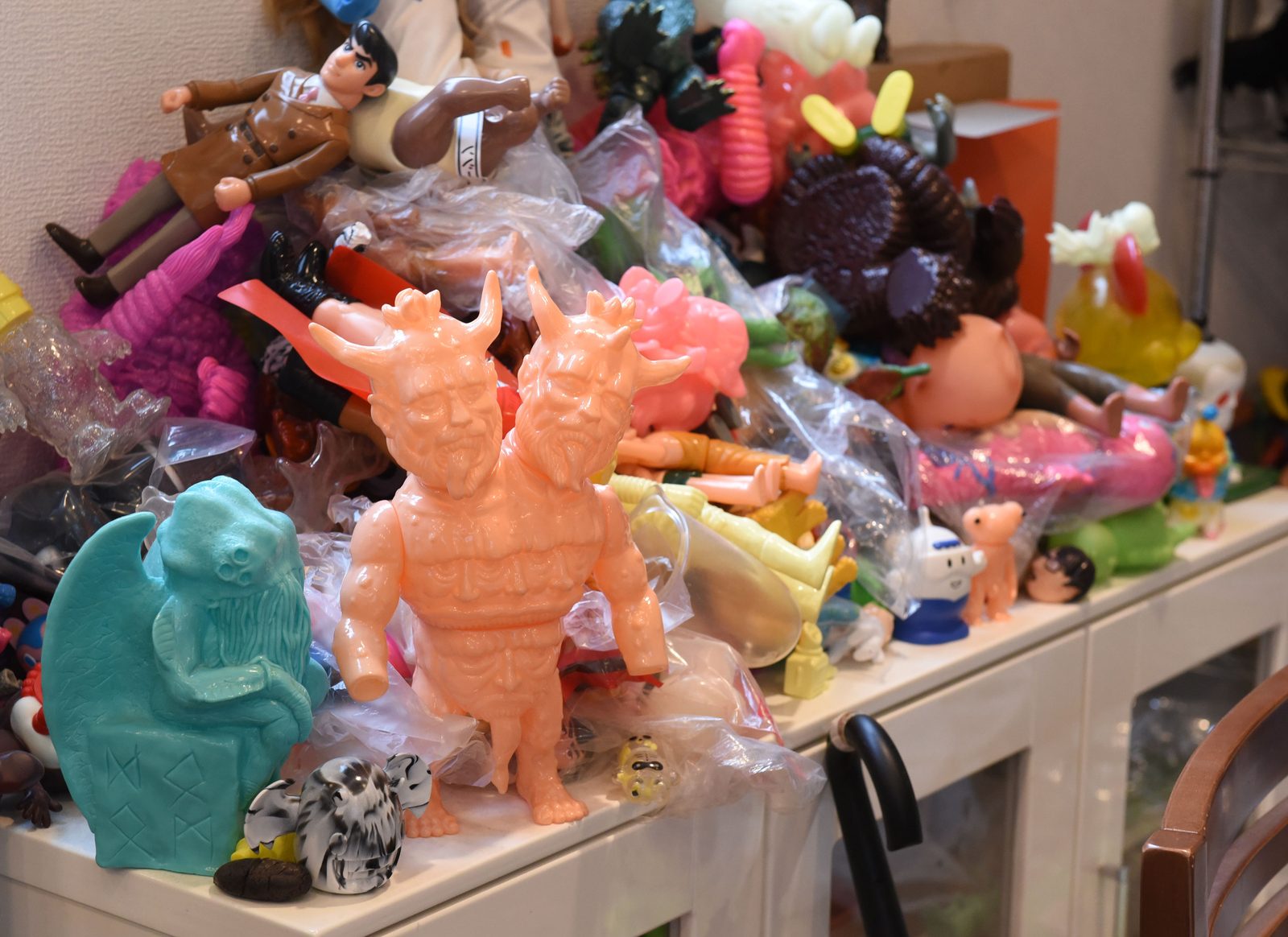
What Makes Sofubi Different
A wax prototype is sculpted by hand, then electroplated into a metal mould. Liquid PVC is poured in, placed in a 200°C chemical bath, and manually extracted by artisans using heavy-duty tongs. Each piece is hollow, lightweight, and subtly unique. A single figure involves around eight specialist workshops from concept to completion. The process hasn't fundamentally changed since Marusan Shoten made the first Godzilla sofubi in 1966.
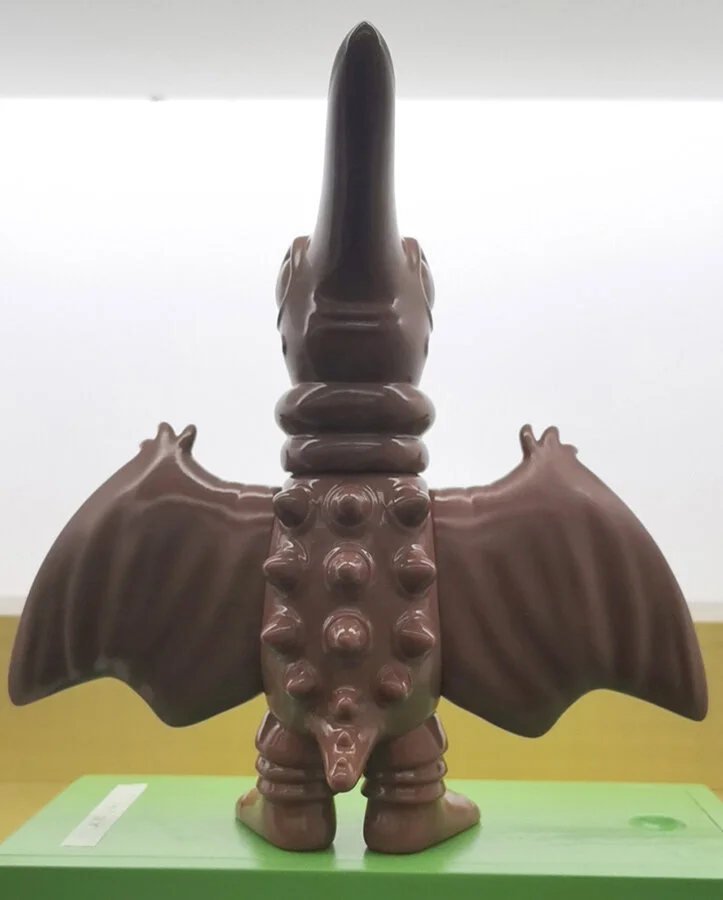 Hand-pulling a sofubi figure from the heated mould — the artisanal step that separates Japanese production from factory vinyl
 Konatsuya's Negora — the cat-kaiju character that bridges kawaii and monster aesthetics. Konatsu has 67,000+ Instagram followers, making her the scene's most visible artist
 Secret Base Skull Toys by HIDDY — Harajuku storefront since 2001, named by Bounty Hunter's Hikaru Iwanaga on Christmas Eve
 RealxHead by Mori Katsura — one of the most coveted sofubi producers, confirmed at ToyCon UK 2025 and Wonder Festival 2026
The Kaiju DNA
Sofubi exists because of kaiju. Marusan's 1966 Ultra Q figures invented the medium. The grotesque beauty, vivid colour, and exaggerated form of those original monsters still define the visual DNA of the scene — even when contemporary artists create original characters. The creatures have changed; the craft hasn't.
 Gargamel's Zagoran — legendary sculpt commanding steep secondary market prices. Annual spring lucky bag releases are immediate sellouts
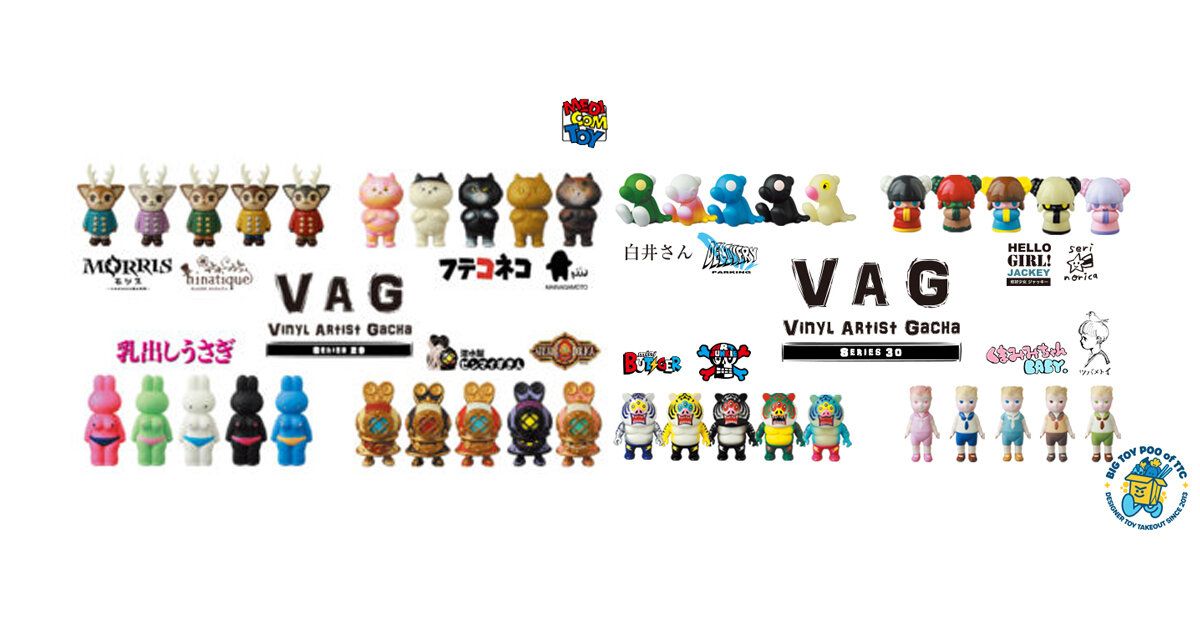 Medicom Toy's Vinyl Artist Gacha — 500-yen capsule collaborations with sofubi artists, the most accessible entry point into the scene
 Super Festival 90 (January 12, 2026) — the quarterly Tokyo event where artists sell directly. Super Festival 91 is April 27 at West Tokyo
There's a specific moment at every Super Festival where you realise what you're looking at isn't a toy market. It's an art scene that happens to use PVC as its medium.
The tables are small. The runs are smaller — five pieces, twenty pieces, maybe fifty if the artist is feeling generous. Each figure is hand-pulled from a metal mould in a 200-degree chemical bath by someone who learned the process from someone who learned it from the people who made the first Godzilla toys in 1966. The vinyl is hollow, lightweight, and painted using copper masks and hand-applied detail that makes every piece subtly different from its siblings. When collectors talk about a sofubi figure being "unique," they're not using marketing language. They're describing a manufacturing reality.
Super Festival 90 ran January 12 at West Tokyo. Wonder Festival 2026 Winter is this Saturday, February 8, at Makuhari Messe. The sofubi scene is not slowing down.
The Scene Right Now
The active roster of Japanese sofubi artists reads like a gallery catalogue with toy-store distribution. Konatsuya (Konatsu) is the most visible name — 67,000 Instagram followers, a signature cat-kaiju character called Negora that bridges kawaii aesthetics with monster tradition, and a consistent presence at every major event. Secret Base (HIDDY) has operated out of a Harajuku storefront since 2001, producing Skull Toys and Devilman collaborations that collectors treat as portable sculptures. RealxHead (Mori Katsura) is the name that makes other artists nod respectfully — highly coveted, present at ToyCon UK 2025, and expected at Wonder Festival this weekend.
Then there's Medicom Toy, which operates at a different scale entirely. Tatsuhiko "Ryu" Akashi's company produces over 800 products annually, runs the "Godzilla: Vinyl Wars" collaboration, and — critically — maintains the Vinyl Artist Gacha capsule series: 500-yen capsule toys made in collaboration with sofubi artists. At five dollars a piece, these are the most accessible entry point into the scene. The quality is modest, the runs are large, but the curation is real. Akashi actively scouts emerging artists for the programme, which functions as both entry-level product and talent pipeline.
The broader roster runs deep: T9G (original kaiju-inspired sculpts), Uamou (Ayako Takagi's character-led brand that's expanded into jewellery and fashion), Gargamel (whose Zagoran sculpt commands steep secondary prices and whose annual spring lucky bags sell out instantly), Goccodo (skull-themed legends), Izumonster (a former tattoo artist from Nagoya known for vivid colour), and Dehara Yukinori (prolific collaborator, distinctive character voice). Each operates as an independent studio. None of them answers to a corporate product development cycle.
The Production Reality
The gap between sofubi and everything else in the vinyl figure market comes down to one word: hands. In mass-production facilities, vinyl pours automatically into moulds. In Japanese sofubi workshops, artisans pull each figure by hand. A single piece involves roughly eight specialist companies — sculptor, mould producer, joint-maker, plating specialist, colourist, assembly team. The pipeline is collaborative, multi-generational, and stubbornly analogue.
Purists in the community draw a hard line between "sofubi" (hand-pulled Japanese production) and "sofvi" (mass-produced vinyl from Chinese factories marketed under similar aesthetics). The distinction matters because it's not gatekeeping for its own sake — it's a quality argument about what the production method contributes to the final object. A hand-pulled figure has material variation that machine-poured vinyl doesn't. The walls are slightly uneven. The paint sits differently on surfaces that weren't robotically smoothed. These are features, not defects.
Collectors who've handled both describe the difference as immediately tactile. You can feel it in the weight, the flex, the way light catches the paint. The Japan Times called it "Showa-era technology producing objects that feel more present than anything coming off a modern production line." That tracks with what you see at events: people picking up pieces, turning them in their hands, deciding with their fingers before their eyes.
The Price Spectrum
The market stratifies cleanly:
- ¥500 (~$3): Medicom Vinyl Artist Gacha capsules. Entry level, high curation.
- $80-200: Standard retail sofubi. Smaller runs, may be Japan-made.
- $150-650: Artist editions. Hand-pulled, runs of 5-50, sold at events or by lottery. This is where Secret Base, RealxHead, and Gargamel operate.
- $650+: Premium and large-scale sculpts. Elaborate paint, extremely limited. One-off customs reach four figures.
- Secondary market: Sold-out pieces routinely double in value. Secret Base Devilman sets move from $160 retail to $300 resale. Scarcer grails — RealxHead exclusives, early Gargamel runs — can hit $800-1,000.
The criticism is fair: PVC is one of the cheapest plastics in toy manufacturing, and comparable mass-produced figures retail for $40. The premium is for the craft, the limitation, and the cultural lineage. Whether that premium is justified depends entirely on whether you value the object as a product or as an artefact of a specific creative tradition. The community has made its position clear.
The Gender Shift
The stereotype of sofubi collecting as a male otaku hobby is increasingly outdated. The most innovative artists in the current scene include Ayako Takagi (Uamou), Konatsu (Konatsuya), Teresa Chiba (folk-toy-inspired pieces), and Kaori Hinata. International women artists like Candie Bolton (2017 Designer Toy Awards breakthrough artist) and Remjie Malham (psychedelic paint applications) are pushing the aesthetic in directions that the kaiju-nostalgia old guard didn't anticipate. The fan demographic is shifting accordingly.
Where to Find It
In Tokyo: Mandarake at Nakano Broadway remains the epicentre — 26 specialty shops across four floors, with Mandarake Special dedicated to sofubi, chogokin, and garage kits. Prices vary between branches even within the same building. Bring your passport; tax-free kicks in at ¥5,000.
At events: Super Festival (quarterly, Tokyo and Osaka — next is April 27), Wonder Festival (biannual, Makuhari Messe — this Saturday February 8), Design Festa, and the dedicated Mandarake Sosaku Sofubi Kekki Shukai. International events include DesignerCon (Anaheim, the only US show with Medicom as exclusive partner), ToyCon UK, and Five Points Fest in New York.
Online: Tenacious Toys, Captivated, Vicious Fun, and Toy Art Gallery for Western retailers. CJ Mart for Medicom direct. But the real drops happen at events and through artist lotteries on Instagram and X. If you're not following the artists directly, you're not seeing the releases.
The scene is 60 years old and hasn't industrialised. In a market dominated by pre-painted PVC statues that arrive in branded boxes from Chinese factories, sofubi's persistence is either a beautiful anachronism or a quiet argument that some objects are worth making slowly. The collectors at Super Festival aren't confused about which one it is.
Loading...