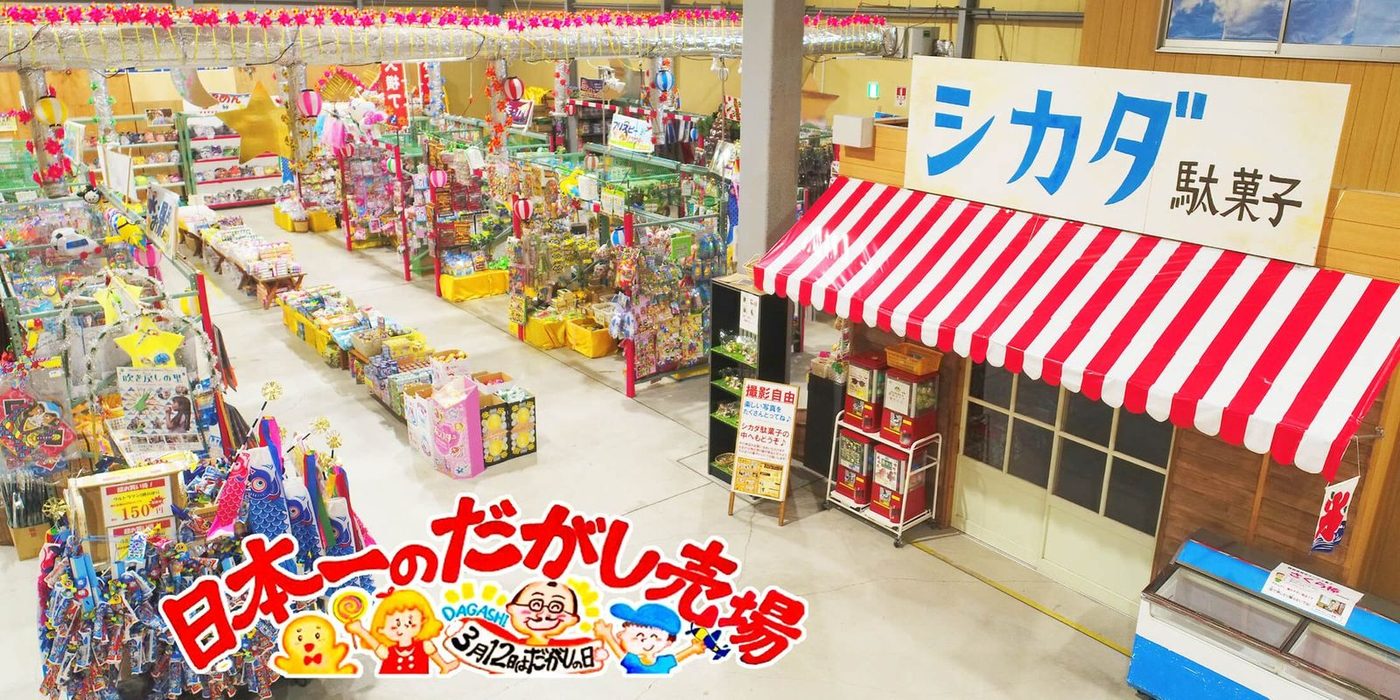
Dagashi-ya shops were the original platform for creative candy — low prices forced manufacturers to compete on novelty, packaging, and interactivity rather than ingredients. They created the market conditions that produced every weird Japanese candy that followed.
The word dagashi (駄菓子) breaks down to "da" (駄, low-quality/cheap) and "kashi" (菓子, sweets). During the Edo period, the distinction mattered: jogashi (上菓子) were refined sweets made with imported white sugar, sold to samurai and aristocrats. Dagashi were cheap sweets made with domestic brown sugar and grain syrup, sold to everyone else. The class divide was baked into the names.
By the Meiji era, dagashi-ya shops had established themselves near elementary schools — small storefronts where everything cost a few yen and the target customer was a child with pocket money. The Showa period (1926-1989) was the golden age. After school, children gathered at the dagashi-ya the way American kids gathered at corner stores — except the dagashi-ya was smaller, cheaper, and weirder. A single shop might carry hundreds of products, each priced at ¥5-30, each competing for a child's attention with packaging alone.
This competition created the conditions for creative escalation. When your customer has ¥50 and every option costs the same, you don't win on ingredients. You win on novelty. Wrappers with games printed on them. Candy that changes colour. Mystery flavours. Atari marks (当たり) hidden inside packaging — prize indicators that could be redeemed for a reward at the shop counter. The dagashi-ya was a marketplace where interactivity, surprise, and visual appeal mattered more than taste. This is the direct ancestor of every weird Japanese candy that followed.
The dagashi-ya declined as convenience stores expanded during the Bubble Economy (1986-1991). Konbini offered better hours, air conditioning, and the same snacks at similar prices. Most neighborhood dagashi-ya closed. What survived was the nostalgia.
Dagashi bars appeared in Shinjuku, Shibuya, and Ikebukuro — izakaya-style establishments decorated in Showa-era retro style where customers pay a ¥500 cover charge for two hours of all-you-can-eat dagashi alongside alcoholic drinks. The experience is explicitly nostalgic: adults eating the candy they ate as children, in a space designed to evoke the shop they visited after school. Bungo Takada — a town in Oita Prefecture — rebuilt its entire shopping street as a Showa nostalgia destination, complete with dagashi-ya shops. The Dagashi Kashi manga (2014, Weekly Shonen Sunday) and its anime adaptation (2016-2018) featured real dagashi brands by name, treating them with the reverence usually reserved for fine cuisine. Manufacturers reported sales spikes after episodes aired.
The dagashi-ya is gone as a daily institution. As a cultural reference point — the place where weird candy was born, where packaging became entertainment, and where a ¥10 sweet could win a child's loyalty — it persists.
- Umaibo (1979) — corn puff snack with 60+ flavours, mascot Umaemon (Doraemon reference). Individually wrapped, revolutionary for dagashi.
- Atari marks (当たり) — prize indicators printed inside wrappers. Unwrap, check for winner, return to shop for reward. Gamified packaging predating gashapon.
- Dagashi Kashi manga/anime (2014-2018) — featured real dagashi brands by name, caused sales spikes.
- Dagashi bars — Shinjuku/Shibuya izakayas with Showa decor, ¥500 cover for 2-hour all-you-can-eat dagashi.
- Nippon Ichi no Dagashi Uriba — Japan's largest dagashi store in Okayama, a warehouse-scale nostalgic retail destination.
- Showa-era nostalgia economy (kissaten, city pop revival)
- Konbini as successor retail space
- Gashapon randomness as descendant of atari prize marks
Loading...