Giant Robo works because of what it refuses to separate: classic superhero sincerity, tragic storytelling, theatrical direction, orchestral music, and lavish hand-drawn animation. It is less like a typical mecha anime and more like an animated opera about heroism and inherited guilt.
The Shizuma Drive is the premise. An energy system that powers the entire world, clean and infinite — and built on a catastrophe that the scientists responsible buried for thirty years. The series spends seven episodes asking what happens when the people who built the world on that catastrophe have children, and what those children owe.
That question is not subtle. The characters say it out loud, in speeches, with orchestral brass underneath. Imagawa was not making a subtle show. He was making an opera.
The OVA format gave him the conditions: years between episodes, large budgets, obsessive craftsmanship per installment. Giant Robo used all of it. Every episode looks like a short film. The result is six years of hand-drawn animation that neither television production schedules nor theatrical film budgets could have produced — something that existed only because the LaserDisc market in Japan kept OVA economics viable long enough for Imagawa to finish it.
- The music. Masamichi Amano recorded the score with the Warsaw Philharmonic Orchestra — full orchestral brass and choir for a 1990s OVA. The budget and ambition are audible in every battle sequence. Wagner-scale sound for a boy and his robot.
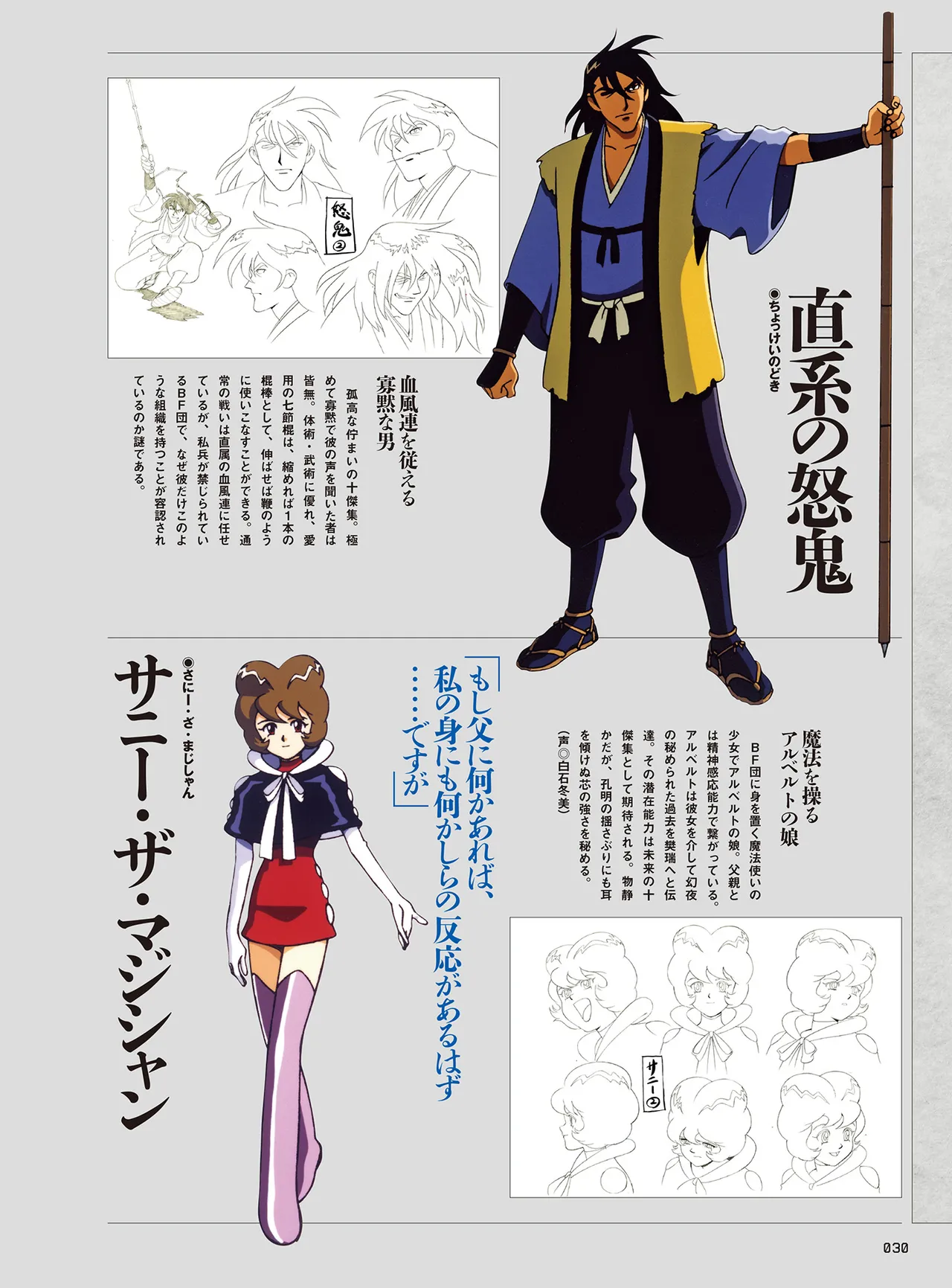
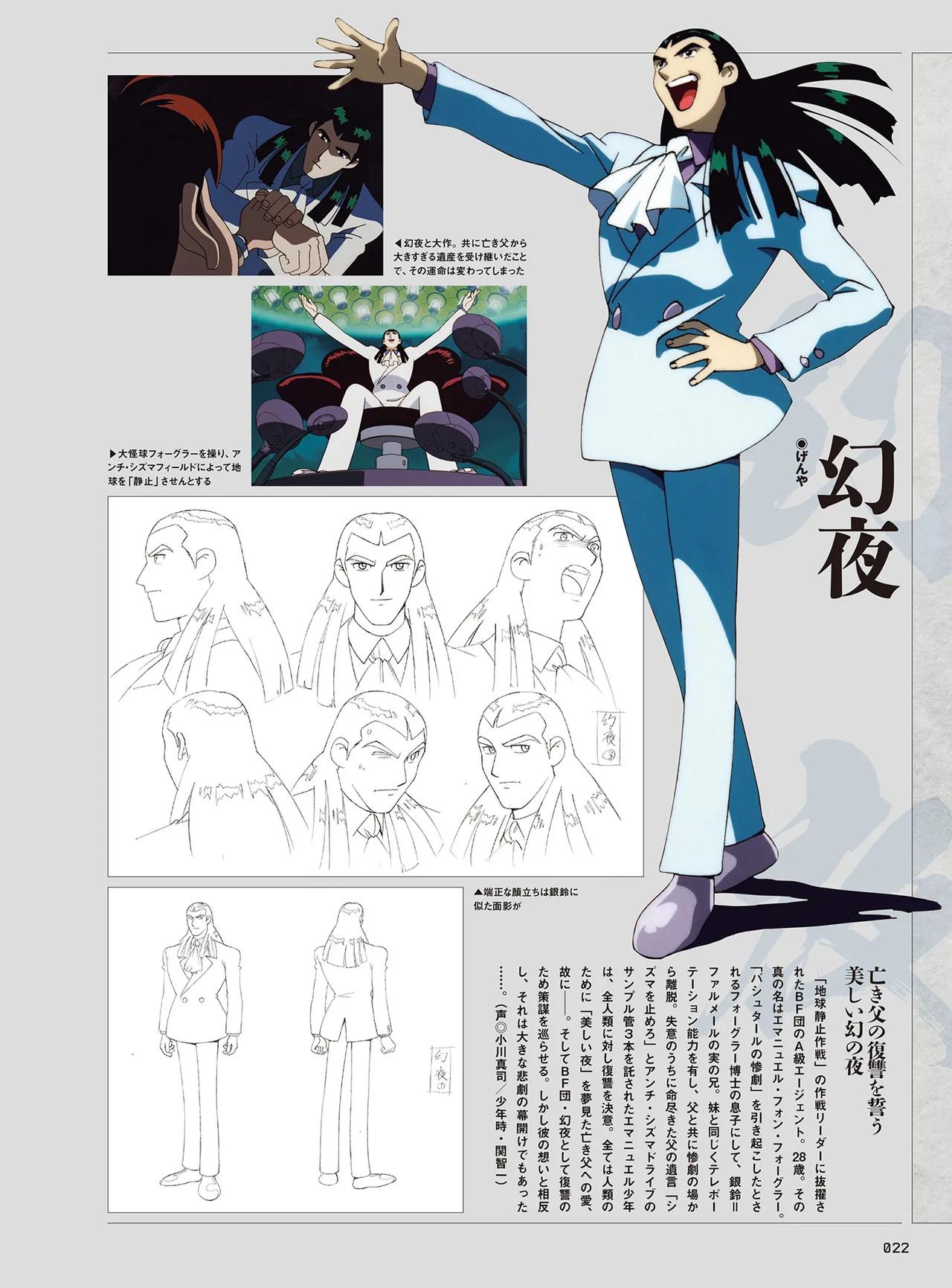
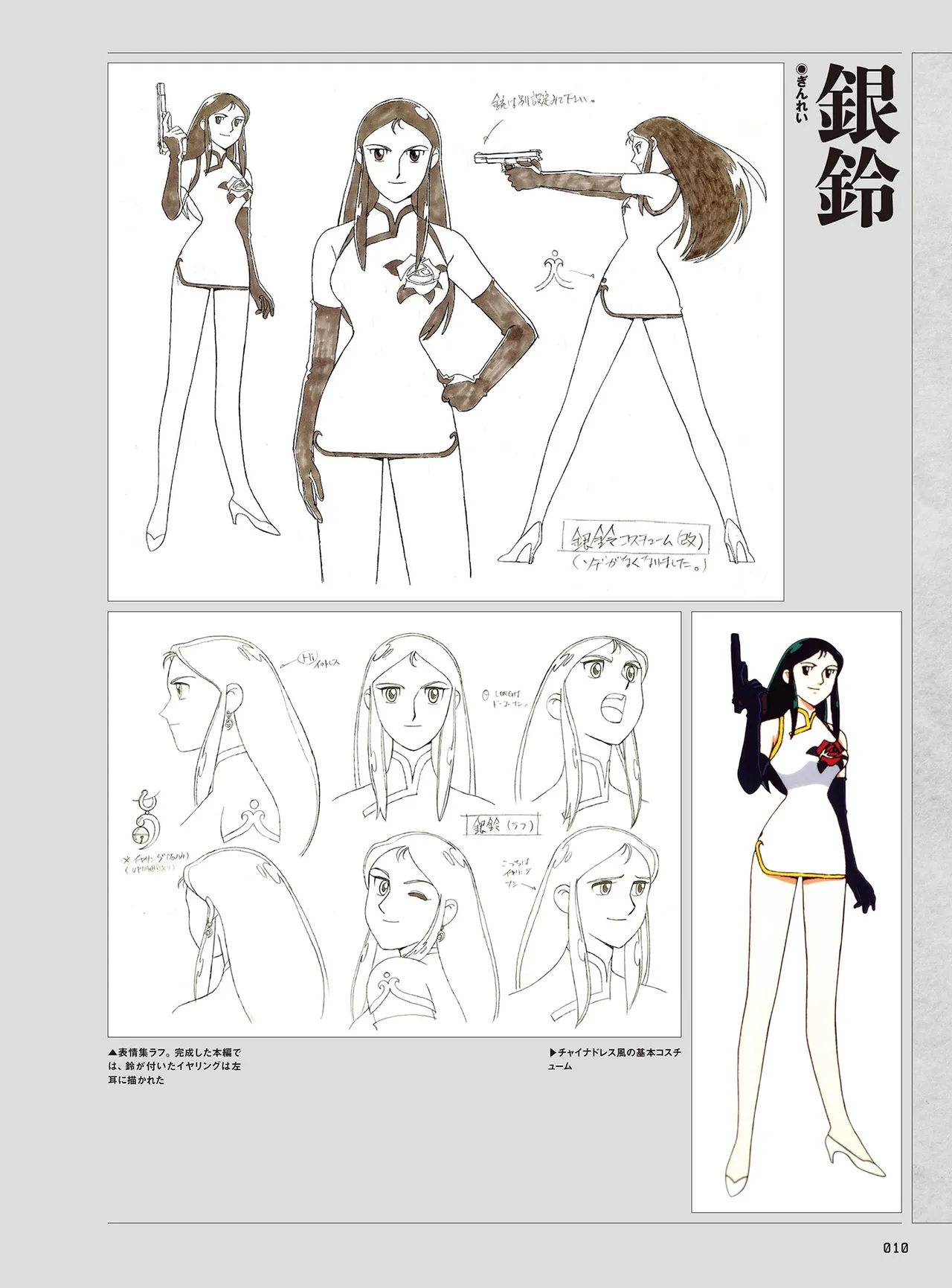
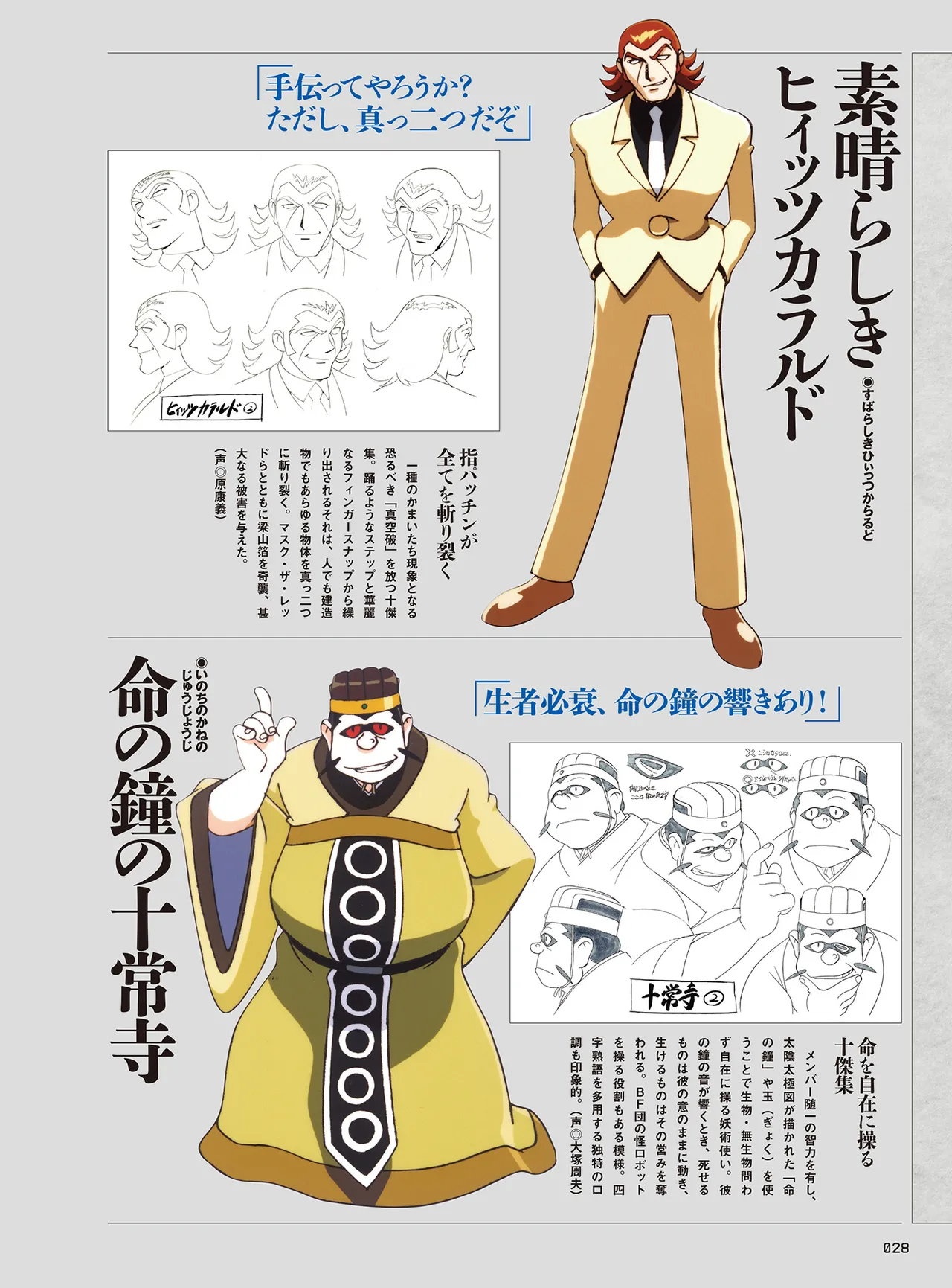
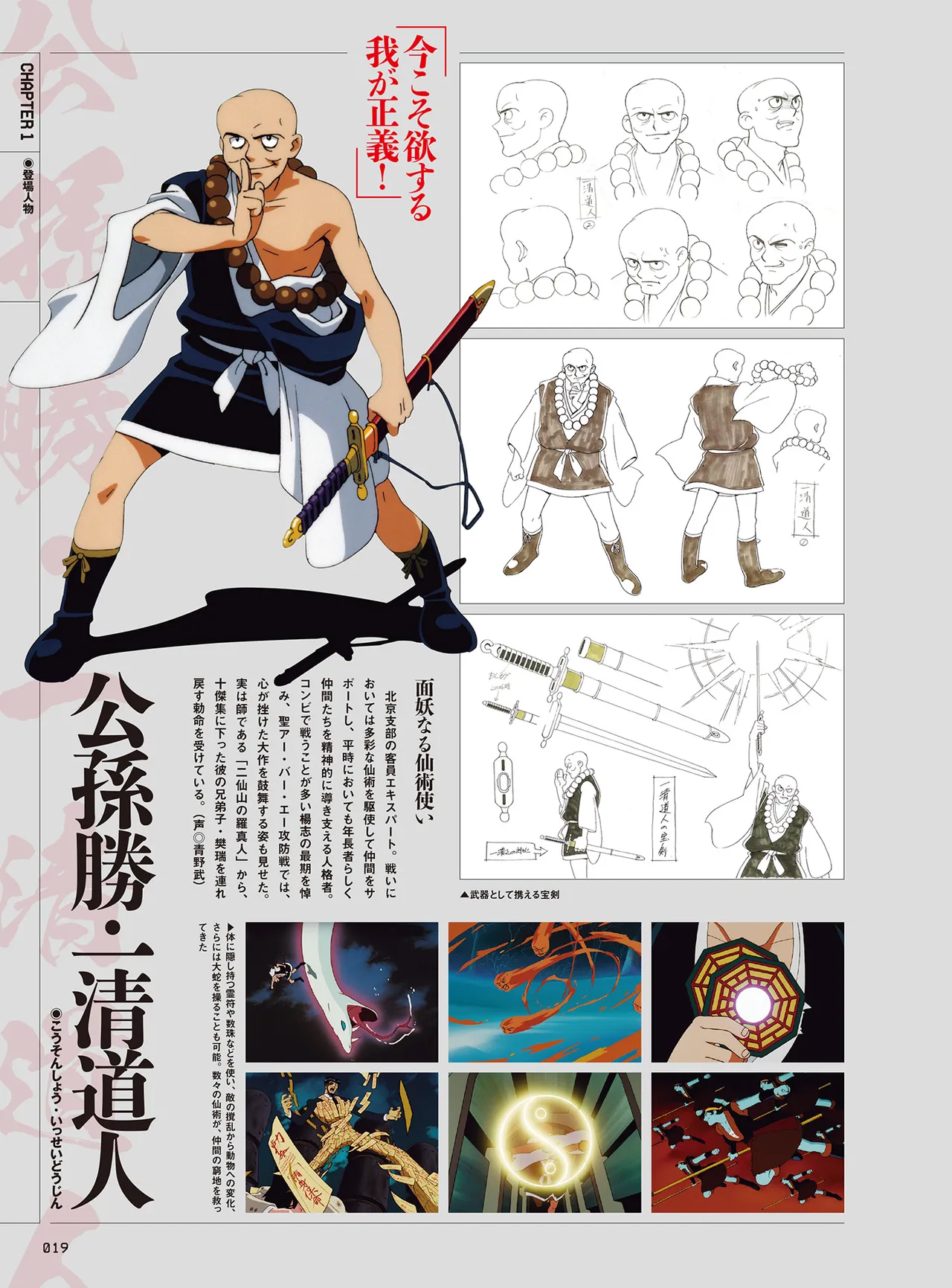
- The source material. Director Yasuhiro Imagawa combined characters from five different Mitsuteru Yokoyama manga — Water Margin, Babel II, Romance of the Three Kingdoms, Akakage, the original 1967 Giant Robo — into a single world. The Ten Magnificent fighting for Earth are Water Margin heroes. The villain organization is from Babel II. The strategist is Zhuge Liang. For Japanese viewers it was a grand crossover event. For Imagawa it was the argument that all of Yokoyama's fictional universes were always one world.
- The pacing. Imagawa treats anime like stage direction: dramatic pauses, characters who announce their intentions in speeches, exaggerated emotional acting that reads as theatrical rather than melodramatic. The show is intentionally old-school — inspired by kung-fu films, 1960s tokusatsu, historical epic cinema. That decision makes it feel timeless rather than dated.
- The characters are driven by tragedy. The Shizuma Drive powers the entire world. Its origin is the catastrophe that defines every major character's life — what they did, what their fathers did, what they're trying to atone for. The series starts as a superhero adventure and ends as a moral reckoning.
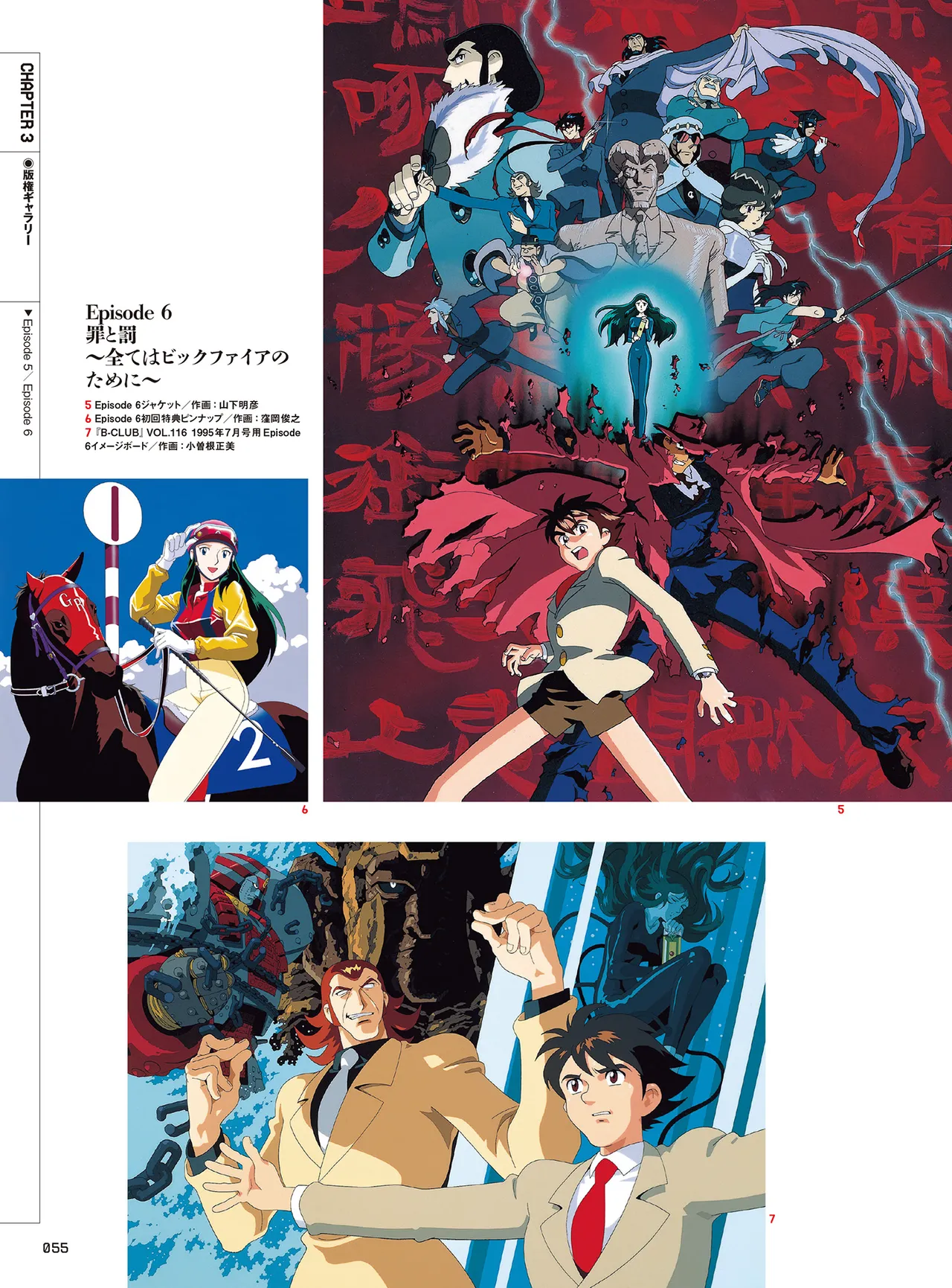
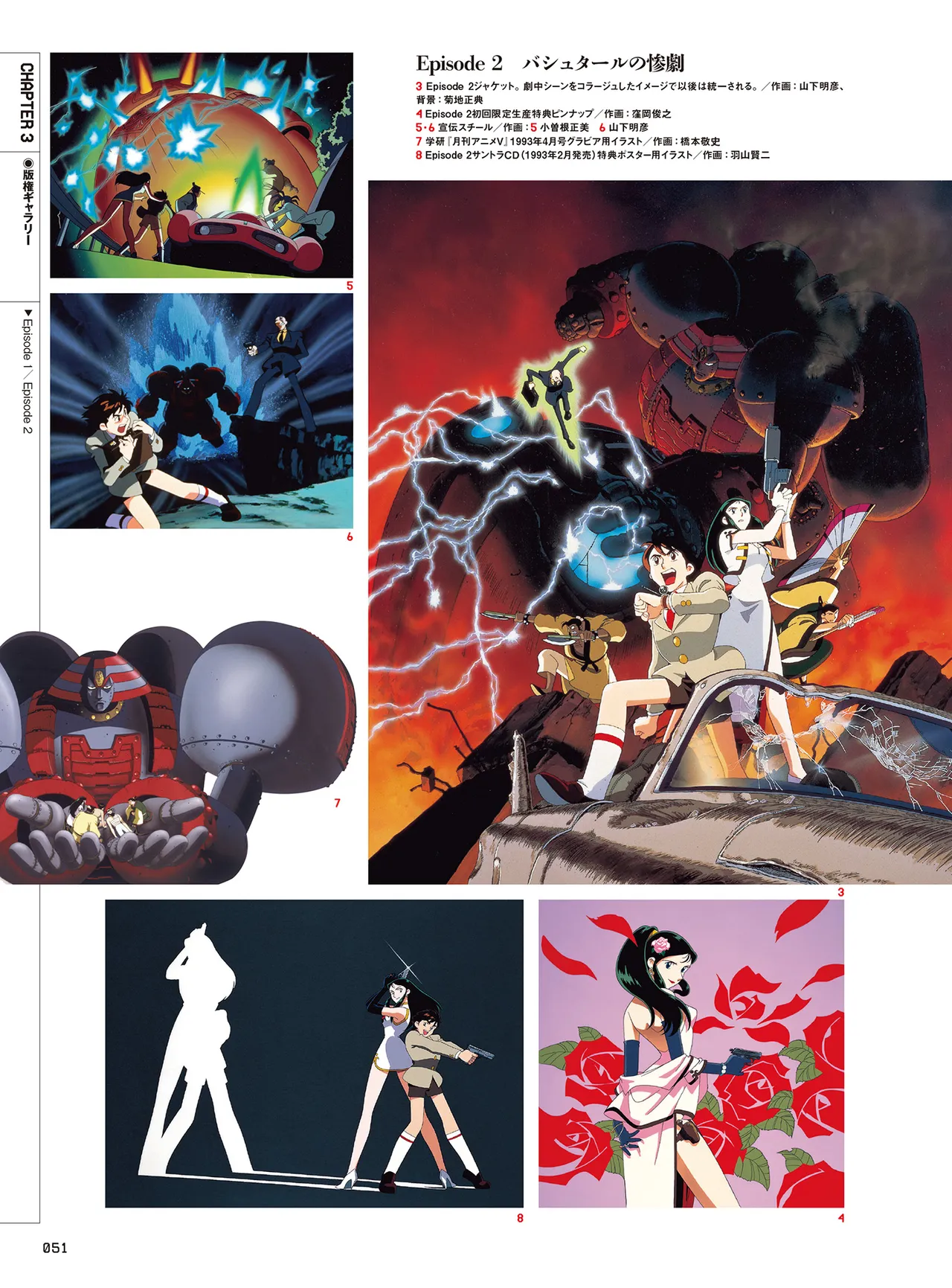
- ジャイアントロボ 30th ANNIVERSARY BOOK — seven LD jacket artworks by Yamashita Akihiko
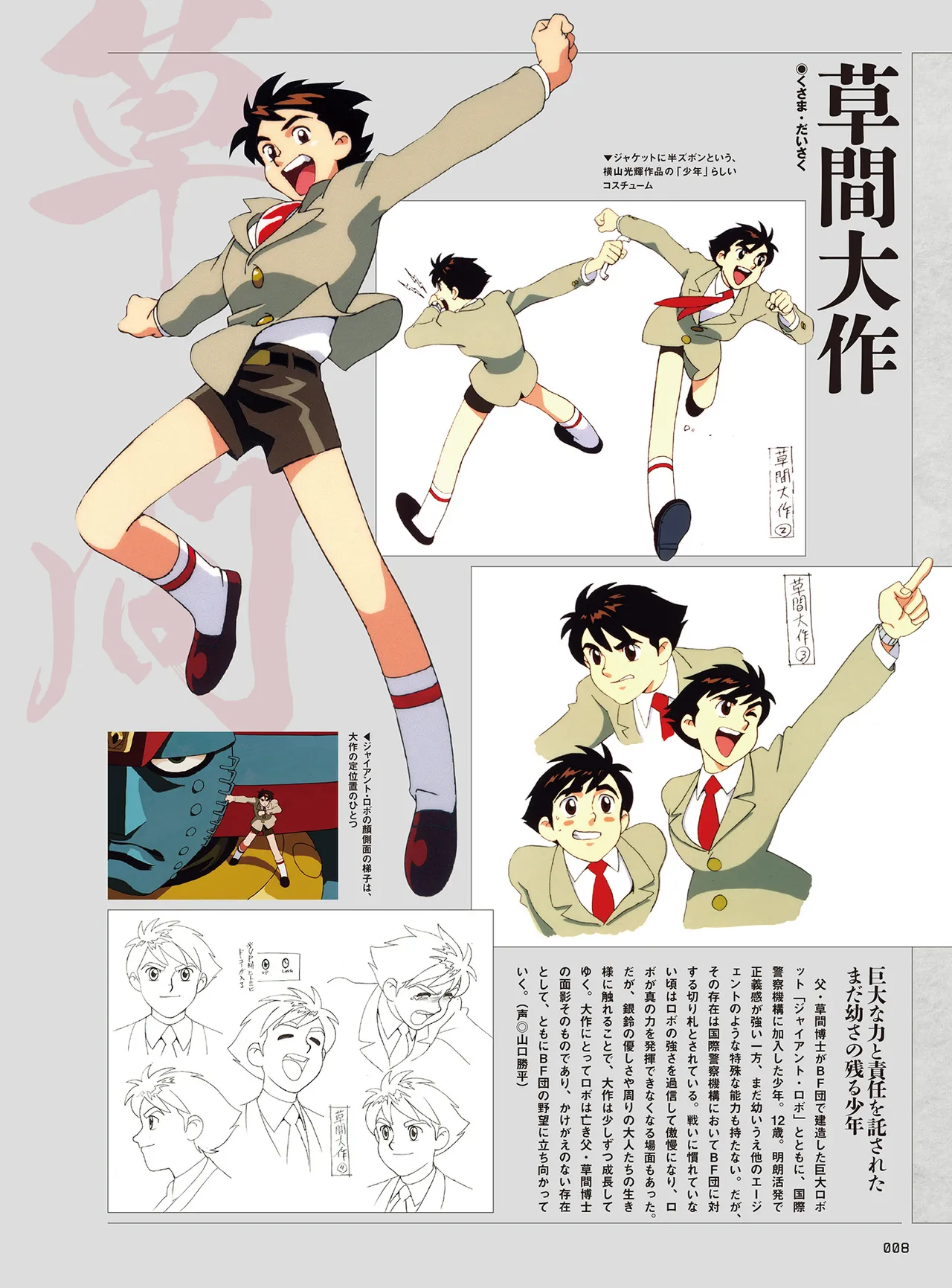
- 草間大作 — the protagonist from the original 1967 Yokoyama manga
- 不死身の村雨健二 — the emotional spine of the series
- 策士・諸葛亮孔明 — Zhuge Liang, whose allegiances define the plot
Loading...