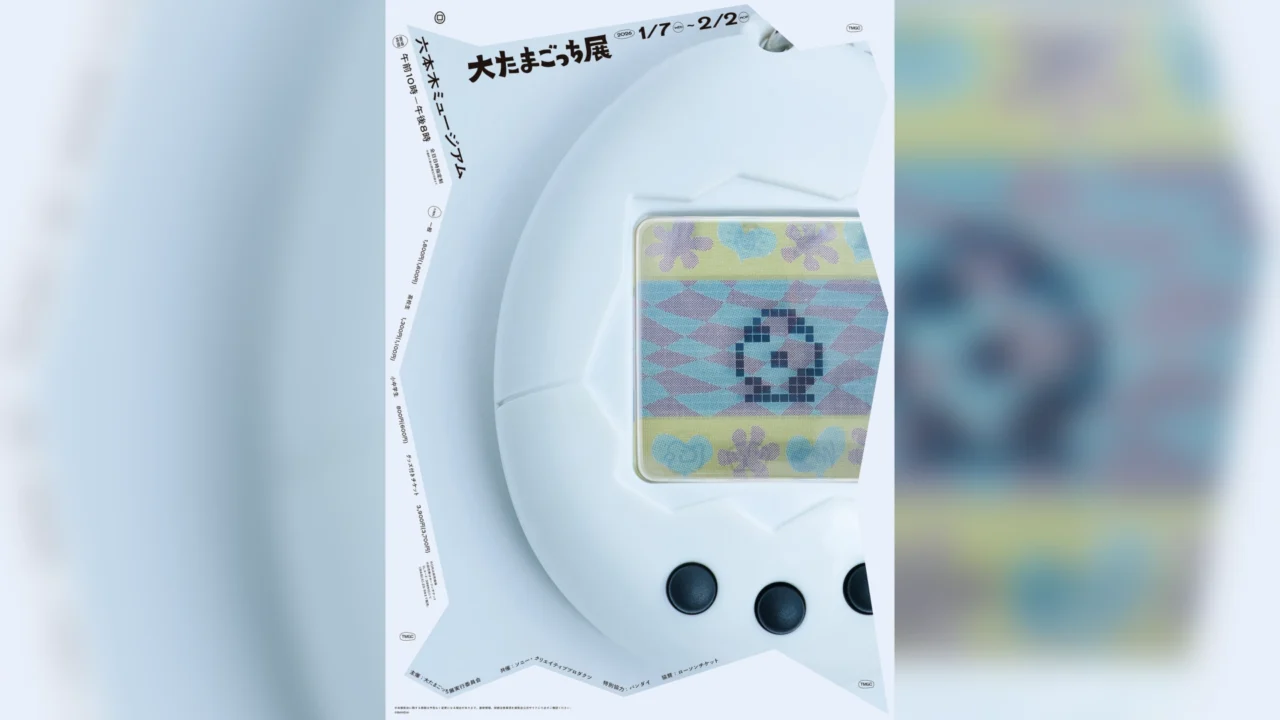
Why does a toy that beeps and dies still make people feel something?
There is a specific feeling that comes from hearing a Tamagotchi beep in another room.
It is not nostalgia. Nostalgia requires distance, and this is immediate — a small tug behind the sternum, directed at a creature made of sixteen pixels on a liquid-crystal display inside a plastic egg that weighs less than a AA battery. The creature is not hungry. It cannot be hungry. It is an arrangement of electrical signals interpreted through a piezo speaker.
You check on it anyway.
Most people who have owned a Tamagotchi can describe this feeling but almost none of them have a word for it. It is the experience of being needed by something that cannot need you — and discovering that the obligation feels good. Not fun exactly. Not entertaining. Good, in the way that watering a plant feels good, or checking on a sleeping child. A small, recurring proof that you are the kind of person who takes care of things.
Bandai released the first Tamagotchi on November 23, 1996. It sold 82 million units in two years. Children woke up to find their pets dead overnight because there was no pause button. Schools across Asia and North America banned the devices because they beeped during class. Buddhist temples in Japan began offering memorial services for deceased virtual pets. A toy designed for teenage girls in Shibuya became the first mass-market proof that humans will form genuine emotional bonds with machines — not because the machine is convincing, but because the act of care is real.
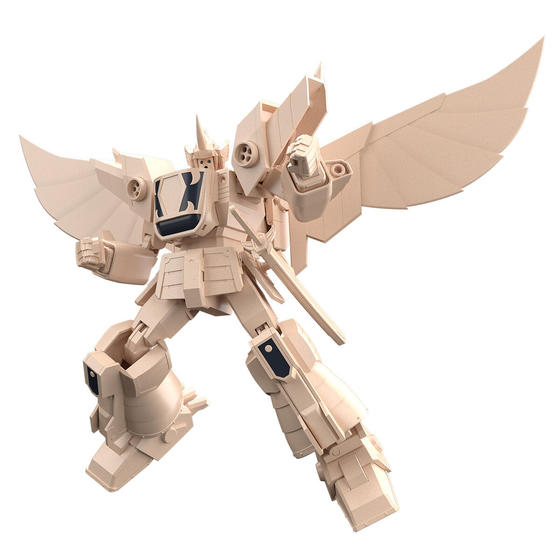
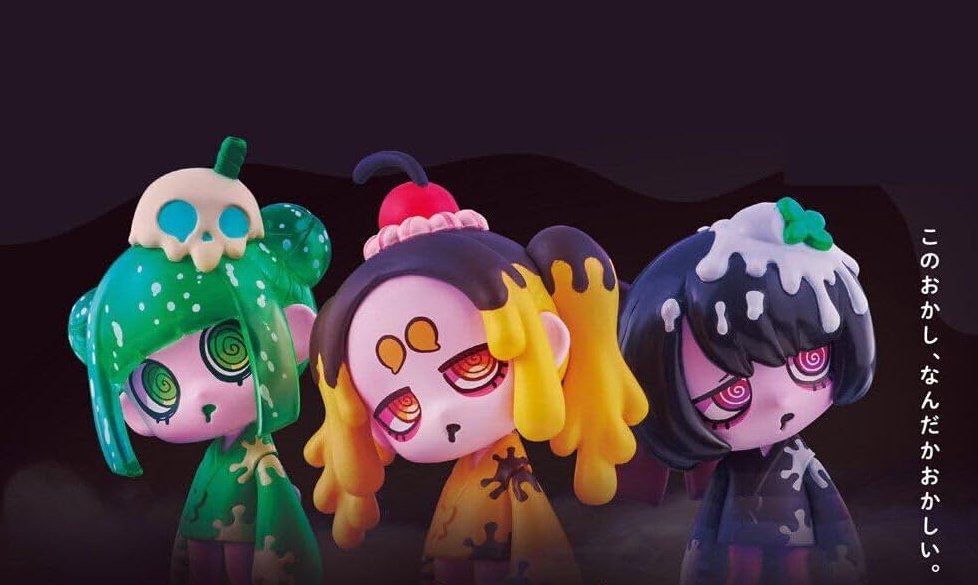
Twenty-nine years later, the egg is still hatching. Tamagotchi has shipped over 100 million units worldwide. It has collaborated with Supreme, Evangelion, Coperni, and BE@RBRICK. Its shell appeared on the runway at Paris Fashion Week. Its characters became gashapon capsule toys. Its core mechanic — the beep, the guilt, the quiet check-in — predates and prefigures every notification on your phone.
What follows are the objects, the collaborations, and the design decisions that turned a plastic egg into a world that will not stop expanding.





Loading...