Why does every Japanese candy toy include a tiny, terrible piece of gum that nobody eats?
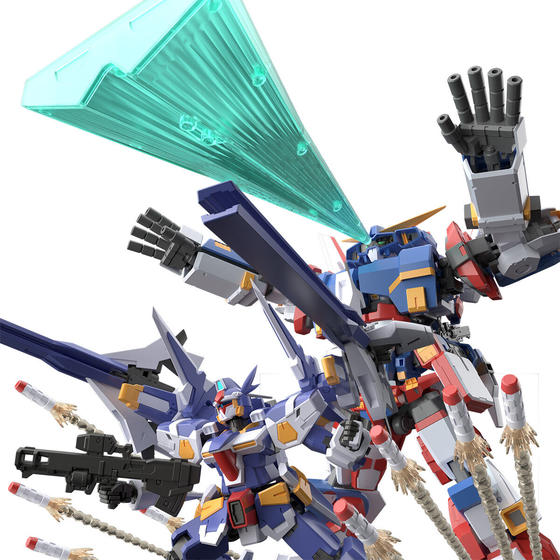
A ¥5,000 box arrives from a Japanese convenience store. Inside: colour-separated plastic runners, snap-fit joints, articulated limbs, and a combining gimmick that merges five vehicles into a single robot. Assembly takes two hours. The completed model rivals anything in Bandai's premium Gunpla line. Also inside the box: one piece of flat soda-flavoured gum, wrapped in cellophane.
The gum weighs less than the instruction sheet. Nobody chews it. It has the flavour profile of a regulatory document. It is always there.
That gum is the reason the product exists on a candy shelf at Lawson instead of a hobby shop in Akihabara. Its presence is not accidental. It is the entire business model.
Under Japanese tax law, food is taxed at 8%. Everything else is taxed at 10%. More importantly, food can be sold anywhere food is sold — and in Japan, that means the candy aisle of 56,000 convenience stores. The gum reclassifies a precision model kit as confectionery. The confectionery classification grants access to the most powerful impulse-buy infrastructure on earth. A salaryman buying an onigiri for lunch looks down at the lower shelf and encounters a Gundam figure at ¥693, sitting between Kit-Kats and Pocky. He wasn't looking for it. The toy found him.
This is shokugan (食玩) — a portmanteau of food (食品) and toy (玩具). A product category engineered around a piece of gum that nobody eats. The category has been running since 1927, when Glico put wooden toys inside boxes of caramel because the founder believed "the two most important missions of children are eating and playing." A century later, one of those candy toys — Bandai's Mojibakeru, kanji characters that physically transform into the animals they represent — entered MoMA's permanent collection.
The gum was presumably not included in the acquisition.
What follows is the history, the regulation, and the objects that make a museum-quality collectible legally a snack.
Loading...