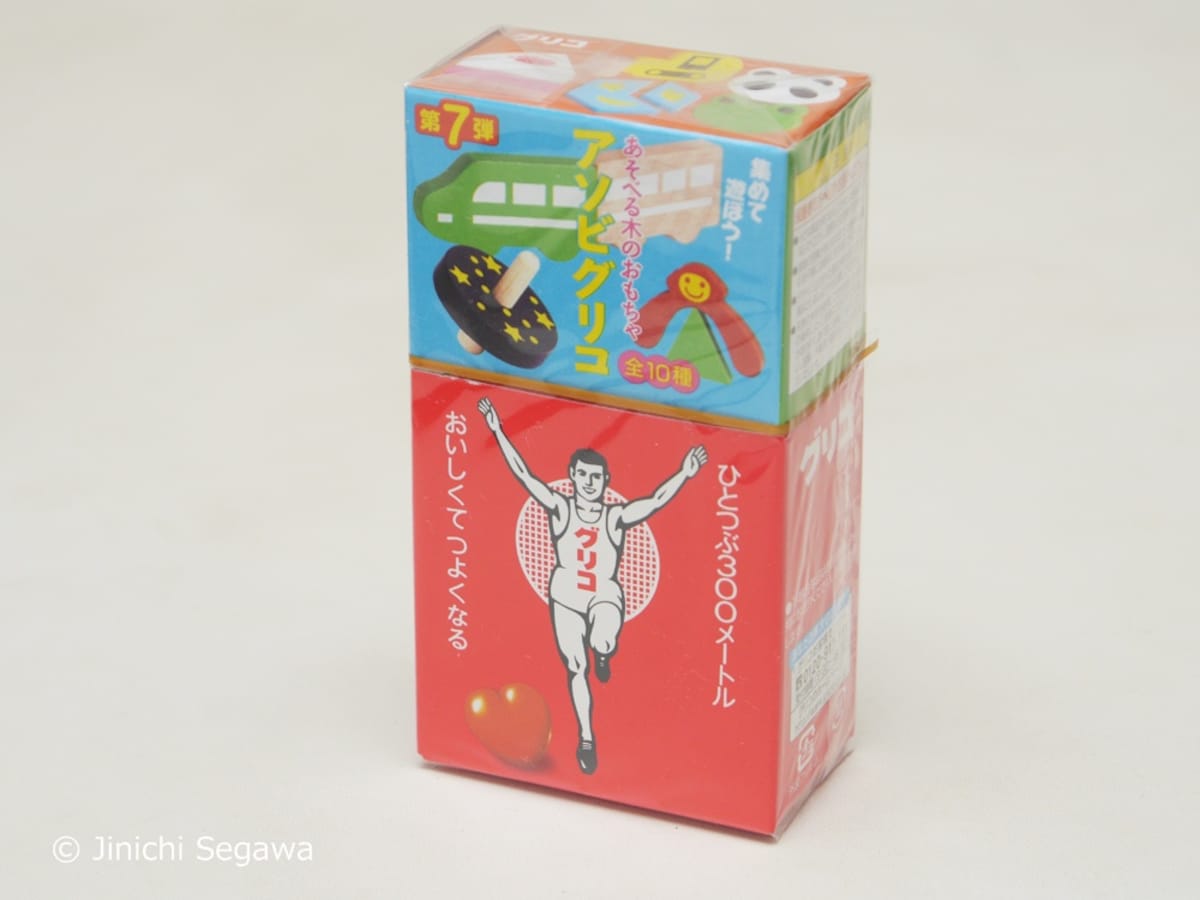
In 1927, Glico put a tiny wooden toy inside every box of caramel. The founder believed children's two most important missions were eating and playing.
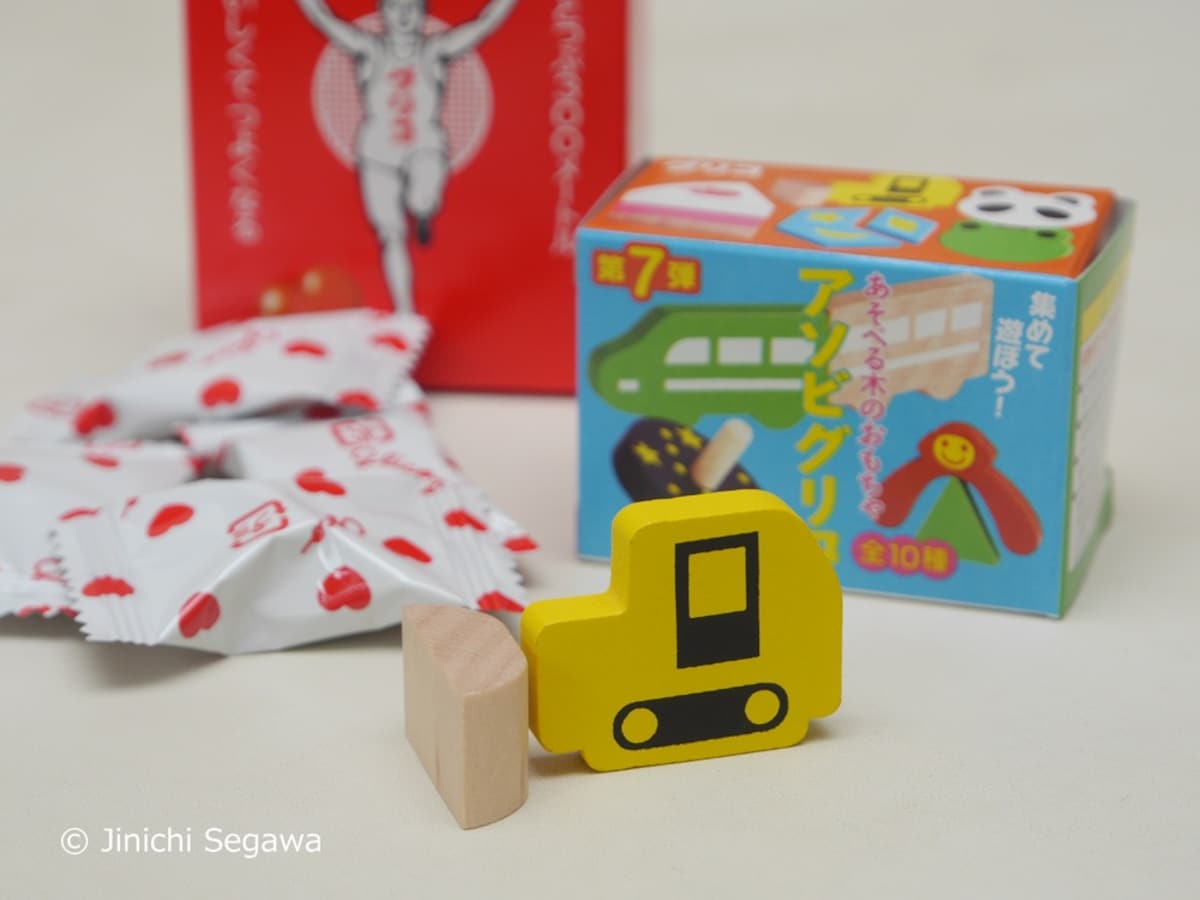 Close-up of Glico's wooden omake toy alongside heart-shaped caramels — the 1927 formula unchanged
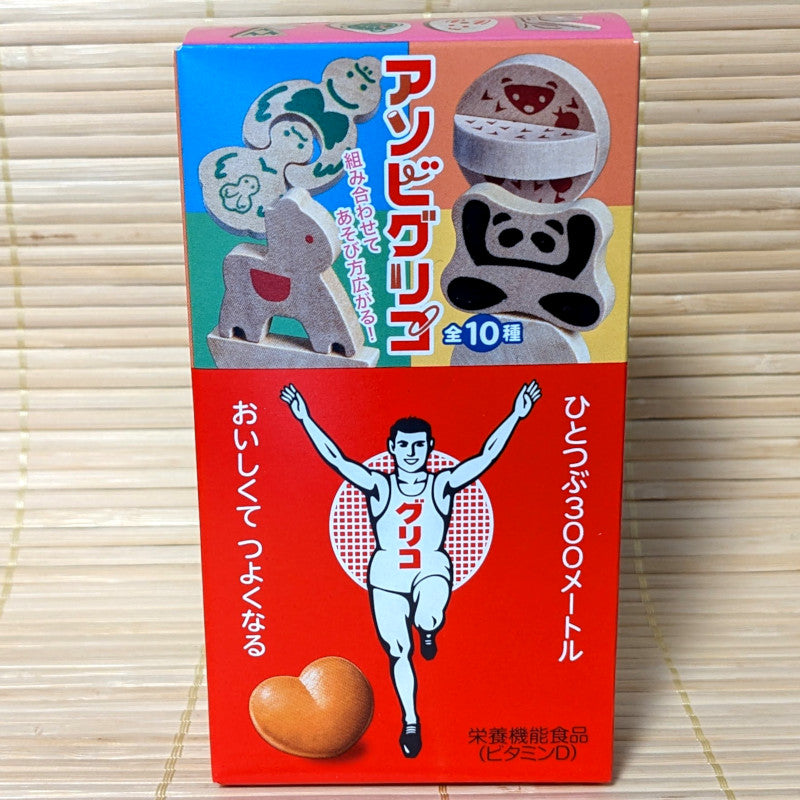 Modern Glico Caramel with wooden toy — continuity from 1927 to today
The Numbers
1919: Glycogen discovery. 1922: Glico founded, picture cards in boxes. 1927: First toy omake. 1929: Toy placed at top of box for visibility. 30,000+: Different omake designs produced. 100 years: The format endures.
In 1919, Ri-ichi Ezaki was walking through Saga Prefecture when he saw children eating oysters at a fishing port. He learned that oyster broth contained glycogen — a nutrient he believed could strengthen growing bodies. He named his company after it. By 1922, Ezaki Glico was selling heart-shaped caramels fortified with glycogen, each box containing a picture card. By 1927, the picture cards had evolved into small toys. The omake was born.
The Glico Caramel box has changed remarkably little since. The heart-shaped caramels. The small window showing the toy inside. The Running Man logo — a sprinter with arms raised — that eventually became the neon sign in Osaka's Dotonbori district, now one of Japan's most photographed landmarks. The company has produced over 30,000 different omake designs across the line's history. Wooden toys, plastic figures, puzzles, games, miniature vehicles — each one small enough to fit inside a candy box, each one designed with enough care that a child would keep it.
Ezaki's philosophy was not subtle: "The two most important missions of children are eating and playing." The omake wasn't a marketing gimmick bolted onto a candy product. It was half the product's reason for existing. The candy nourishes. The toy entertains. Both fit in one box.
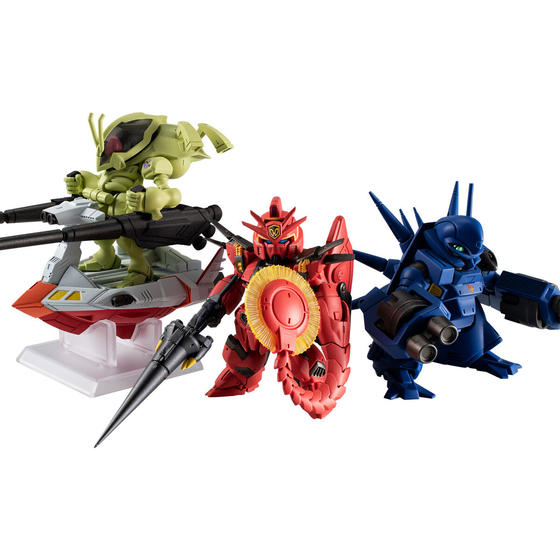
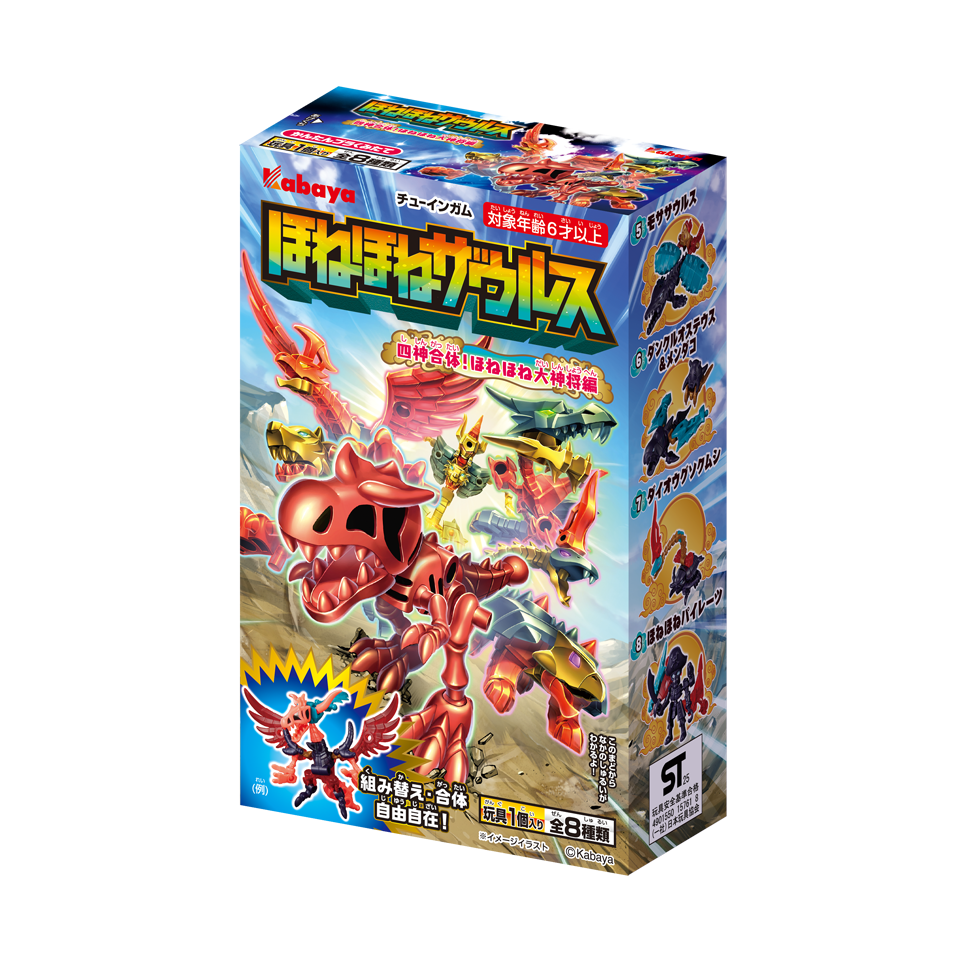
This formula — toy inside food packaging, sold on food shelves, targeted at the intersection of snacking and play — is the blueprint for everything that followed. Furuta's Choco Eggs, Bandai's shokugan figures, Kabaya's model kits with gum. Every candy toy on every convenience store shelf in Japan descends from Ezaki's 1927 decision to put a wooden toy inside a box of caramel. The quality has scaled from carved wood to MoMA-exhibited transforming characters. The principle hasn't changed.
- Shokugan tradition (direct ancestor)
- Kinder Egg / Furuta Choco Egg (spiritual descendants)
- Bandai SMP candy toy model kits (distant evolution)
- Glico Running Man — Dotonbori landmark
Loading...