LaserDisc gave anime creators a premium distribution channel that justified higher production values and niche audiences. When LD died, the economics that sustained the OVA model died with it.
The OVA format did not emerge from creative ambition alone. It was a rational response to a specific technological and economic opportunity: LaserDisc created a market willing to pay premium prices for niche content.
Before home video, anime production faced a binary choice: broadcast on television (massive audience, tight content restrictions, standardized production budgets) or remain theatrical (vanishingly rare for TV-adjacent content). Home video upended this. VCR rentals democratized distribution, but LaserDisc — with its higher price point, superior image quality, and perception as an "enthusiast format" — created a third path. Publishers could charge ¥5,000-8,000 per episode to collectors willing to invest in a format they believed in.
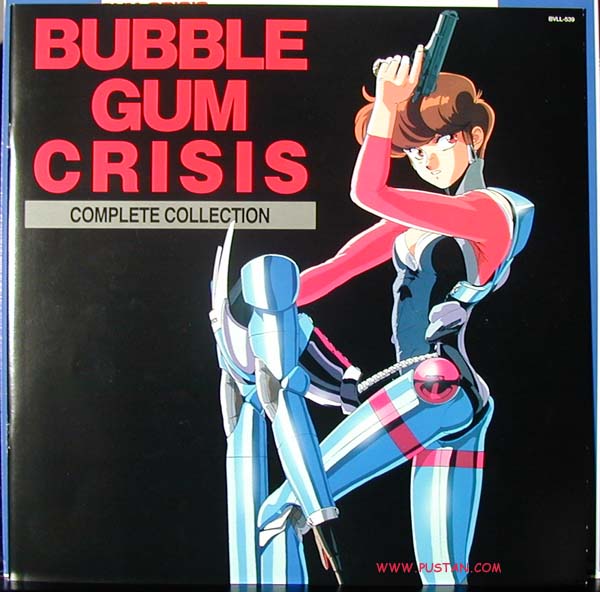
This was not niche by accident. It was niche by design. The economics worked because the audience was small enough to sustain through direct-to-consumer sales, but large enough that anime studios could budget for higher production values than broadcast standards. Series like Bubblegum Crisis and Tenchi Muyo! could commission elaborate mechanical animation, extended running times, and content too experimental for television — because the LD audience would pay for it. The format and the content co-created each other's viability.
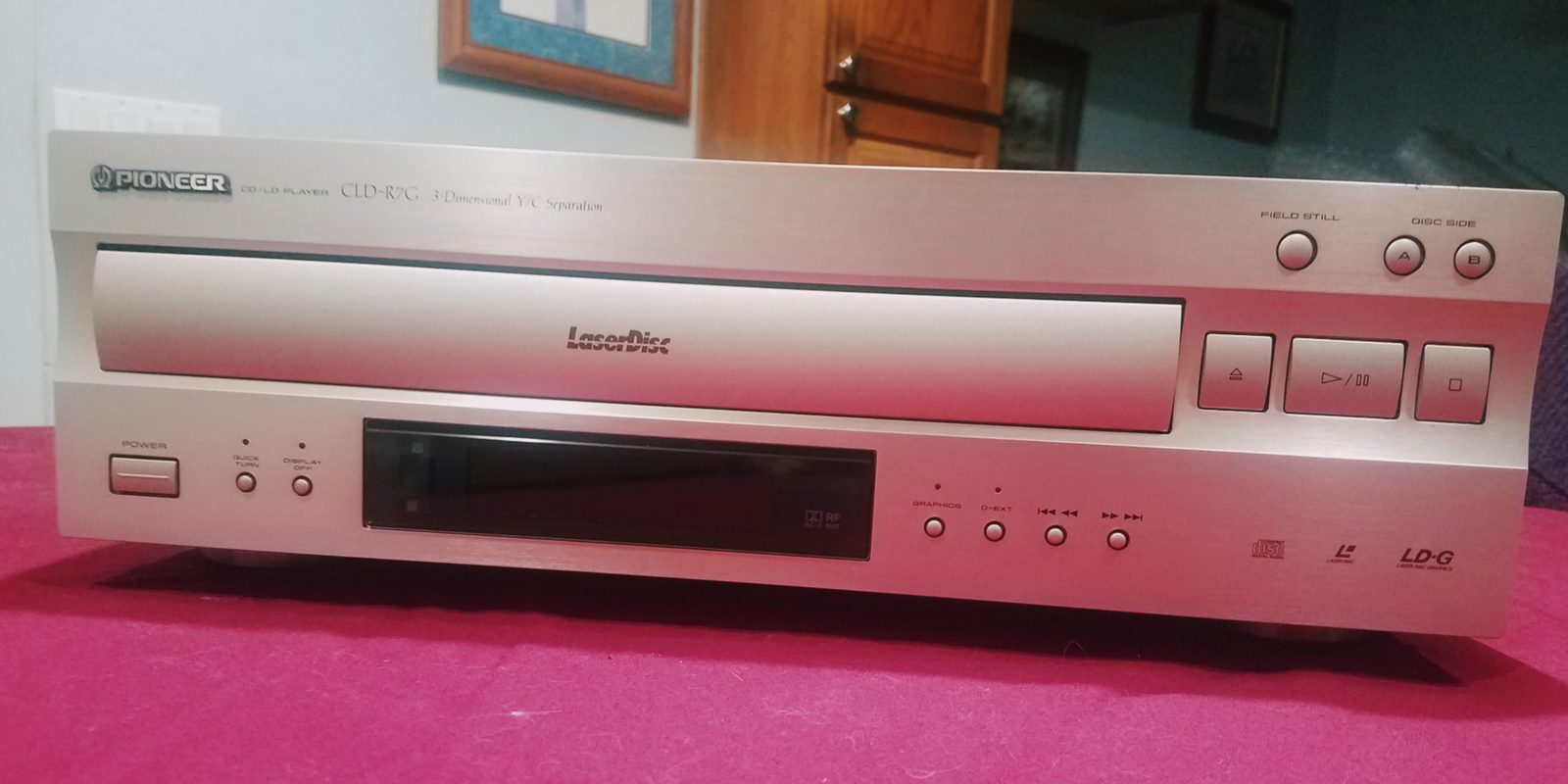
Pioneer LDC exemplified this feedback loop. As a hardware manufacturer, Pioneer had a direct financial stake in LD adoption. Funding prestigious anime titles that would drive hardware sales was not marketing; it was vertical integration. Pioneer didn't just distribute Tenchi Muyo! on LaserDisc — the company funded its production because successful anime meant more LD player sales. This economic model had no parallel in Western media industries.
The system was elegant and fragile.
When DVD arrived in the late 1990s, it offered higher storage density at lower manufacturing cost. LD's premium market collapsed overnight. Pioneer LDC was spun off and eventually sold to Dentsu in 2003, then reconstituted as Geneon Entertainment. The company attempted to continue anime distribution under different economics, but the structural foundation had shifted. DVD enabled mass-market anime distribution at commodity prices. Streaming, a decade later, made even DVD economics obsolete.
The OVA boom — peaking at over 300 titles annually in the early 1990s — was not a creative golden age that naturally faded. It was a market phenomenon tethered to a specific distribution format. When the format died, the OVA model died with it. The anime industry survived and thrived, but the economics that produced niche, budget-unconstrained OVAs aimed at collectors willing to pay premium prices simply no longer existed.
The LaserDisc era demonstrates a hard rule of media economics: distribution format shapes what can be made, and who makes it. Change the format, and you change what's possible.
- Dallos (1983, Bandai) — the first anime released under the OVA designation. The format existed because home video hardware (VCR and LD) created a direct-to-consumer distribution channel that bypassed television broadcast economics.
- Bubblegum Crisis (1987-1991) — 8 OVA episodes released on both VHS and LaserDisc. AnimEigo's LD releases were considered the definitive version. The series could exist because home video buyers were willing to pay ¥5,000-8,000 per episode for content too niche for broadcast.
- Tenchi Muyo! (1992-1993) — Pioneer LDC's flagship OVA title. Pioneer simultaneously manufactured the LD players, distributed the content, and funded the production. This vertical integration — hardware maker funding content for its own format — was unique in media history.
- The OVA market peaked in the early 1990s with over 300 titles per year. By 2000, as DVD replaced LD and streaming emerged, OVA production collapsed. The format that enabled niche, premium, direct-to-consumer anime distribution was gone.
- Pioneer LDC's transition to Geneon Entertainment
- The economics of direct-to-consumer anime distribution
- How streaming changed anime production economics

Loading...