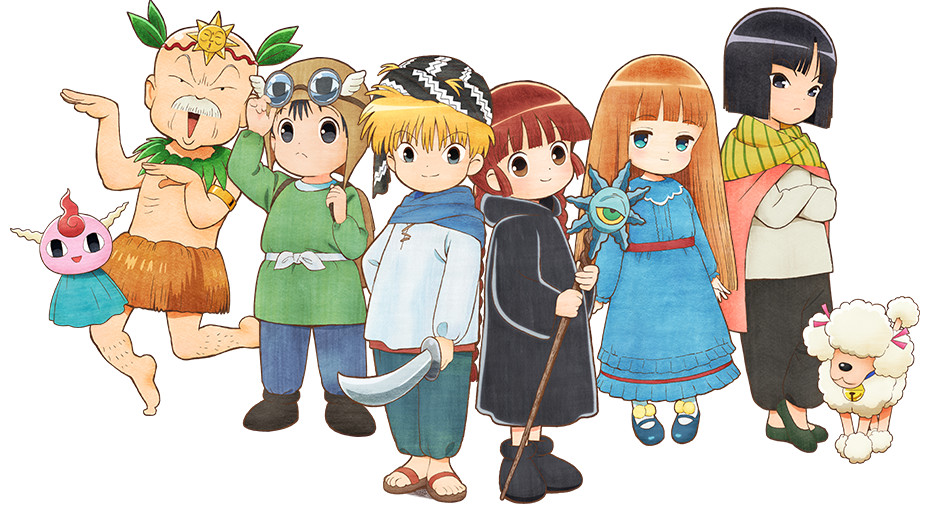
Production I.G adapted the entire manga in twenty-four episodes. The animation switches between cel work and pixel art because the show refuses to choose.
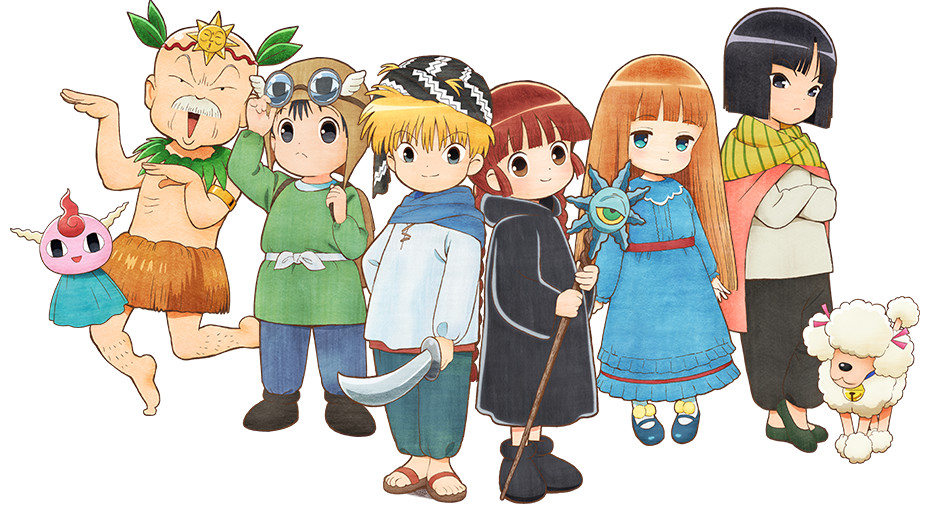
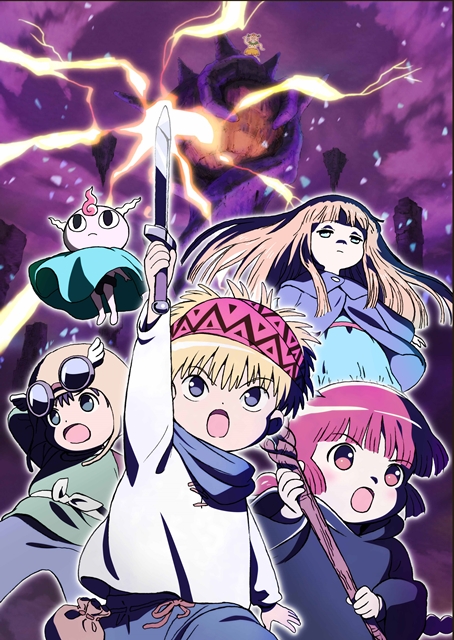 Second key visual — Nike leads the full party against the Demon Lord's shadow
The Numbers
Episodes: 24 (vs 45+38 in earlier adaptations). Studio: Production I.G. Director: Hiroshi Ikehata. First airing: July 11, 2017. Final episode: December 19, 2017. IMDb: 7.4/10. English: Crunchyroll (first official release).
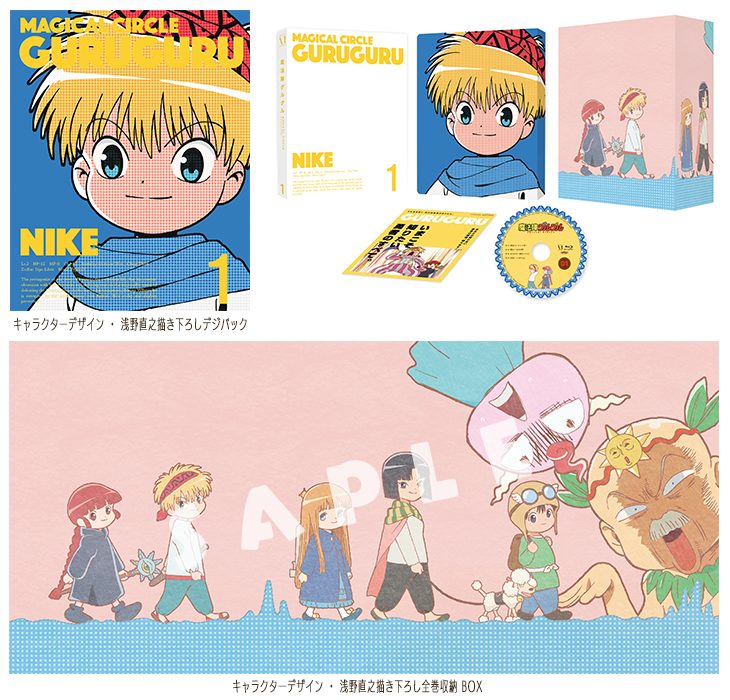 Blu-ray Volume 1 — Naoyuki Asano's digipak and collectible box illustration
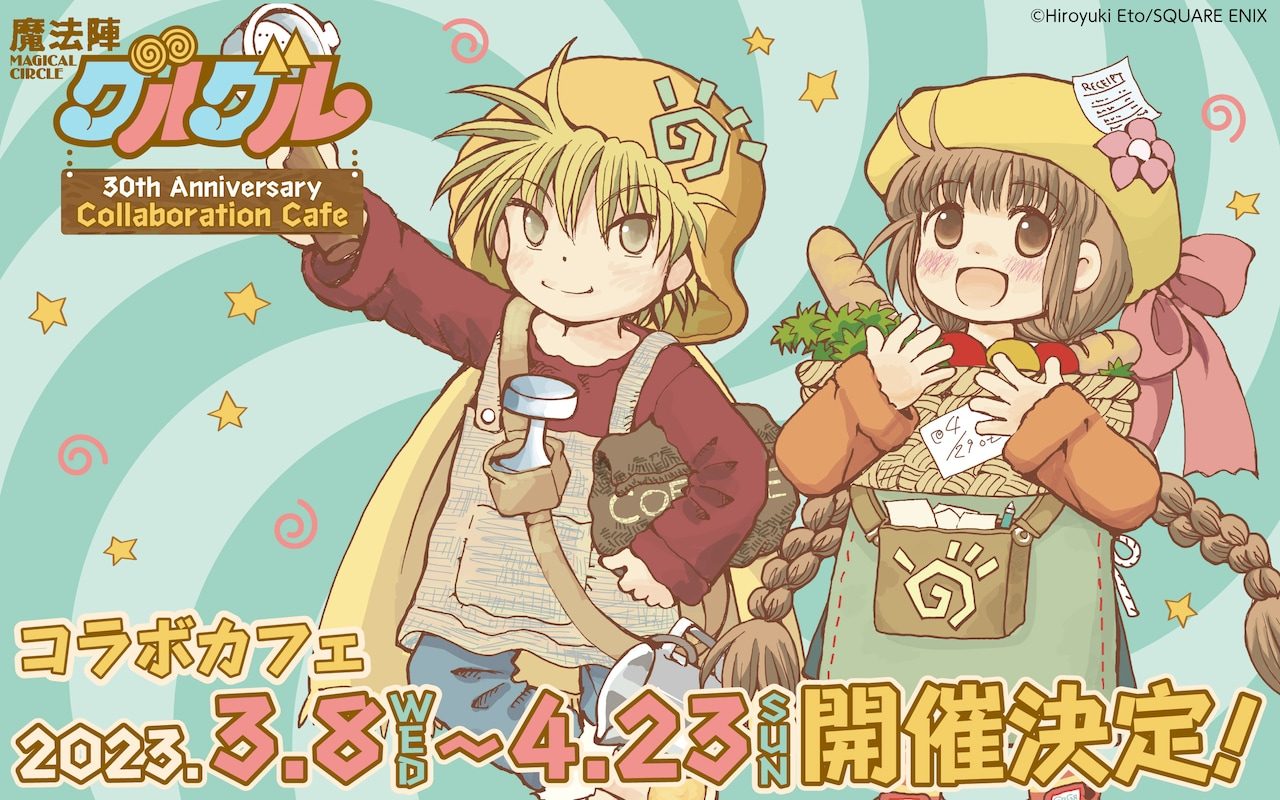
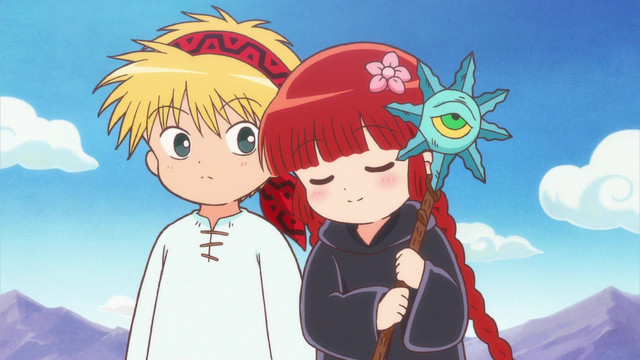 Nike and Kukuri — Asano's character designs in Production I.G's watercolour palette
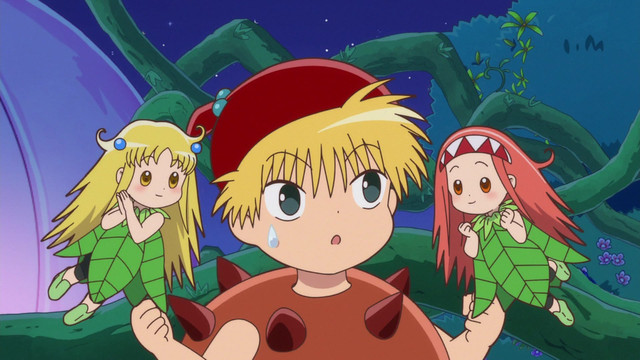 Nike with forest fairies — the comedy timing tightened by twenty-four-episode compression
The previous adaptations couldn't finish. Nippon Animation's 1994 version ran forty-five episodes and stopped partway through the manga. The 2000 sequel, Doki Doki Densetsu, added thirty-eight more and still didn't reach the ending. Eighty-three episodes across two series, and Guru-Guru's story remained incomplete in animated form.
Production I.G adapted the entire manga in twenty-four. The compression is aggressive but legible. Story arcs that occupied three or four episodes in earlier versions condense to one or two. The comedy timing tightens. The emotional beats land harder because they're not surrounded by padding. Hiroshi Ikehata directed with the confidence of someone who knows exactly how much runway he has and wastes none of it.
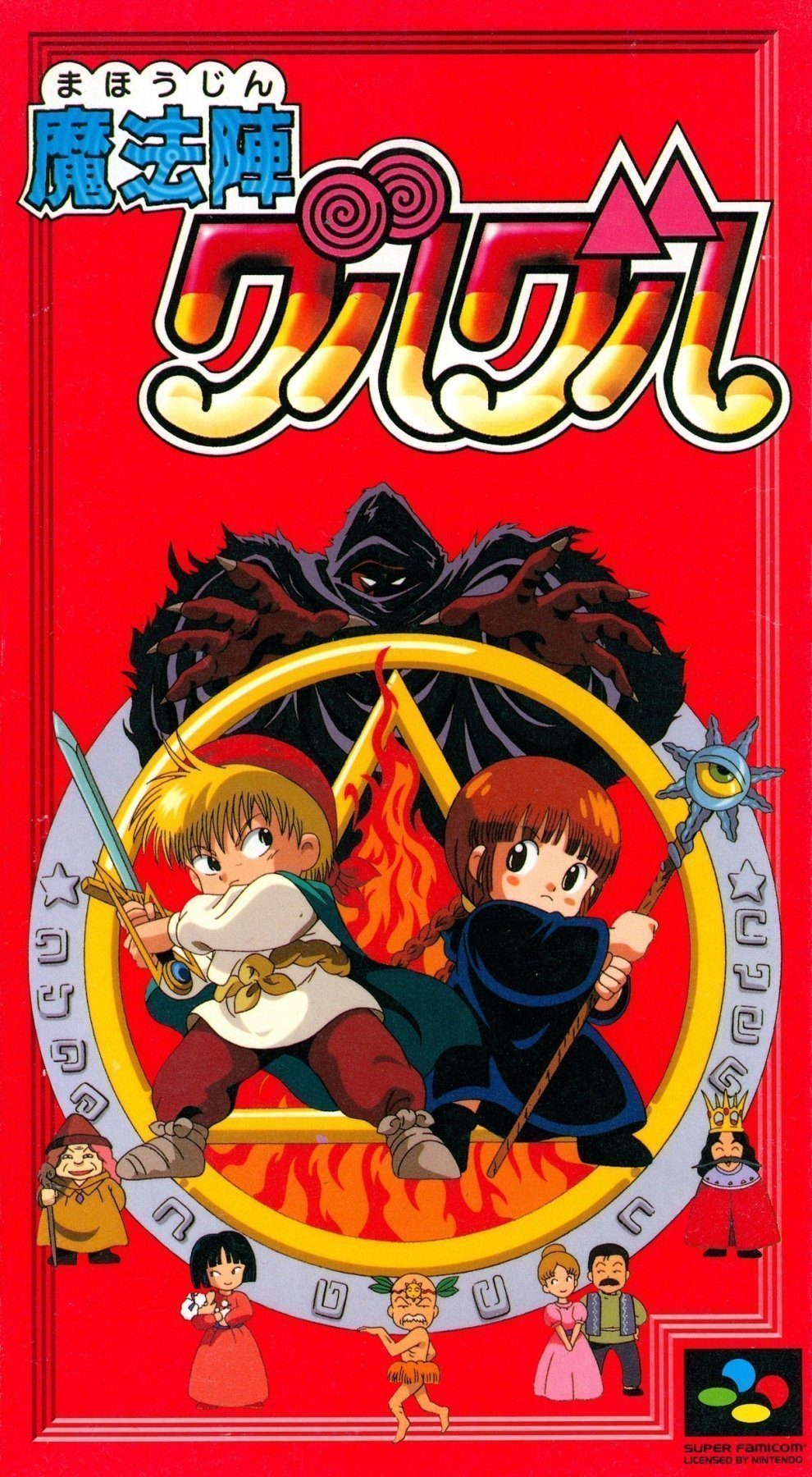
The visual language is the thing that separates this adaptation from a standard anniversary remake. The animation switches between fluid modern work — watercolour-style backgrounds, elastic character animation — and deliberate pixel-art RPG screens. Menu interfaces appear. Stat displays pop up. The visual register shifts as if the show can't decide whether it's an anime or a Super Famicom game, and the answer is that it never intended to choose. The manga always existed between those two languages: manga comedy and JRPG mechanical parody. The 2017 anime found a way to hold both simultaneously.
Crunchyroll picked up the series for simultaneous English release — the first time any Guru-Guru adaptation received official English distribution. For twenty-five years, the franchise had been accessible to Western audiences only through fansubs. The 2017 version arrived on the same platform as Attack on Titan and My Hero Academia, catalogued alongside the largest anime in the world. A 1992 JRPG parody, complete for the first time, streaming in HD next to shows ten times its profile.
Available as six individual Blu-ray volumes through Japanese retailers (AmiAmi, CDJapan) or streaming via Crunchyroll. The pixel art looks better in HD than it has any right to.
- Production I.G studio catalogue (Haikyuu!, Attack on Titan era)
- 1994 and 2000 incomplete anime adaptations (predecessors)
- Crunchyroll streaming — first official English-language access
- 2017 anime remake wave (Devilman Crybaby, Dororo, Fruits Basket)


Loading...