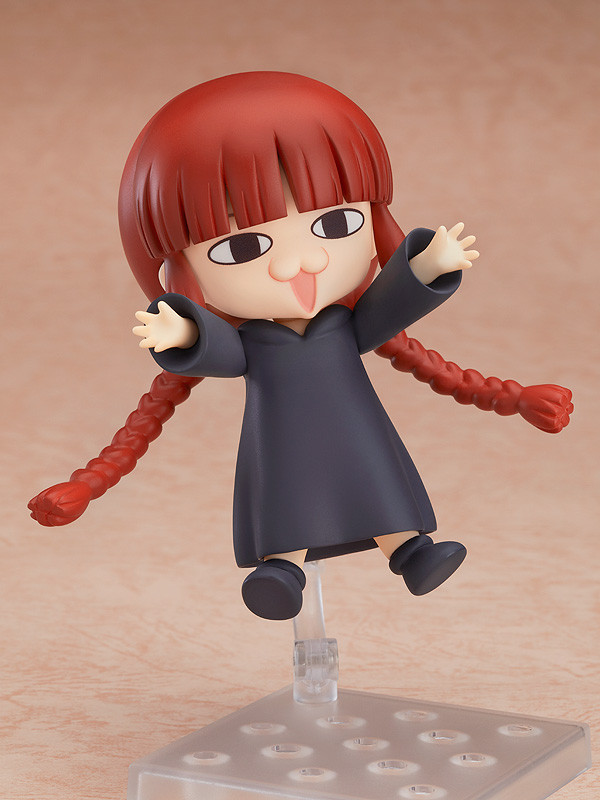
Guru-Guru magic has no fixed spells. The circle is a vessel for the caster's consciousness — the system's failures reveal character psychology, and its climax runs on genuine emotion. The parody produced something more honest than the systems it mocked.
Most manga magic systems are inventories. You learn Spell A, it does Thing A. You level up, you learn Spell B. The system rewards memorisation and escalation. Guru-Guru magic doesn't work like this.
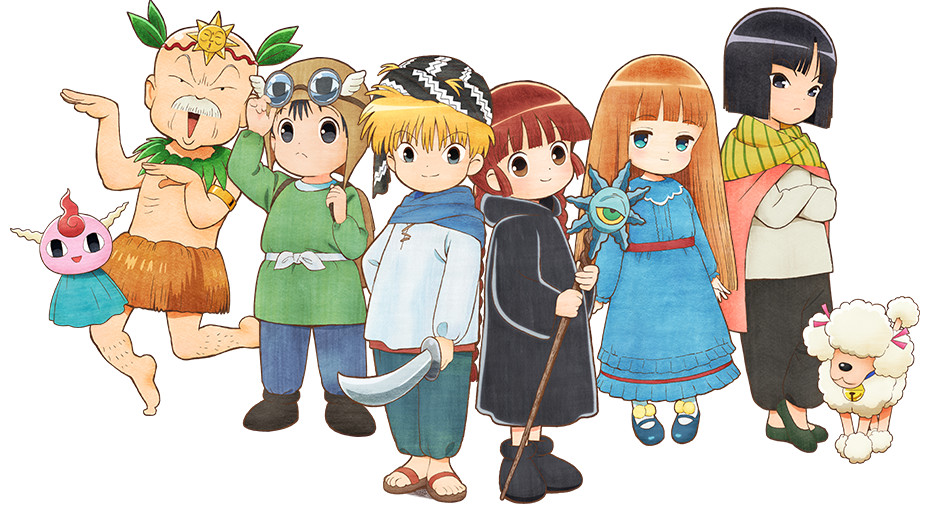
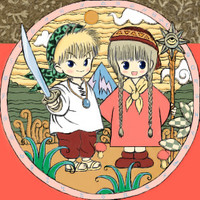
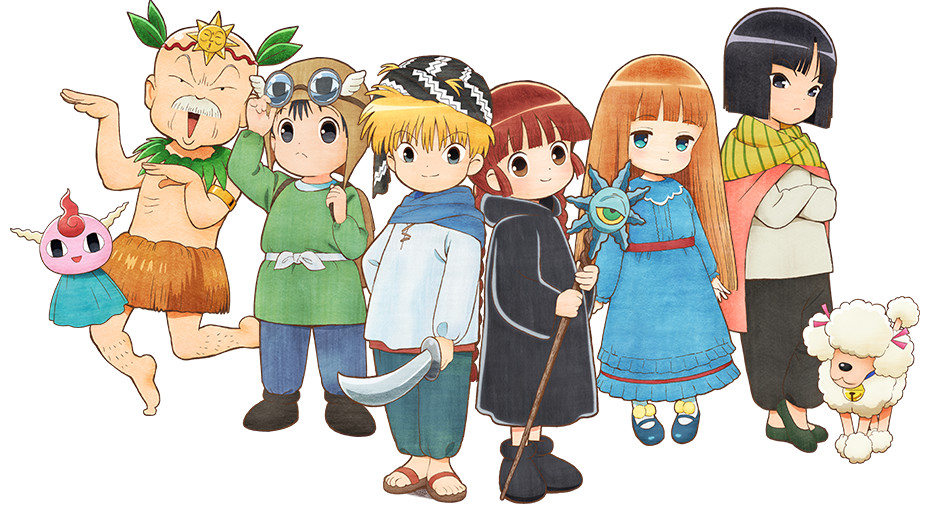
Kukuri — the last surviving member of the Migu Migu tribe — draws geometric circles on the ground with a staff. What emerges depends entirely on her state of mind. There are no fixed spell formulas. No grimoire. The circle is a conduit for consciousness. If Kukuri is frightened, the circle produces something shaped by fear. If she's distracted, the result is incoherent. If she's focused and emotionally clear, the geometry channels her intent precisely. The caster doesn't cast a spell. The caster expresses themselves, and the circle translates.
This means failure in Guru-Guru isn't mechanical — it's psychological. When Kukuri's magic goes wrong, it's because something inside her went wrong first. The misfires are honest. They reveal anxiety, doubt, self-consciousness. In a comedy manga, this produces jokes. In the emotional climax, it produces something else entirely.
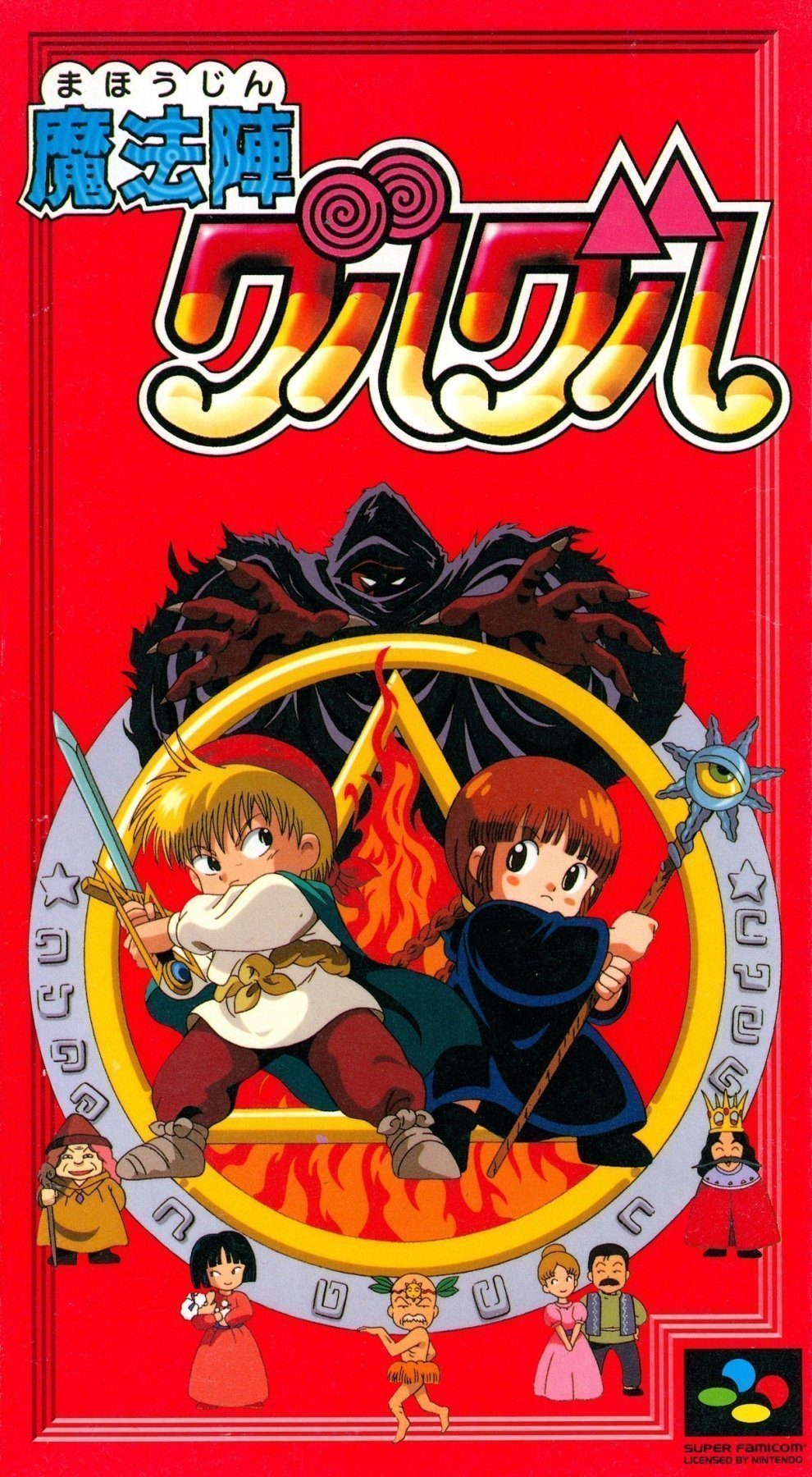
The final spell — "The Heart in Love Guru Guru" — seals the Demon Lord Giri. It isn't powered by accumulated battle experience or a secret technique unlocked at level fifty. It runs on Kukuri's love for Nike. The magic system that spent sixteen volumes producing comedic failures reaches its endpoint through genuine emotion. The punchline lands as sincerity.
No other manga magic system from 1992 worked this way. Fixed spell systems dominated — rote catalogues of named attacks with escalating power levels. Guru-Guru's contribution was to make the caster's internal life the mechanism. The geometry is beautiful. The drawings on the ground look like genuine spell-work. But the system's real architecture is emotional. The circle draws what you are.
Hiromu Arakawa, who worked as Eto's assistant from 1999 to 2000, went on to design Fullmetal Alchemist's transmutation circles — a magic system built around geometric drawings on the ground. The philosophical framework differs. The visual grammar is familiar.
- Kukuri draws a circle meant to summon a protective barrier; her anxiety produces a creature that reflects her fear instead. The magic reads her mind, not her intention.
- The Migu Migu tribe's dark summoning art — an extinct tradition with no remaining teachers. Kukuri learns by drawing, failing, and interpreting her failures.
- 'The Heart in Love Guru Guru' — the final spell that seals the Demon Lord Giri, powered not by combat mastery but by Kukuri's love for Nike. The system's ultimate expression is emotional, not mechanical.
- No spell book exists. No fixed formulas. Each circle is unique to the caster's mental state at the moment of drawing. Two identical geometric patterns produce different results depending on the mind behind them.
- Fullmetal Alchemist transmutation circles (drawn by Eto's former assistant)
- Fate/Stay Night summoning circles
- Isekai magic system conventions (post-2010s)
- Drawing as creative act — connection between artistic practice and magical practice

Loading...