Parody in Japanese fantasy media isn't a dead end — it's a pathway to emotional honesty. Each generation of JRPG comedy strips away one more layer of ironic distance, until Frieren arrives as parody's logical conclusion: a work that takes the tropes completely seriously and finds genuine grief inside them.
The pattern takes thirty years to complete. It starts with a joke about swords and sorcery. It ends with an elf sitting alone in a field, realising she should have paid more attention to the people around her.
Slayers arrives in 1989 as a light novel, animated in 1995. Lina Inverse is a sorceress — not a swordsman, not a cleric, not a chosen one. She's petty, greedy, overpowered, and operates entirely outside the conventions of fantasy heroism. The series mocks every trope it can reach: the wise old mentor, the noble quest, the self-sacrificing hero. It's pure parody, played fast and loud. It becomes one of the most popular anime of the 1990s.
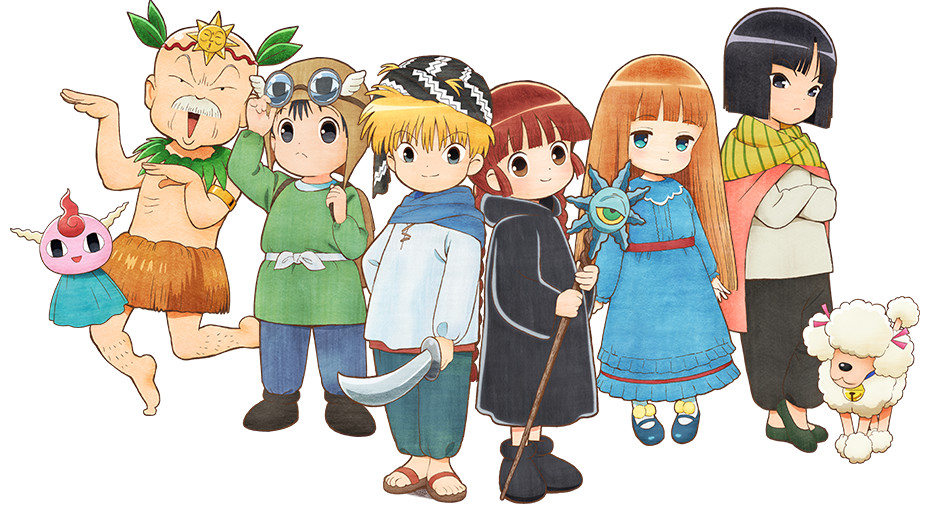
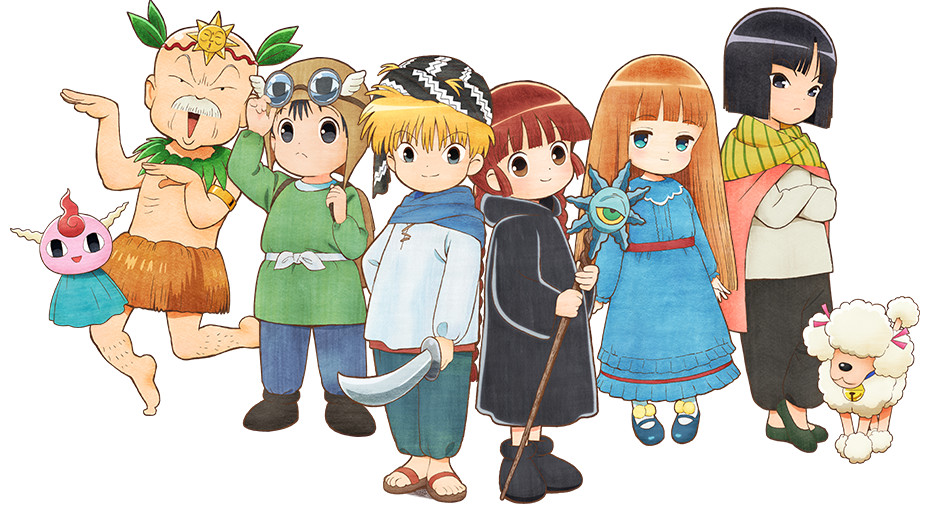
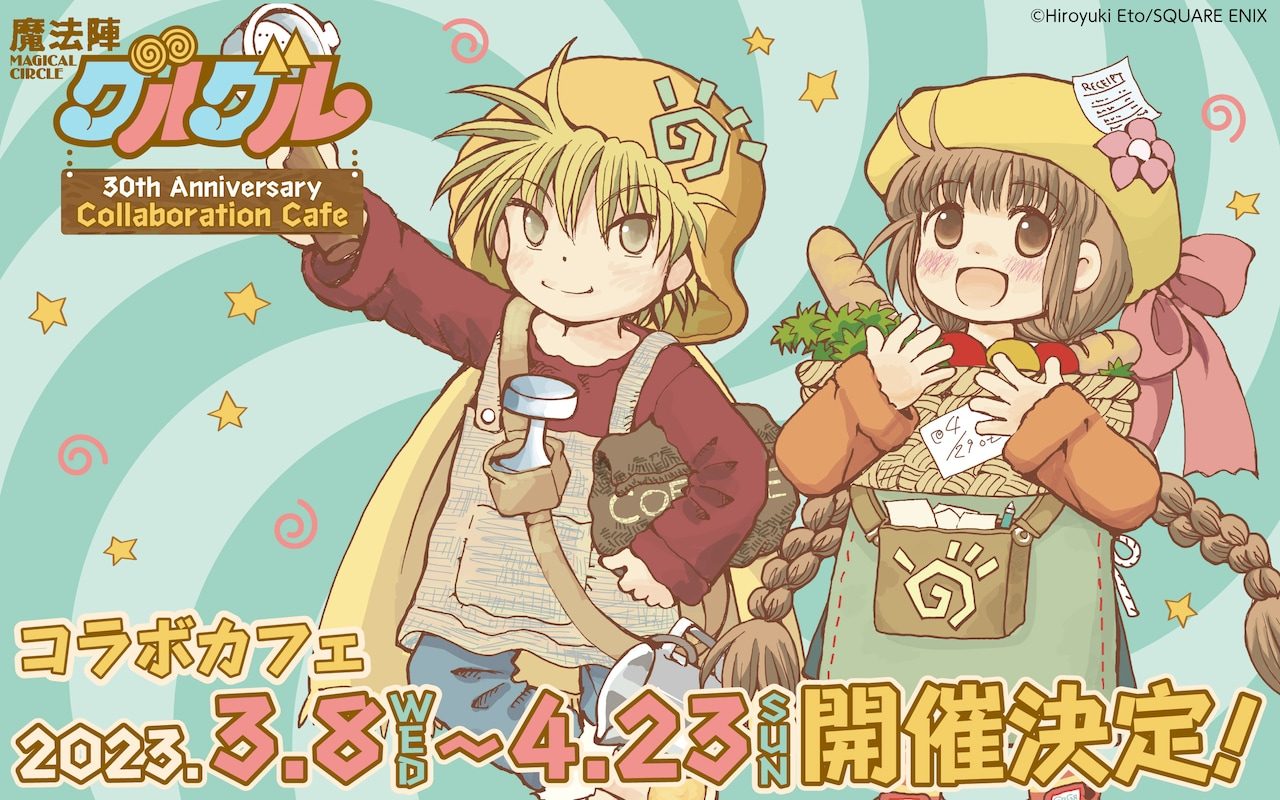
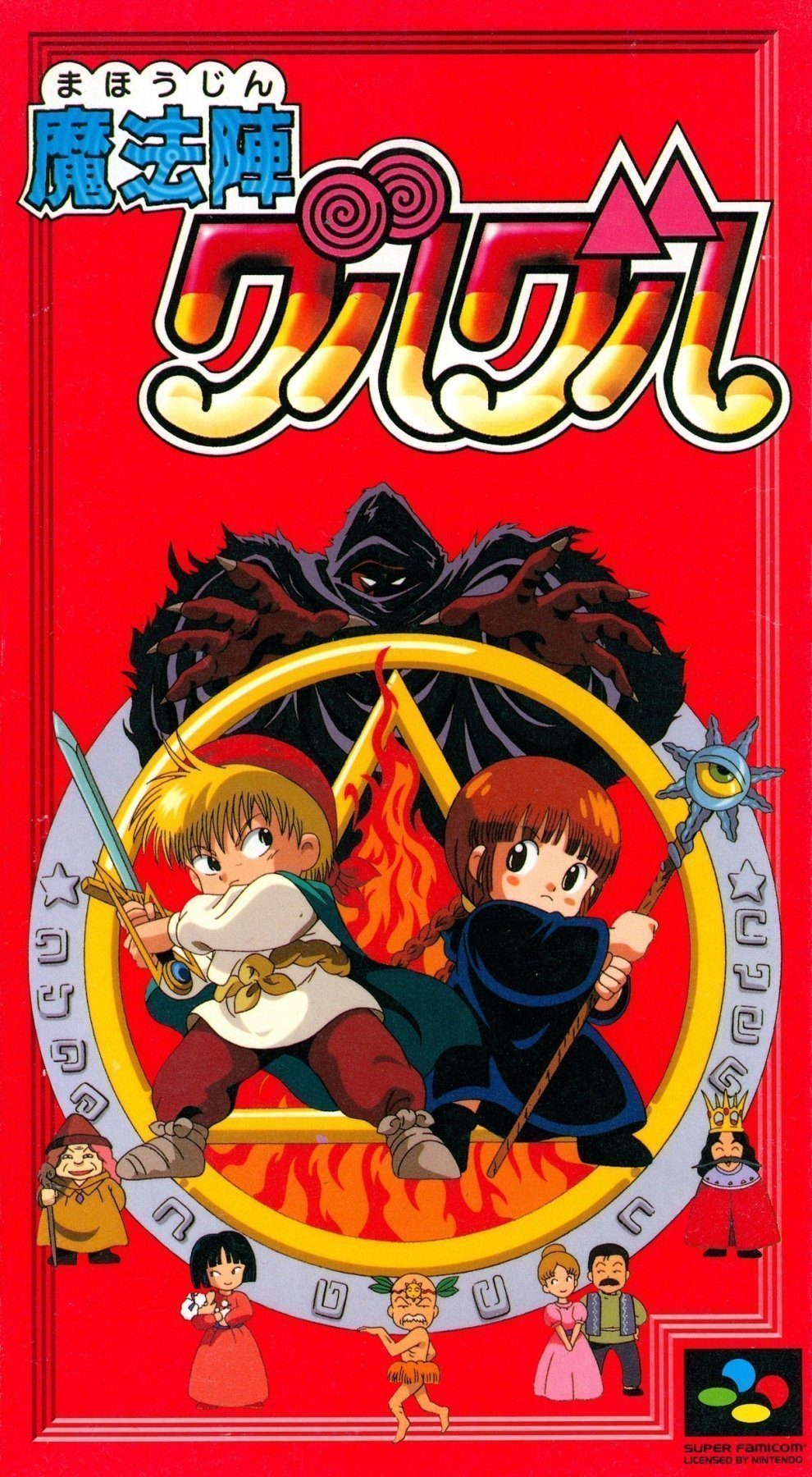
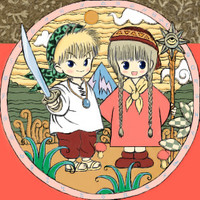
Three years after Slayers' debut, Magical Circle Guru-Guru begins serialisation. Where Slayers parodied fantasy literature, Guru-Guru parodies the specific mechanical language of JRPGs — the level systems, the dungeon progression, the narration boxes, the fetch quests. Nike is dragged into heroism by his parents. Kukuri's magic doesn't work right. The RPG frame is a joke. But the relationship between Nike and Kukuri is not a joke. The comedy manga develops a genuine romance and a magic system that resolves through sincere emotion. The parody cracks open and something warm leaks out.
KonoSuba extends the lineage into the isekai era. Kazuma dies and is reincarnated into a fantasy world — the standard setup — except every party member is functionally broken. Aqua is a goddess who can't do anything useful. Megumin refuses to learn any spell except one explosion per day. Darkness is a tank who can't hit anything. The comedy is constant. But the character development underneath is real. Emotional bonds form. Growth happens. The parody provides permission to feel things sincerely by framing them as jokes first.
Then Frieren arrives, and the distance between parody and sincerity collapses to zero. The demon lord is already dead. The hero's party already won. The quest is over. Frieren — an elf who will live for millennia — watches her human companions age and die, and slowly understands what their brief shared adventure meant. Every convention the previous series mocked — the party, the quest, the victory — Frieren takes completely seriously and finds genuine grief inside.
The trajectory is clear. Slayers laughs at the form. Guru-Guru laughs at the form while quietly loving it. KonoSuba laughs while crying. Frieren stops laughing entirely and lets the form speak. Each generation strips away one layer of ironic distance. The joke isn't abandoned. It's completed.
- Slayers (1989 light novel, 1995 anime) — Lina Inverse is a sorceress who subverts the male-hero-with-sword convention. Pure parody energy, played for comedy. One of the most popular series of the 1990s.
- Magical Circle Guru-Guru (1992 manga) — Parodies Dragon Quest mechanics (turn-based combat, level grinding, dungeon crawling) while building a genuine romance and a magic system that runs on love.
- KonoSuba (2013 light novel, 2016 anime) — Explicit isekai parody. Kazuma is selfish, Aqua is useless, Megumin casts one spell per day. But the character development is real. The emotional bonds are sincere.
- Frieren: Beyond Journey's End (2020 manga, 2023 anime) — The demon lord is already dead. The party already won. Frieren is an elf who outlives her companions and slowly learns what she lost. Zero comedy framing. Maximum emotional weight. Built entirely on the conventions the others parodied.
- Dragon Quest as the original JRPG template
- Isekai boom (2010s-2020s) as parody fuel
- The 2017 remake wave (nostalgia as industry strategy)
- Indie games that celebrate abandoned JRPG mechanics (Lunacid, Dread Delusion)

Loading...